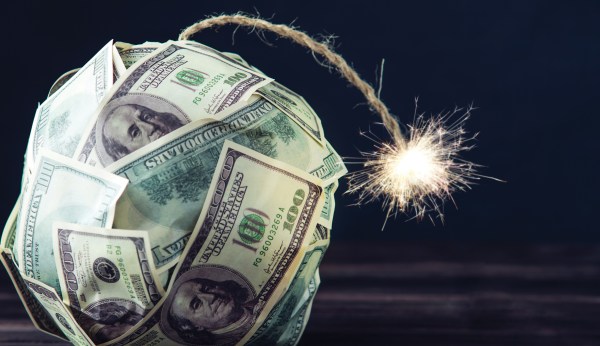
Former President Barack Obama rode into the White House in 2009 with historic potential, having won a landslide victory over a Republican legend and a Senate supermajority. But Obama squandered his opportunity to restore hope to a nation beset by cynicism after Iraq and the 2008 financial crisis by refusing to prosecute top executives of the financial firms responsible. His continuation and expansion of the Troubled Asset Relief Program, an implicit acknowledgement that some entities had indeed become “too big to fail,” eroded public trust even further.
Obama, a singularly gifted politician, maintained enough support among Democrats to score a few legislative achievements and win reelection by a slimmer margin. But his presidency was marred by populist revolts, the tea party on his right and the Occupy movement on his left, and he never fulfilled the “hope and change” promise that fueled his extraordinary political rise. It’s worth wondering how different it might have been if not for his administration’s original sin of bailing out the banks who’d brought the economy to the brink.