

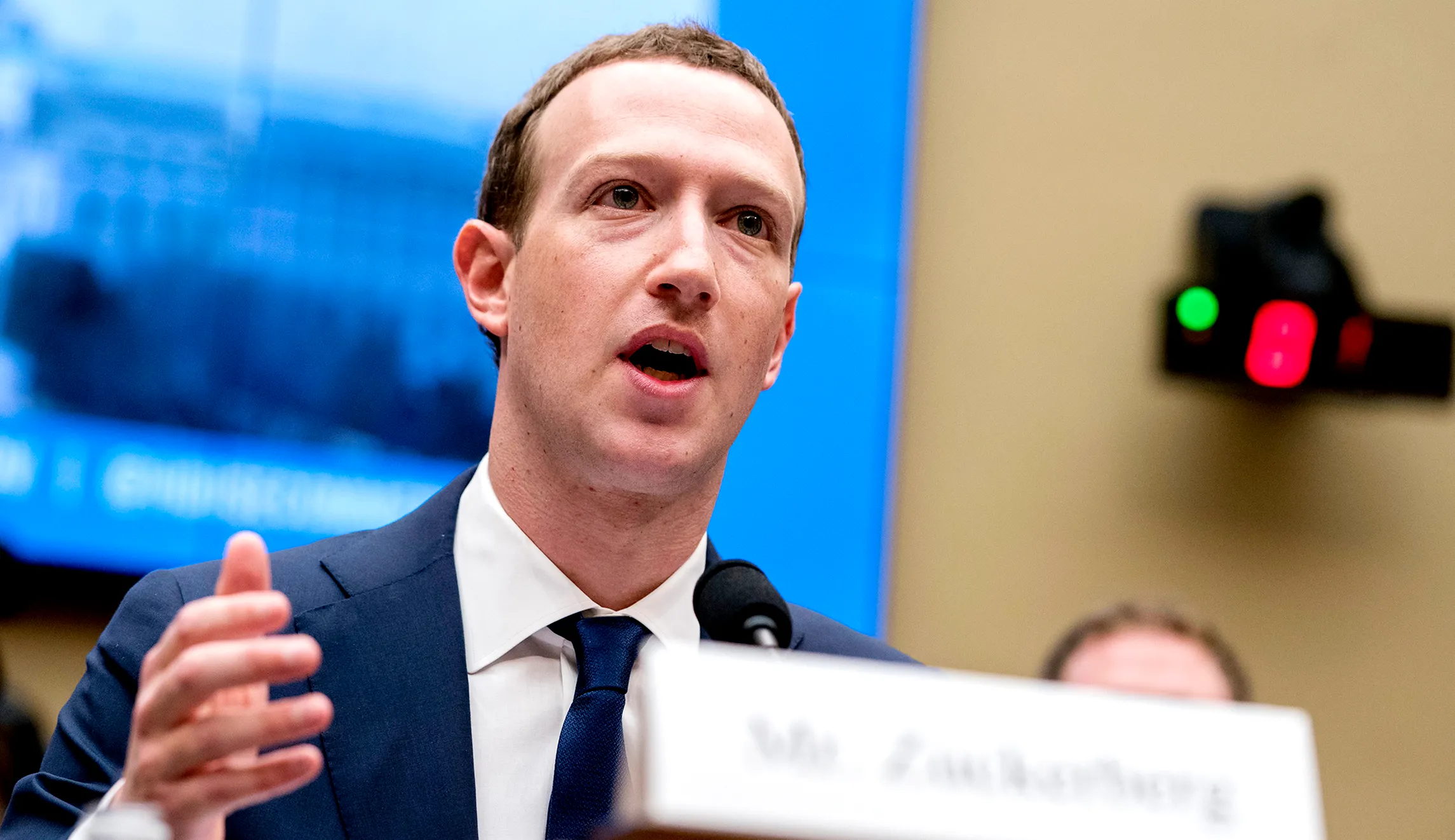
Facebook is building a “war room” to handle election interference attempts as founder Mark Zuckerberg works to prevent a recurrence of 2016, when Russian agents used the social media platform to influence and inflame American voters.
The command center, at the company’s Menlo Park, Calif., headquarters, will enable executives to assess threats, evaluate data, and “make real-time decisions as needed,” Samidh Chakrabarti, the company’s director of elections and civic engagement, said Wednesday.
Recommended Stories


Already, Facebook is blocking millions of fake accounts a day and disabled a total of 1.3 billion between October 2017 and March, he said. That mirrors efforts at Twitter and Google’s YouTube, which are under a spotlight with midterm elections less than 50 days away in the U.S., and reported taking down large numbers of malicious posts and accounts in a congressional hearing earlier this year.
“Preventing election interference on Facebook has been one of the biggest cross-team efforts the company has seen,” Chakrabarti said. “We’re bringing the same level of intensity and effort to this problem as we did the transition from desktop to mobile,” a crucial move for media and technology companies alike over the past decade.
Industry-wide, companies are monitoring their services closely to prevent false articles and posts like those intelligence agencies say were employed in the presidential race between President Trump and his Democratic rival, Hillary Clinton.
The social media firms have all built algorithms and hired staff to filter out false content, an effort which has generated concern from Republican lawmakers and conservative activists that their opinions are being targeted.
Missteps such as Facebook’s seeming unsafe content from Diamond and Silk, the video-blogging Trump supporters whose real names are Lynette Hardaway and Rochelle Richardson, and Twitter’s temporary lock on conservative commentator Candace Owens’ account after she remarked on old posts by a New York Times columnist only heightened that perception.
In addition, Facebook has grappled with fallout from its disclosure that a Trump campaign consultant, Cambridge Analytica, improperly gained access to information on 87 million of its users. In the aftermath, Zuckerberg testified before two congressional committees, promising to better protect user information.
Those efforts, combined with Europe’s new General Data Protection Regulation that requires companies to tell users how their data is being shared and obtain their consent beforehand, weighed on audience development in the three months through June, Zuckerberg said.
“We’re investing so much in security that it will significantly impact our profitability,” Zuckerberg, who’s also Facebook’s chief executive officer, said on an earnings call this summer.
