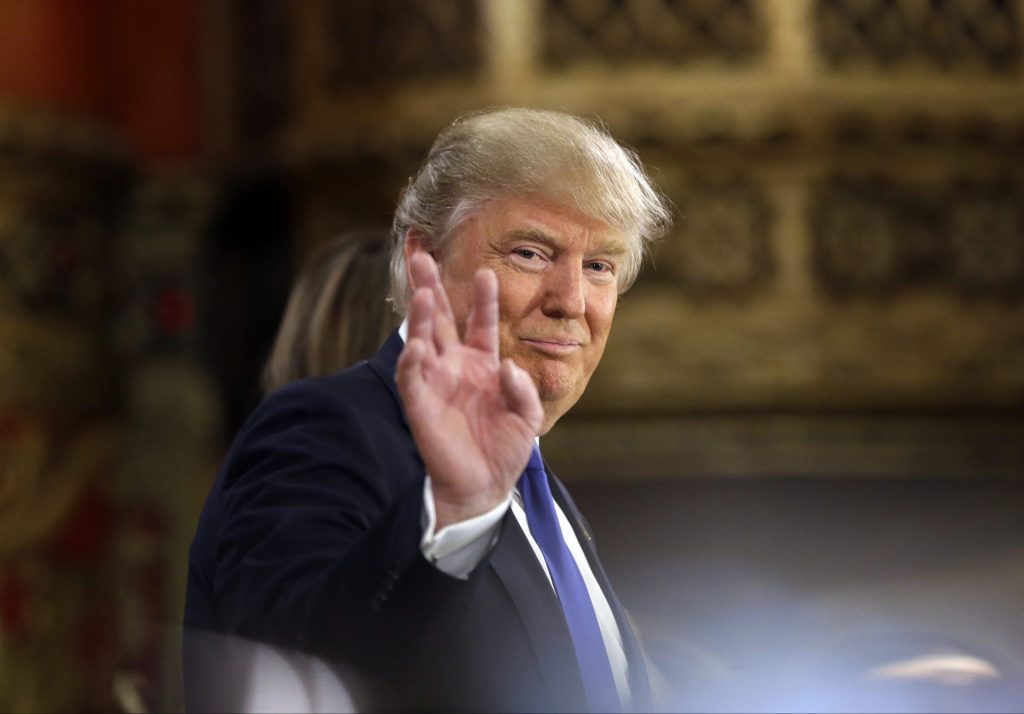
The fifth batch of internal Twitter documents released by allies of Elon Musk, dubbed the “Twitter Files,” details Twitter employees’ thoughts on the day the platform decided to suspend then-President Donald Trump permanently.
While most Twitter employees voiced opposition to leaving the president on the platform in the wake of the Jan. 6 protests, the team struggled to find a tweet to justify a ban, according to screenshots released by former New York Times journalist Bari Weiss. It wasn’t until executives pushed for moderators to seek out “coded” language in his tweets that the company justified its decision to ban Trump.
MUSK’S BUSY WEEKEND: TWITTER FILES, FAUCI PROSECUTION AND CHAPELLE BOOING
“Ultimately, the concerns about Twitter’s efforts to censor news about Hunter Biden’s laptop, block disfavored views, and ban a president aren’t about the past choices of executives in a social media company,” Weiss said. “They’re about the power of a handful of people at a private company to influence public discourse and democracy.”
THREAD: THE TWITTER FILES PART FIVE.
THE REMOVAL OF TRUMP FROM TWITTER.
— Bari Weiss (@bariweiss) December 12, 2022
Trump sent two tweets out on Jan. 8, one claiming that 75 million “American Patriots” will have a “Giant Voice” that will not be disrespected and a second confirming that he would not appear at Joe Biden’s inauguration. Twitter’s team of moderators did not find anything within them that clearly and directly encouraged voters to repeat Jan. 6.
While hundreds of employees called for Twitter executives to ban Trump in an open letter, the team that reviewed content said the two tweets in question were not enough to justify a ban.
Twitter executives quickly stepped in.
“The biggest question is whether a tweet this morning, from Trump, which isn’t a rule violation on its face, is being used as coded incitement to further violence,” Vijaya Gadde, Twitter’s former head of policy, said in a Slack message.
26. Less than 90 minutes after Twitter employees had determined that Trump’s tweets were not in violation of Twitter policy, Vijaya Gadde—Twitter’s Head of Legal, Policy, and Trust—asked whether it could, in fact, be “coded incitement to further violence.” pic.twitter.com/llJRMfpOPi
— Bari Weiss (@bariweiss) December 12, 2022
Moderators quickly moved to “get reactions on the language contained in the tweet” from fellow staffers. The team responded after a quick survey and argued that Trump’s first tweet could be interpreted as glorifying violence if the reader interpreted “American Patriots” as a reference to the Jan. 6 rioters. Select employees interpreted Trump as the “leader of a terrorist group,” comparable to the 2019 Christchurch shootings, in which a young man killed dozens at two mosques in New Zealand.
Twitter executives organized a 30-minute all-staff meeting hours after the initial conversations, in which Gadde and former Twitter CEO Jack Dorsey attempted to address employee concerns about why Trump wasn’t banned yet. The meeting was not well received.
An hour later, Twitter announced that it was permanently suspending Trump “due to the risk of further incitement of violence.” The decision was well received by staff, although others used the change in policy to push for a more aggressive approach to moderating “medical misinformation.”
CLICK HERE TO READ MORE FROM THE WASHINGTON EXAMINER
Weiss’s release is the final drop in a series of reports on Twitter’s handling of Trump’s ban. Fellow journalist Matt Taibbi and author Michael Shellenberger released the first two drops, detailing the company’s effort to quell misinformation during the 2020 election and the company’s response to the Jan. 6 protests.
The releases were preceded by threads documenting Twitter’s handling of the New York Post’s Hunter Biden laptop report as well as Twitter’s blacklisting practices.