Conservative criminal justice reformers urge Congress to act

In a conference call Thursday, conservative leaders urged Congress to act on criminal justice reform in 2016. The call took place a few days after Politico published a story about a small group of conservative senators who are leading an effort to block reform.

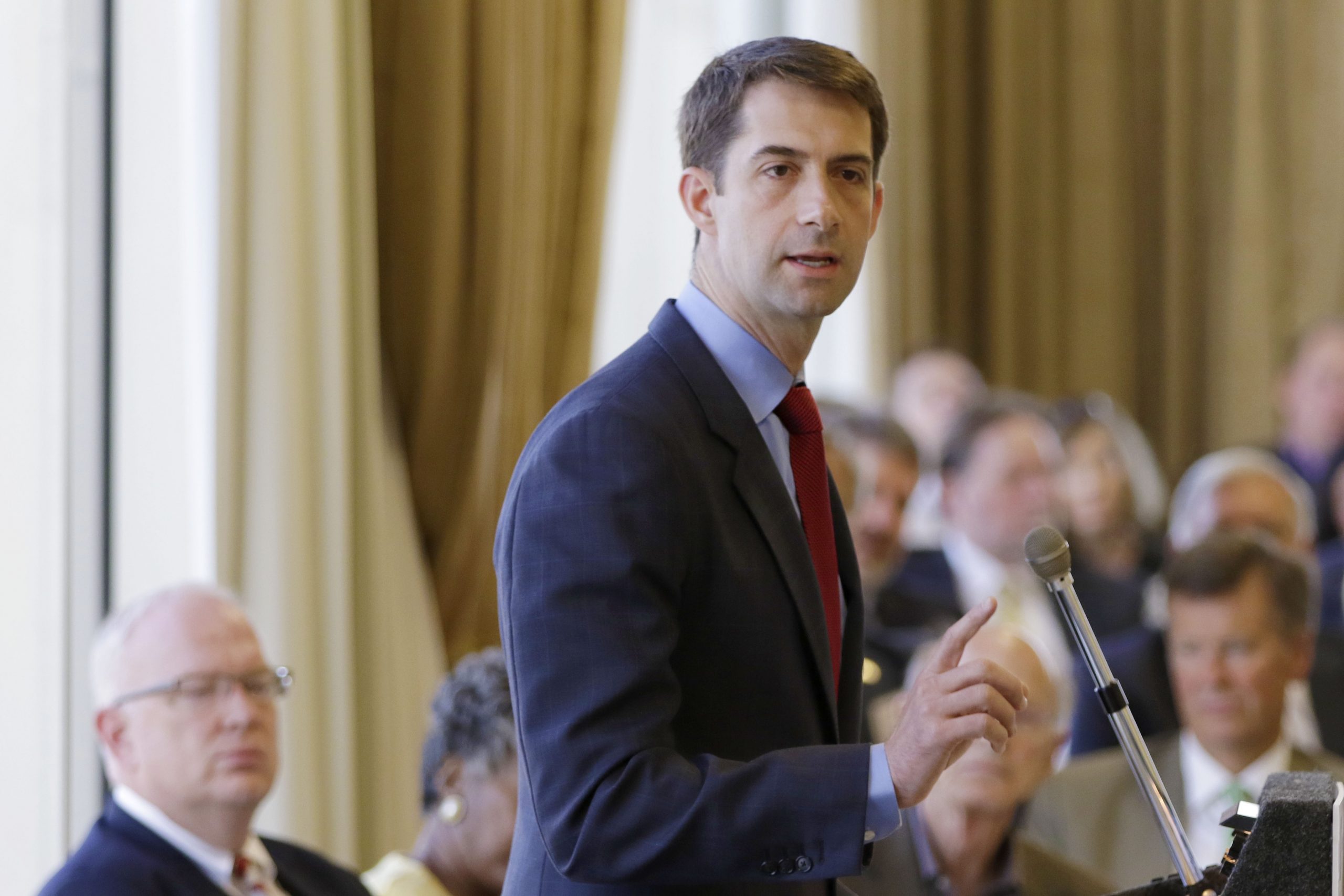
According to Politico, Sen. Tom Cotton, R-Ark., and a handful of other Republican senators claim that the Sentencing Reform and Corrections Act would free thousands of violent felons and threaten the Republican Party’s tough-on-crime reputation. The bill was introduced in the Senate on Oct. 1 and approved by the Judiciary Committee on Oct. 22, 2015.

But reform advocates insist that isn’t true. Jason Pye, communications director at FreedomWorks, said in the call, “We have come too far to allow a few uninformed senators to sink a smart piece of justice reform legislation in the name of partisanship.”

The legislation would do several things, including reduce federal mandatory minimum drug and gun sentences, expand the federal “safety valve” exception for drug mandatory minimum sentences and give many federal prisoners the opportunity to earn time credits for completing rehabilitative programs while in prison.

Call participants stressed that conservatives have led the way in enacting reforms at the state level, so it is natural for them to be out in front on the federal level too. “As we have learned from a decade of success, sentencing reform works,” Grover Norquist, president of Americans for Tax Reform, said. “The package being considered by the Senate is meant to implement the lessons of states like Georgia and Texas, who have seen historic crime rate reductions.” Norquist said he would encourage senators to “look to the red states which have pioneered these reforms.”

At first glance, it might seem odd that conservatives are leading the way in reforming America’s criminal justice system. Conservative lawmakers championed the “tough on crime” ethos that predominated in the 1980s and 1990s. But many conservatives have evolved to embrace a “smart on crime” approach that balances public safety with ethical and budgetary concerns.

Marc Levin, policy director for Right on Crime, a coalition of conservatives pushing for reforms, remarked that many of the reforms have come in “traditionally ‘tough on crime’ states.” Those states include Texas, Georgia, South Carolina and Utah.

Timothy Head, executive director of the Faith & Freedom Coalition, said reform efforts have “proven to safely reduce jail and prison populations, cut wasteful government spending, reduce recidivism and promote strong families by removing barriers for those re-entering society.”

America’s criminal justice system offers something for everyone on the conservative/libertarian ideological spectrum to loathe. For those concerned about ever-encroaching government, the federal criminal code has risen from 3,000 to 5,000 crimes in a generation. For those worried about the federal budget, America’s 2.3 million inmates cost taxpayers $80 billion a year. For those concerned about the ethical effects of warehousing so many people, there’s the fact that half of the federal prison population have mental health or substance abuse problems, and that just locking them up is no solution.

Most conservatives recognize that a smarter, more nuanced approach to criminal justice is needed — one that stresses incarceration for the truly dangerous and rehabilitation and treatment for the vast majority of offenders.

The call was organized by the U.S. Justice Action Network, the country’s largest bipartisan organization pushing to reform the criminal justice system, and led by its executive director, Holly Harris.

Daniel Allott is deputy commentary editor for the Washington Examiner

Related Content
