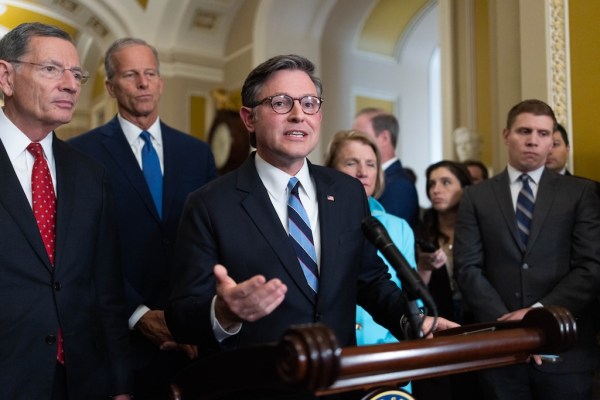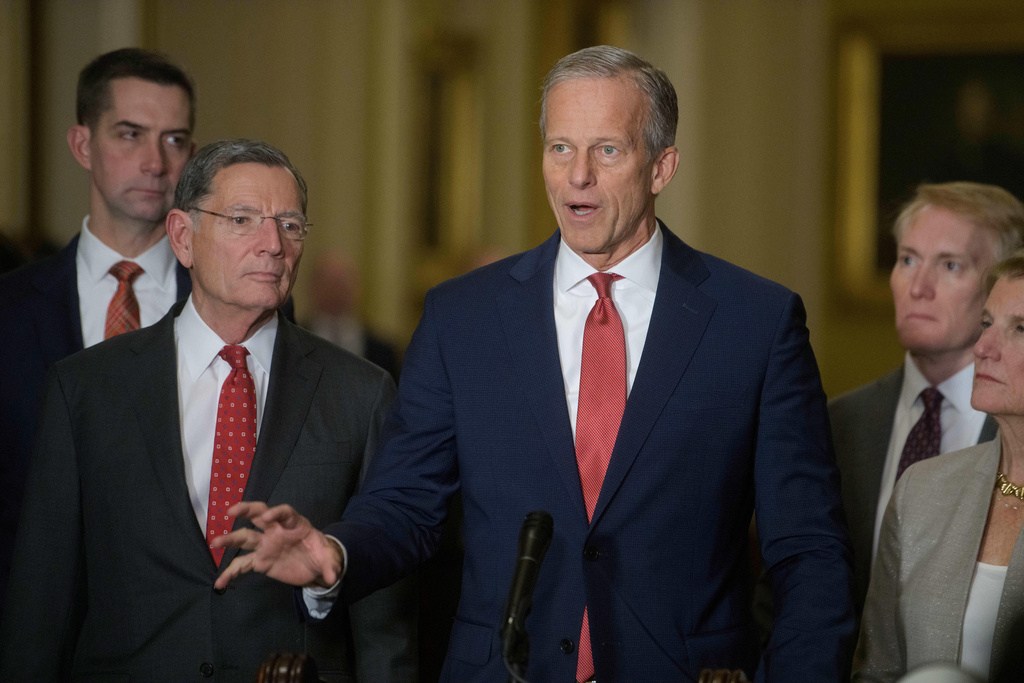
The Senate is set to vote on dueling healthcare proposals, neither of which is expected to get 50 votes, let alone the 60 necessary to defeat a filibuster and advance legislation to the House of Representatives. While the anticipated failure of the bills may seem an exercise in futility, it is actually a necessary first step to establishing baseline negotiating positions to keep the government from shutting down, yet again, at the end of January.
Washington is barely a month past surviving the longest shutdown in federal government history, and the unfortunate reality is that Congress is barreling toward the next funding deadline set for Jan. 31. The underlying issue that caused the last shutdown, the expiring COVID-19-era Affordable Care Act subsidies, has not been resolved and after favorable results for Democrats in this November’s elections, there is no reason to believe the party will not shut down the government again unless it gets what it wants. It should not get that, however.