AI should be a first-tier public policy issue

In the current discourse on artificial intelligence, the interplay between expected consequences and understanding of social impacts demands a rigorous reinterpretation.

The former is the well-known, short-term impact of an automation technology: While it is pretty much certain that at some point AI will bring about new innovations and eliminate entire categories of problems faced by humanity, suffice it to say that at the moment, it is still an automation tool.

Like with all general-purpose technologies, in a first sequence, AI is already affecting employment — junior roles are being replaced, weakening intergenerational training and reducing opportunities for skill transmission within professions. As this new technology dramatically lowers costs, there is a clear path for higher corporate margins, hence the frothy stock market despite a more muted general macroeconomic environment, but no clear short-term mechanism to manage the transition for most people, notwithstanding reskilling and training.

AI AND THE DEATH OF MACROECONOMICS AS WE KNEW IT

It feels similar to when the United States accepted China into the World Trade Organization or signed the North American Free Trade Agreement: Costs went down, but the disruption was real. Over the short term, AI might have a comparable impact for the average U.S. citizen.

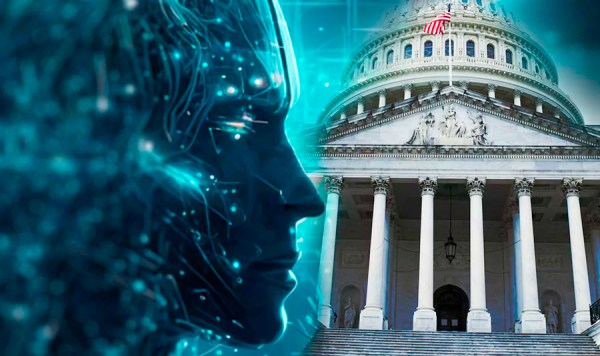
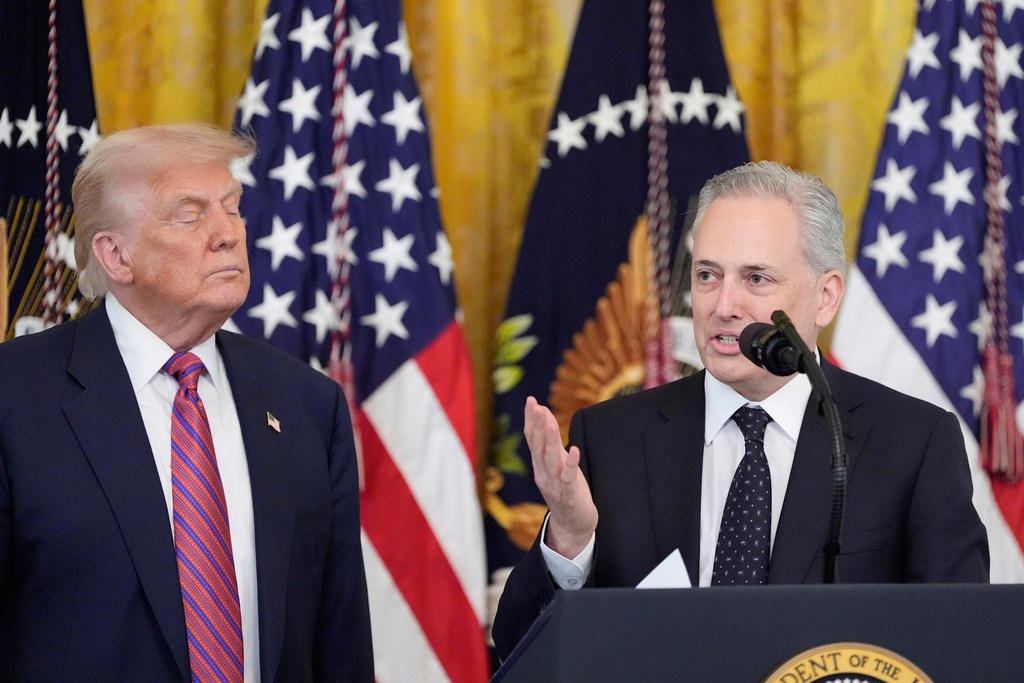
When it comes to public policies, AI is indeed all over the news, as the Trump administration is pushing an ambitious Promethean agenda and a form of techno-nationalism inspired by China but more private-market-oriented. With the exception of the Genesis Mission, modest in funding, the AI revolution is essentially funded by the private sector, Silicon Valley upstarts, Big Tech, and Wall Street.

Yet regulatory frameworks lag behind technological deployment. This is perfectly understandable for a pro-business administration that wants to unravel excessive regulation and free innovators from any form of shackles. Nevertheless, the essence of my complaint here is the lack of understanding from policymakers and institutions regarding this technology’s economic impact. Few have understood the sheer complexity of the transition regime we are entering into.

The default pathway of this technology is to automate inefficient tasks and processes, and part of the workforce will struggle to define their lives and careers, even in an abundant scenario. The issue is not so much to decide what they will do with their lives if our world is radically transformed by AI in 10 years, but how to manage the current hiatus. Young unemployed graduates overburdened by student loans, knowledge workers becoming irrelevant, career paths all of a sudden disrupted — even if politicians ignore these problems, voters will make sure they remember them. I expect AI to become an issue during the midterm campaign, and it could be the main theme in 2028.

AI IS REDEFINING NATIONAL POWER AND SOVEREIGNTY

AI is not yet a first-tier public policy issue, even as everything in our society will be radically recalibrated around this technology. I expect the debate about immigration to reconstitute around AI: Low-cost workers will contribute less to our economy with cheap, abundant intelligence and robotics. I expect the debate about pensions and entitlements to take another turn with the massive wealth accrued by the upcoming technological and longevity revolution that will extend careers by decades.

As the edifice of established paradigms begins to fracture under the weight of AI, it becomes imperative to interrogate governments and administrations. Winning the AI race against China is one thing. But winning the race for all Americans is no less important, and an altogether underdiscussed issue.

Sebastien Laye is an economist and AI entrepreneur.

Related Content