
Centene reports third-quarter profits despite Obamacare changes

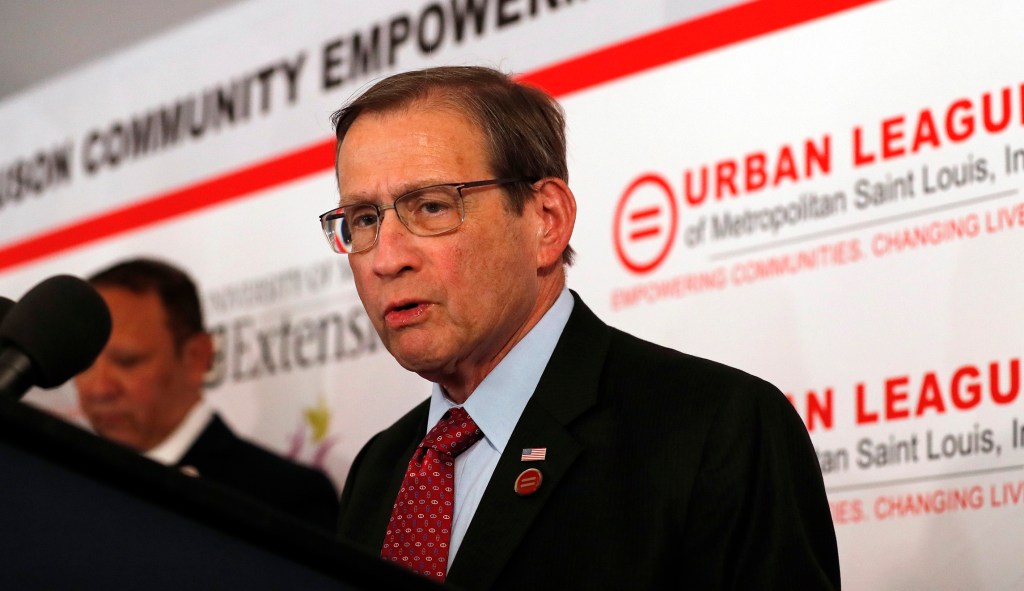
The president and CEO of health insurer Centene said Tuesday its Obamacare plans “continue to perform well” and the company had prepared for some of the changes the Trump administration made to the implementation and promotion of the law.

Centene chief Michael Neidorff said its third-quarter profits rose 22 percent to $239 million, or $1.35 per share, in the period compared to $196 million, or $1.12 cents per share, at this time last year.

Heading into open enrollment, Centene is planning to conduct its own marketing for Obamacare customers to help make up for cuts to the federal outreach by the Trump administration, and filed rates that assumed insurer payments — known as cost-sharing reduction subsidies — wouldn’t be paid. President Trump abruptly ended the funds nearly two weeks ago, and though senators have drafted a bill to restore them it so far does not have enough support from the House or the White House.

“After repeal and replace failed, we fully recognize CRSs may not be funded and as such planned accordingly,” Neidorff said in the company’s third-quarter earnings call.

The rates filed have been approved in all markets they applied for, he said, including in Kansas, Missouri and Nevada, states Centene hadn’t sold Obamacare plans before. It is also expanding plans in six states where it already sold plans.

The cost-sharing payments help insurers offer lower out-of-pocket costs to low-income customers who buy Obamacare plans. Because insurers are still required to offer these discounts, many of them shifted costs by raising premiums.

Low-income customers are shielded from these increases through another type of federal subsidy that goes toward premiums, but middle-income people will personally pay for the full increases, and the government will spend more in premium subsidies.

Companies cannot change their rates headed into the rest of the year, and Centene estimates it will lose 7 cents to 12 cents per diluted share if they do not receive cost-sharing subsidies for the fourth quarter. About 90 percent of its customers receive subsidies to pay for premiums, meaning its customers are lower income than those of other insurers who sold Obamacare plans.

Neidorff pushed back on suggestions by politicians that the funds were intended to help insurer profits.

“They are not a profitable contributor,” he said. “They are intended to cover the out-of-pocket healthcare costs for the country’s most vulnerable populations.”

Centene is one of the few insurers that has said it is profiting from offering Obamacare plans. Most insurers have incurred massive losses and exited the exchanges, leaving Obamacare customers with fewer options for coverage in 2018. Outside experts have credited Centene’s experience working with Medicaid customers for its success, because it structures plans to encourage people to seek lower-cost care that results in better healthcare outcomes.

Centene did not specify how much it had made from the Obamacare market, but said it currently has 1 million customers and it was “business as usual.” Revenues overall increased 10 percent from the third quarter of last year, to $11.9 billion.

Related Content