
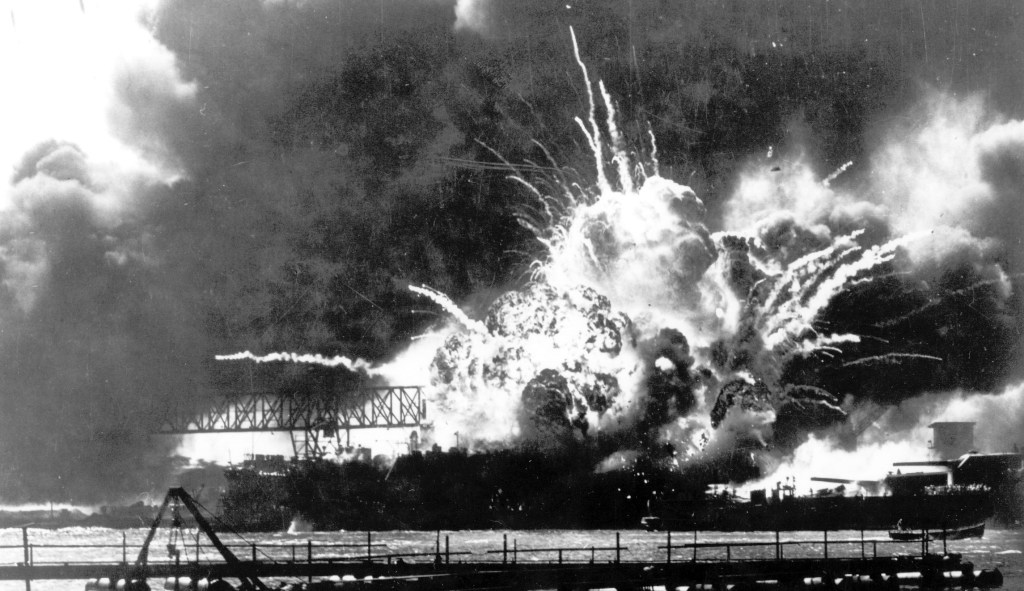
Imperial Japan’s Dec. 7, 1941, attack on Pearl Harbor is the ultimate incarnation of strategic illiteracy. Indeed, it depended utterly on what U.K. Prime Minister Winston Churchill described as the presumptions of “silly people.” The presumption was that the U.S. could be knocked off balance and out of the fight.
Of course, historians have a pretty good idea of what imperial Japan was thinking when its forces attacked Pearl Harbor, Hawaii. Short of oil and other raw materials, Japan needed to dominate Southeast Asia to secure those resources. But first, it needed to defeat any prospect of U.S. confrontation with that agenda. Japan’s hope was that by destroying the docked Pacific Fleet at Pearl Harbor, it would so fray American nerves and war-fighting power that the U.S. would sue for peace.
Real journalism.Trusted by millions.
Unlimited access to in-depth reporting, expert analysis, and the stories that shape our country.
Already a member? Log in