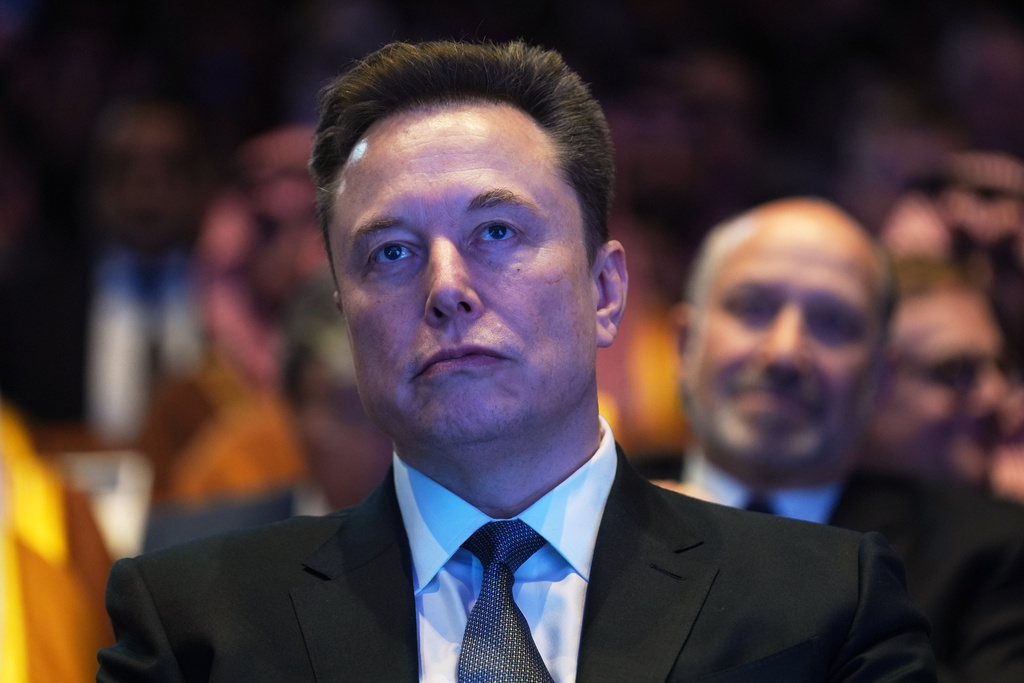
The EU’s Elon Musk shakedown

Europe‘s long-running shakedown of American technology companies has entered a sharper phase. For more than a decade, EU governments have relied on regulatory extraction: fines, digital taxes, and endless “compliance” demands aimed overwhelmingly at U.S. firms. Now, as those tools lose punch and politics harden, Europe is reaching for something more coercive: criminal exposure for executives, with Elon Musk and X as the test case.

The latest escalation comes from Spain, where Prime Minister Pedro Sanchez has described social media platforms as “failed states” that endanger democracy and social cohesion. That is not mere rhetoric. It is a rationale for turning content disputes into legal jeopardy. Musk can trade barbs all day, but Sanchez’s message is aimed at every American platform doing business in Europe.

When Sanchez says that “freedom of expression is not the right of a magnate to buy the public debate,” he is describing a fantasy version of the internet. X is not a global gatekeeper. It sits well outside the Top 10 social platforms worldwide, far smaller than Facebook, Instagram, WhatsApp, YouTube, or TikTok. The idea that Musk has “bought” public debate collapses the moment it encounters basic math. 

From Spain, the story moves quickly to France, where the escalation is no longer theoretical. French authorities opened criminal inquiries tied to X, raided the company’s Paris offices, and summoned Musk for questioning as part of broader investigations into alleged illegal content and data practices. This is not routine oversight. It is a signal that regulators are willing to bring prosecutors into the mix when fines and regulations are no longer sufficient.

None of this should surprise anyone who has watched the European Union using this playbook. EU nations have hit Google with repeated antitrust penalties totaling billions of euros. Meta has faced record General Data Protection Regulation sanctions, including a €1.2 billion fine in 2023. Amazon and Apple have been targeted with major penalties and forced changes to core business practices, from data use to app store rules. Each case is defended on grounds of consumer protection or fair competition. Taken together, it looks like a coordinated system.

Such a system works like this: regulate aggressively, fine heavily, celebrate enforcement as a moral victory, and then take the cash. “Privacy” becomes a revenue stream, antitrust becomes a fiscal instrument, and “fairness” becomes a bill. What suffers? Free speech and expression.

The problem for Europe is that extraction has limits. You can only fine the same handful of companies so many times before facing diminishing returns, and there are only so many threats to make before it starts to sound like a bluff.

Europe’s more significant problem is that it regulates what it did not and cannot build. Despite a multitude of talent and wealth, it has produced relatively few global consumer-tech giants in the modern era. That gap has consequences. Some in the EU believe that if they cannot innovate, then why not control? After all, states such as Texas, California, and New York (with Florida nearby) each produce more economic output each year than all of Spain.

WE ARE ALL NIXONIANS NOW: WHAT TRUMP HAS IN COMMON WITH THE 37TH PRESIDENT

When fines lose their bite, intimidation steps in. Criminal investigations and executive summons raise the stakes in a way monetary penalties cannot. They introduce personal risk and reputational damage and encourage compliance through fear, using the law as a sword rather than a shield. Musk is useful because he is visible and defiant. But the message is not really about him. It is about saying, “Get in line.” Musk is merely the delivery agent with the looming threats aimed squarely at Meta, Google, Amazon, Apple, and whoever comes next.

No one is arguing that tech companies should be above the law. The issue is whether European governments are enforcing clear, neutral rules or weaponizing legal systems to extract concessions from foreign firms. Spain and France suggest the latter. If European leaders want healthier digital markets, they should foster innovation at home rather than treating American companies as an ATM, using methods that would impress the Soprano family. And if they continue upgrading from fines to criminal threats, the U.S. should stop pretending this is normal regulation and respond accordingly.

Related Content
