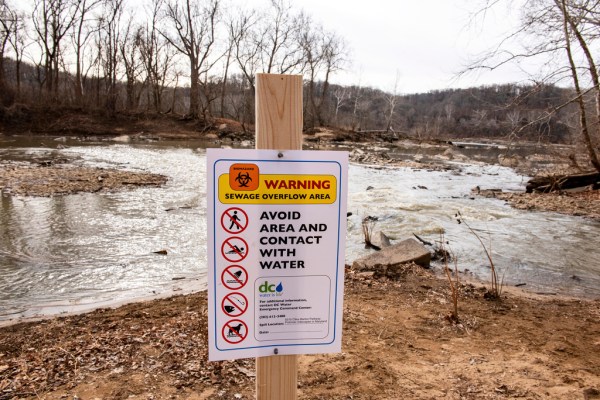
A sewage spill that began on Jan. 19 in the Potomac River has become one of the largest, if not the largest, reported wastewater spills in U.S. history.
On Jan. 19, a section of the Potomac Interceptor sewer line collapsed in the Potomac River at a point off of Cabin John, Maryland, causing the release of hundreds of millions of gallons of raw sewage into the waterway. Regional environmental activists have called the spill undoubtedly one of the largest wastewater spills in the nation, with WTOP calling it the largest in U.S. history.
David Gadis, the head of Washington, D.C.‘s Water and Sewer Authority, wrote in a community letter that DC water’s priorities surrounding the spill have been “containment, environmental monitoring, and stabilization” as they work to “assess water quality, ecological impacts, and necessary remediation.”
ECONOMY ADDED 130,000 JOBS IN JANUARY: THE KEY FACTS AND FIGURES
“DC Water crews and contractors mobilized around the clock – through sub-freezing temperatures and severe winter weather – to contain the overflow, protect public safety, and begin repairs to the 72-inch pipe. By January 24, an emergency bypass was activated to reroute flows and stop the discharge,” Gadis wrote.
Gadis’s Wednesday letter followed calls from various local environmental activist groups for greater transparency regarding updates on the situation and the levels of E. coli. On Friday, Feb. 6, DC Water initially reported levels of E. coli coming from the overflow at 2,420 MPN/100mL. They later changed it to the actual level of E. coli present, 242,000 MPN/100mL, which is 9,900% higher than the initial report.
“We take seriously the calls from community members and environmental partners for accountability, transparency, and long-term solutions, and we are committed to engaging constructively as this work continues,” Gadis said.
The President of Potomac Conservancy, Hedrick Belin, penned one of these letters to Gadis. Belin thanked crews for working to remediate the situation in extreme weather, but also called for “accountability, transparency, and follow-through” while noting the wastewater infrastructure is “outdated and weak.”
“The scale, duration, and downstream impacts of this spill demand a response that extends beyond emergency containment. Raw sewage carrying dangerous bacteria is now affecting waters flowing through Washington, DC and surrounding communities, waters that millions of people rely on for recreation; companies rely on for their economic livelihood; and fish and wildlife rely on for survival,” Belin wrote.
Potomac Riverkeeper Network and the University of Maryland each estimated that approximately 300 million gallons of wastewater have overflowed from the spill. DC Water, on Feb. 6, calculated that approximately 243 million gallons of wastewater had overflowed.
DC WATER SAYS E. COLI RATE FROM POTOMAC SEWAGE SPILL 100 TIMES HIGHER THAN REPORTED
The largest wastewater spill on record before the Potomac Interceptor leak stood at 143 million gallons of wastewater, according to World Atlas. This number stands at about 100 million gallons less than the Potomac Interceptor overflow.
The incident was ongoing, but DC Water reported in a Wednesday update that “no overflow events have been reported in the past 24 hours.” Drinking water is not affected.