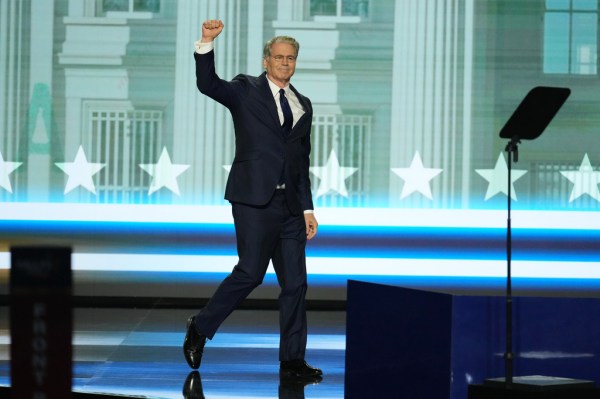
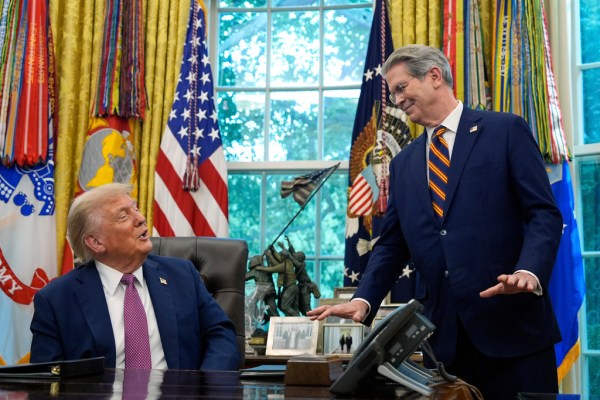
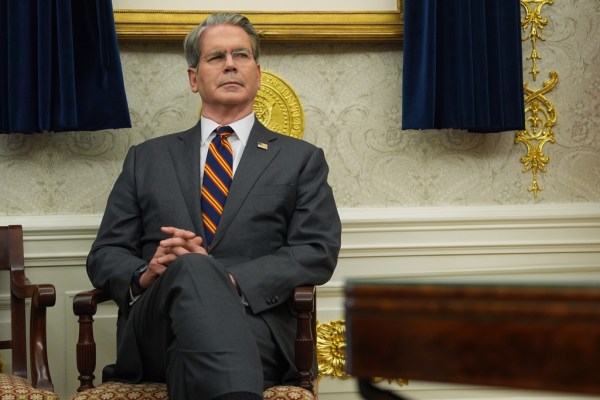
Treasury Secretary Scott Bessent is telling the U.S.’s global trade partners to honor their tariff agreements following the Supreme Court’s decision curbing the administration’s emergency tariff powers.
Bessent said that despite the court’s decision to block President Donald Trump from raising tariff revenue through the International Emergency Economic Powers Act, the Trump administration can instead implement tariffs under Sections 232 and 301 of the Trade Act of 1974.
“We can move to 232 and 301 tariffs, so I think that everyone is going to honor their deal,” Bessent said in a Fox News interview with host Will Cain. “I would call on all countries to honor their agreements and move forward.”
Bessent also floated the idea that embargoes stand as a “draconian alternative” to tariffs in the event a President needs them.
“There is the draconian alternative that the Supreme Court reaffirmed that the President has – he has a right to a complete embargo. Like he can just cut countries off or he can cut whole product lines off,” Bessent said.
U.S. trading partners have remained cautiously optimistic in the wake of the Supreme Court’s tariff ruling, with world leaders from the United Kingdom and European Union signaling they are in contact with the Trump administration as they figure out how to move forward.
Trump announced during a Friday press conference that he would be installing a 10% global tariff under Section 122 of the Trade Act of 1974. He also announced that he is keeping all national security, non-IEEPA tariffs in place, including those established under Sections 232 and 301.
‘A BIG MESS’: MAJOR UNCERTAINTY OVER WHETHER TRUMP HAS TO REFUND TARIFFS
Bessent briefly spoke on the tariff ruling in his speech before the Economic Club of Dallas, projecting confidence in the administration’s stance and asserting that their modified tariff strategy “will result in virtually unchanged tariff revenue.”
“We will be leveraging Section 232 and Section 301 tariff authorities that have been validated through thousands of legal challenges,” Bessent said. “Treasury’s estimates show that the use of Section 122 authority, combined with potentially enhanced Section 232 and Section 301 tariffs, will result in virtually unchanged tariff revenue in 2026.”