Foreign cartels are scamming Americans. Trump is moving to stop them

Published April 22, 2026 9:00am ET


An elderly woman gets a call from her grandson. Or at least, she thinks she does. He sounds panicked and says he needs money immediately. Although the voice is spot-on, it’s completely fake. Within hours, her savings are gone — wired through a maze of accounts, converted into cryptocurrency, and moved out of reach. By the time anyone realizes what happened, the trail is cold. 

Unfortunately, this is exactly how the cartel-run fraud system now works. 

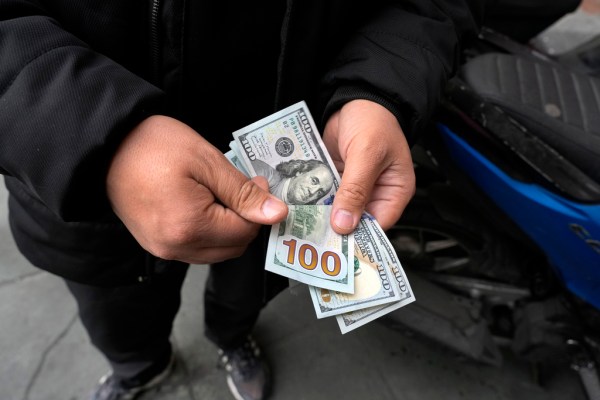
The scale in which this is now occurring is eye-popping. For example, just days ago, the FBI issued an alert that artificial intelligence and cryptocurrency scams — often operated by fraud cartels — bilked Americans to the tune of over $20 billion last year. 

TRUMP IS RIGHT TO TARGET FRAUD CARTELS. HERE’S WHAT SHOULD COME NEXT

Fortunately, the White House is treating rectifying this problem with the urgency it deserves. 

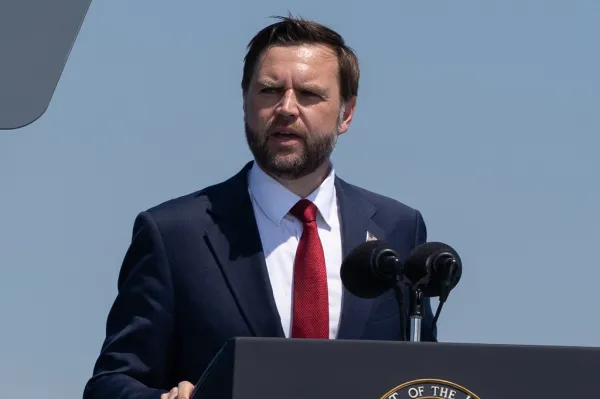
This month, acting Attorney General Todd Blanche, under the leadership of President Donald Trump’s appointed fraud czar, Vice President JD Vance, gave a moving speech in which he outlined how tackling these fraud cartels is a priority for the White House. He even announced the creation of the National Fraud Enforcement Division to get to the bottom of it. 

This has come not a moment too soon, because the sad reality is that today, fraud has scaled.

These cartel-run operations are structured. One group collects personal data. Another builds the script, sometimes using AI to mimic voices or generate messages that sound exactly right. Others handle payments and laundering. Some come back later, pretending to be investigators who can help recover the money for another fee.

In parts of Southeast Asia, entire compounds have been set up to run these scams around the clock. Thousands of workers, some there under coercion, spend their days targeting victims in the United States and Europe. The messages are tailored, and they make repeated follow-up calls, keeping the victim engaged until the money is gone.

Criminal networks elsewhere have taken notice that fraud in 2026 offers something traditional rackets don’t: scale with relatively low risk. 

There are no shipments to intercept or physical product to steal. All they need to be effective is some data, persuasion, and fast-moving money. That combination is hard to police and even harder to stop once it starts.

Artificial intelligence removes much of the friction old fraud operations faced by personalizing outreach and operating at a volume that would have required entire teams just a few years ago. 

These cartel-led operations aren’t using poorly written emails anymore. With the help of AI and voice scams, they are now leading convincing conversations with personalized information that feels specific to each victim. 

The U.S. has dealt with organized crime before. It adapted, built capacity, and coordinated across agencies and borders. This moment calls for something similar. 

It’s great to see the federal response starting to catch up. Treating fraud as something closer to organized crime, which is what the Trump administration has begun to do, is the right approach. 

Congress should build off the White House’s recent leadership by elevating cartel-run fraud to a top-tier national security priority, with dedicated funding and statutory authority to treat these networks like transnational criminal organizations. 

The Trump administration should also follow up its efforts by expanding the Treasury’s use of sanctions to target the foreign operators, facilitators, and shell networks that move this money. And the State Department should pressure host governments in Southeast Asia and elsewhere to shut down scam compounds, using trade leverage and diplomatic consequences if they fail to act.

SOMALI FUGITIVE FLEEING MINNESOTA FRAUD CHARGES IS AN ILHAN OMAR DONOR

Without that kind of coordinated, aggressive response, millions more Americans will keep paying the price, and the cartels running these operations will only get stronger.

The Trump administration is already on the right track, and we are grateful for its leadership on this important issue. Now, it just needs to follow through and receive some legislative support from Congress. The financial security of millions of Americans depends on it.

Darrin Porcher, Ph.D., is an adjunct professor at Pace University in New York City, where he teaches and researches issues related to criminal justice and law enforcement. He is a former New York Police Department lieutenant and a frequent guest on CNN and Fox News, where he discusses criminal justice-related matters.