

Iranian executions picked up over the weekend, despite President Donald Trump’s plea for the regime to stop killing protesters.
Tehran executed at least six protesters amid the country’s dispute with the United States, particularly over the Strait of Hormuz.
Recommended Stories


CENTCOM DENIES IRAN’S CLAIM IT DAMAGED US WARSHIP IN STRAIT OF HORMUZ
Iranian media announced on Monday that three men who demonstrated against the government in December 2025 and January were hanged, naming them as Mehdi Rassouli, Mohammad Reza Miri, and Ebrahim Dolatabadi. Another three men were executed by the regime, likely on Saturday, according to the Kurdistan Human Rights Network. Iranian media said Yaghoub Karimpour and Nasser Bakarzadeh were guilty of intelligence cooperation with Israel near the Natanz nuclear site in central Isfahan province. Mehrab Abdollahzadeh was executed for his involvement in a 2022 nationwide uprising against the Iranian government.
The development comes after Trump has repeatedly called on Iran not to execute residents critical of the government. In January, the president said his intervention saved over 800 protesters from being murdered. In late April, he praised Iran for halting the executions of eight women. The halt came as Iranian negotiators engaged in peace talks with their U.S. counterparts centered on a two-week ceasefire in the Iran war, which sparked on Feb. 28.
“I said, ‘If you hang those people, you’re going to be hit harder than you’ve ever been hit,’” Trump told reporters on Air Force One. “And an hour before this horrible event, they canceled it.… I stopped 837 hangings on Thursday, would have been dead, every one of them, mostly young men.”
The president said Friday that hostilities with Iran have been “terminated.” The Trump administration’s peace negotiations with the country are ongoing and centered largely on concerns about Iran’s nuclear program.
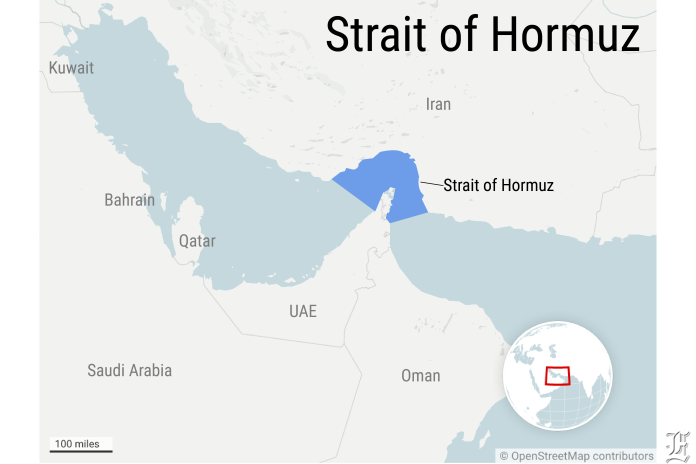
But more executions in Iran were revealed over the weekend, as tensions between Washington and Tehran blew up over the Strait of Hormuz.
Much of the world’s oil supply flows through the water passageway, which borders Iran and connects to the Persian Gulf. The channel essentially closed during the Iran war, as Tehran sought to project dominance over the region, intimidating oil tankers and other vessels from passing through the area, and unleashing historic turmoil in the global energy market.
TRUMP TO REVIEW LATEST IRAN PROPOSAL, BUT ‘CAN’T IMAGINE IT WOULD BE ACCEPTABLE’
The tiny channel has begun to reopen in recent weeks, and Trump announced on Sunday further measures to ensure the safe passage of backlogged vessels through the area.
Project Freedom refers to an initiative in which the U.S. will escort stranded ships out of the Strait of Hormuz, starting “Monday morning, Middle East time.” U.S. Central Command said it would support the action with 15,000 personnel, guided-missile destroyers, and more than 100 aircraft. Iran responded to Trump’s latest action by promising that “any foreign armed forces, especially the aggressive U.S. Army, will be attacked if they intend to approach and enter the Strait of Hormuz.”
