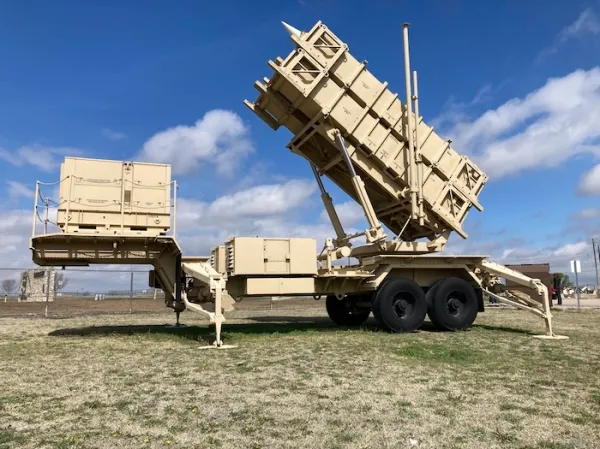
Hypersonic weapons and long-range drones are straining the homeland defense assumptions that helped keep America safe after World War II. They have already shaped battlefields in Ukraine and Israel, and future variants will be designed to reach farther, fly lower, maneuver harder, and overwhelm legacy defenses. Meeting that threat will require two longtime rivals — Colorado Springs and Huntsville, Alabama — to turn decades of competition into a national security advantage and build the Golden Dome missile shield capable of detecting, tracking, and defeating the next generation of aerial threats.
The danger is not theoretical. Hypersonic weapons can carry nuclear or conventional payloads, fly at extreme speeds, and maneuver unpredictably in flight. Long-range drones, as Iran and Russia have shown, can be launched in large numbers, from unconventional platforms, and used to saturate defenses. The United States needs a homeland defense architecture that can see the threat early, pass the data quickly, and engage it affordably before it reaches American cities, bases, and critical infrastructure.