June 2025 polling from Gallup revealed that Americans, whose concerns about immigration had been growing for the previous four years, have “grown markedly more positive toward immigration over the past year, with the share wanting immigration reduced dropping from 55% in 2024 to 30% today.” In fact, Gallup reported “a record-high 79% of U.S. adults say immigration is a good thing for the country.”
The reality is that most Americans, even most conservatives who think it should be put on pause or reduced for a while, think immigration is a good thing.
Recommended Stories

Yet the tanking numbers from 2021-24 demonstrate that this approval is a general one that can change very quickly depending on the circumstances. Immigration is good when it is legal immigration, it is not mass immigration, it is controlled, it doesn’t overwhelm American communities and infrastructure, and it doesn’t create massive changes in culture.
Becoming an American: How to fix the legal immigration system
Whatever American policy on immigration is in the future, it will only be seen as “good” if these conditions are met. When they are not, Americans will again think that immigration must be reduced or even ended.
Liberals like to say that opposition to illegal immigration is simply a ploy to oppose all immigration. I don’t think this is true. Certainly, some people today do want to stop all immigration, illegal and legal, after the Biden years, but that group is small. Most of them want a “pause” rather than a full “stop” to our admission of immigrants. The sine qua non for any immigration policy must be that only those who are legally admitted ought to be allowed to stay.

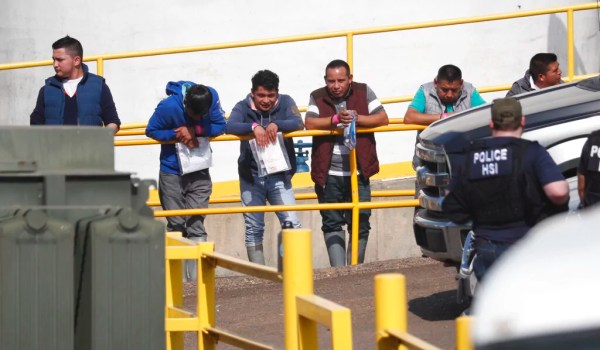
Legal immigration must happen under a controlled system wherein people who want to be admitted not only follow the rules for getting in but are vetted in some way. That there must be vetting means it cannot be a mass system. Illegal immigration of the sort that Americans endured under the Biden-era “catch and release” approach allowed for absolutely no control over who was coming into the country.
The end result was that when members of Congress requested data about criminal illegal immigrants in the country in 2024, ICE Deputy Director Patrick Lechleitner informed them that there were, as of July 21, 2024, “662,566 noncitizens with criminal histories on ICE’s national docket, which includes those detained by ICE, and on the agency’s non-detained docket.” Nearly two-thirds of these were convicted criminals, while one-third had pending charges. Almost 15,000 were murderers, and 20,000 were sexual predators.
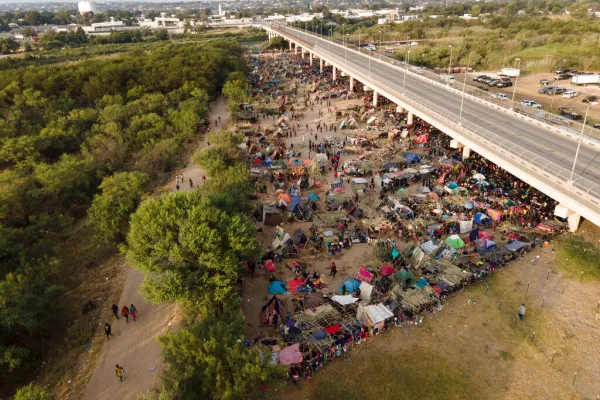
Immigrants can overwhelm our systems simply by moving somewhere in large numbers. Massive influxes of immigrants from completely different cultures often cause big problems because of the drain on school, healthcare, and housing resources, even if such groups contribute to the economic success of a region. This is true from border towns such as Del Rio, Texas, to Midwestern towns like Springfield, Ohio.
HOW THE ‘WHITE SUPREMACY CULTURE FRAMEWORK’ SUBVERTS AMERICAN VALUES
Most importantly, Americans start to think immigration is bad when immigration begins to change our culture. If America is really about a set of ideas or a “creed,” as many like to say, then American immigration policy ought to be able to vet potential immigrants on the basis of whether they understand American culture, American values, and the American system. Minnesota’s experience of Somali immigration has been a lesson in the near impossibility of assimilating people — at least in large numbers — from an “anti-modern” clan-based society.
We need a policy yielding relatively small numbers of noncriminal immigrants of good character who want and can be American.
The few, the proud, the vetted.
David P. Deavel teaches at the University of St. Thomas in Houston. A past Lincoln fellow at the Claremont Institute, he is a senior contributor at the Imaginative Conservative. Follow him on X @davidpdeavel.