The midterm elections are upon us. As both parties scramble to make their last appeals to voters, they may be overlooking a key demographic among voting Americans — one that could have a significant affect on the outcome of the elections. Recent polling shows just how influential this new voting bloc could be. The question is, who will seize on the opportunity to reach these voters?
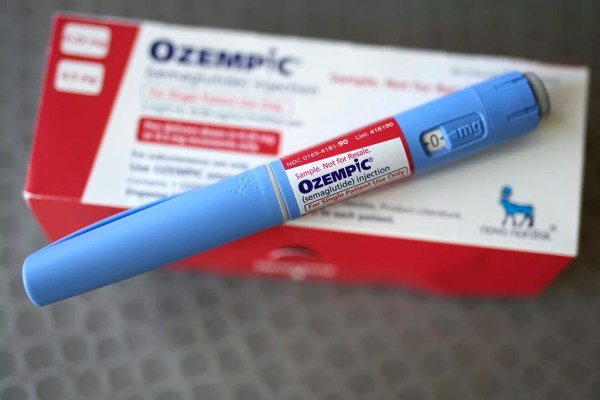
The numbers from Cygnal’s latest polling are eye-opening. A significant segment of the American public is now using GLP-1 medications — drugs such as Ozempic and Wegovy — to manage weight and improve metabolic health. What started as a niche diabetes treatment has become a cultural and political phenomenon. Millions of Americans are quietly transforming their lives, and this shift is creating a new constituency that both parties ignore at their peril.
Recommended Stories
This kind of development is just what the Make America Healthy Again movement has been highlighting. For too long, the healthcare conversation has been dominated by managing chronic disease rather than preventing it. The explosion in GLP-1 use shows that this is changing. People are taking control of their health in ways the old Washington consensus never imagined.
“Most people have begun to understand that treating obesity is real medical care, and it’s good to see the data reflect that. Obesity is a chronic disease, and the patients I see have usually worked at this for years before they reach for a medication. A GLP-1 is one effective tool, and the care around it, the ongoing follow-up, is what turns it into real results,” said Dr. Jessica Duncan, chief medical officer of Ivim Health and a board-certified obesity medicine physician, after reviewing this data.
The Cygnal data show that this is more than just a trend. Millions of Americans are seeing real improvements in their energy, mobility, and long-term health markers. That’s powerful. When people feel better physically, they often start thinking differently about the role of government in their lives. They expect more. They want policies that expand access to these tools, reduce regulatory barriers, and reward prevention instead of perpetuating sickness to feed the bureaucracy.
This is where doctors have to play a central role. The best outcomes happen when patients work with physicians who understand both the science and the individual. This is where doctors have to play a central role. Telehealth platforms such as Ivim are making quality care more accessible by breaking down barriers and meeting patients where they are. We also need more physicians trained in metabolic health and nutrition, incentivized to focus on root causes rather than just writing prescriptions to foot Big Pharma’s bill. MAHA’s emphasis on reforming medical education is critical here.
Politically, this emerging bloc is fascinating. These are often working-age Americans who were previously disengaged or skeptical of both parties. Many of them are parents concerned about their children’s health in an environment flooded with ultra-processed food. They’re practical. They don’t want the same old talking points — they want real solutions that help their families live better lives.
I recently had Tiffany Ryder, a certified physician assistant with experience practicing emergency medicine, including working in the emergency room during the COVID-19 pandemic, on my show to talk about the growing importance of the MAHA bloc. Her take? As long as we have sick children struggling with chronic disease, their families are not going to stop fighting for them, which means that this voting bloc isn’t going anywhere soon.
Republicans have a real opportunity to speak directly to this group. Instead of ceding the health conversation to the Left, we should champion competition, transparency, and patient-centered care. Lower barriers to innovative treatments. Support doctors who prioritize results over ideology. Highlight companies that are actually moving the needle on obesity and chronic disease.
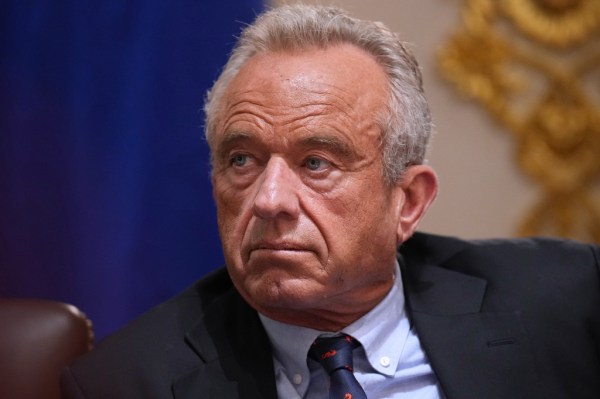
The Left’s approach — more regulation, more mandates, more guilt — is failing. Americans don’t want to be shamed into better health. They want tools, information, and the freedom to make better choices to take ownership over their own health. MAHA, under Health and Human Services Secretary Robert F. Kennedy Jr. and President Donald Trump, is offering that vision.
As we head toward the midterm elections, this voting bloc will only grow. The question is which party will meet them where they are. Republicans should lean in. Celebrate the progress people are making. Defend medical freedom. Push for reforms that put patients and doctors first. The data from Cygnal show that the potential payoff in the voting booth is enormous.
OPINION: TRUMP NEEDS A NEW ‘OPERATION WARP SPEED’ TO BEAT CHINA IN THE QUIET RACE FOR CURES
“What stands out in our data is how little appetite there is for judging people over a GLP‑1 decision,” said Alex Tarascio, the pollster who conducted this survey. “Most voters see it as a personal choice or a smart, responsible choice, and the skepticism that does exist is more about cost and access than morality. When leaders like Trump and Kennedy talk about keeping these options open and getting the price down, they are speaking directly to that instinct for personal choice and health, with practical help attached.”
The bottom line: GLP-1 medications and the broader MAHA movement represent a clear shift in how Americans think about health. Companies such as Ivim are proving the private sector can deliver results when the government gets out of the way. Doctors must remain central to this conversation. If Republicans embrace this moment, they can build a lasting coalition of healthier, happier, and more empowered Americans.
Sean Spicer served as White House press secretary in President Donald Trump’s first term and is the host of The Sean Spicer Show. He is a spokesman for Ivim Health.