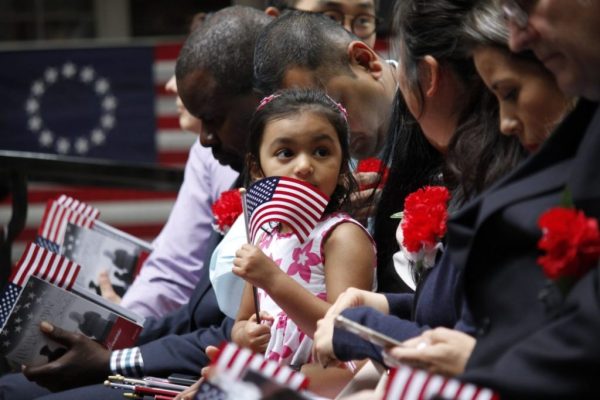
The debate on American identity cleaves between heritage and creed. The heritage side, prevalent among traditionalists and post-liberal conservatives, tends to define “Americaness” as coming from American stock — being born to American mothers and fathers who were born to American mothers and fathers who, in turn, also have roots in American land. The further back the lineage, the better, especially if it entails living through one of America’s great wars or periods of economic and social upheaval. This common history produces a common culture that, notwithstanding its pockets of particularity, is unified by shared experiences, shared language, and shared suffering, sacrifice, and triumph.
In contrast, creedal American identity, typically espoused by classically liberal conservatives, is defined by assent to foundational governing principles. The creedal perspective doesn’t care whether Americans were born and raised in the U.S., whether they embody traditional American culture, or even if they are fluent in English. What matters is fidelity to the Constitution.