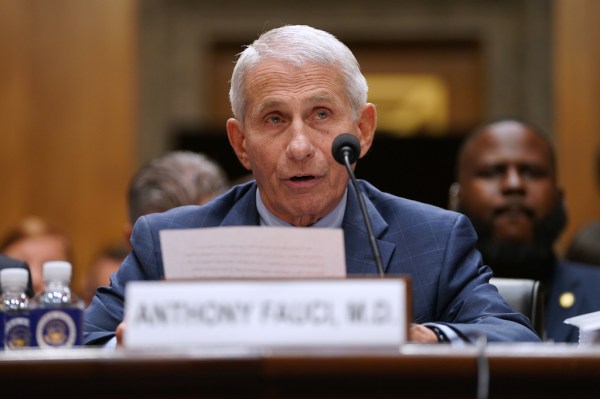
After Dr. Anthony Fauci invoked the Fifth Amendment before the Senate Homeland Security Committee last week, Sen. Andy Kim (D-NJ) warned that the hearing could have a “chilling effect” on scientists considering public service. Young researchers, he argued, would think twice before following in Fauci’s footsteps after watching one of the country’s best-known public health officials endure years of investigations and public attacks.
Almost immediately, the conversation shifted away from Fauci’s decisions and toward the danger of questioning them. Accountability became the alleged threat.
Recommended Stories
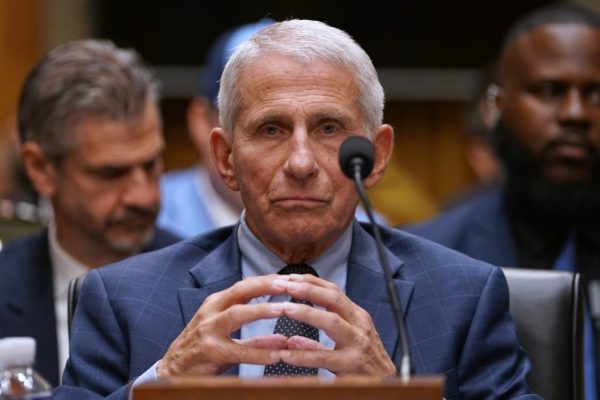
Therapists see this pattern all the time. When people feel cornered, they often stop defending their decisions and start defending themselves from having to answer for them. The conversation shifts from whether they exercised good judgment to whether it’s fair to keep asking about it.
It’s a natural instinct. Most people don’t enjoy having their mistakes examined. When criticism feels personal, the temptation is to question the criticism instead of confronting the issue that prompted it. People may focus on how attacked they feel, question the motives of the person asking, or argue that the conversation itself has become unfair.
Good therapy pushes in the opposite direction. Patients learn to separate criticism of a decision from criticism of their character. They learn that uncomfortable questions aren’t necessarily hostile ones and that accountability isn’t the same thing as condemnation. Growth depends on being willing to tolerate discomfort instead of finding ways to avoid it. Public institutions shouldn’t operate by a different psychological standard.
Kim wasn’t necessarily defending Fauci’s pandemic decisions. He was arguing that years of scrutiny could discourage talented scientists from entering public service. It’s an understandable concern. But it also turns accountability on its head. The question quietly changes from whether public officials exercised good judgment to whether the public should keep asking.
That pattern extends well beyond public health. Universities, corporations, government agencies, and other institutions now answer criticism by emphasizing the dangers of criticism itself. The conversation moves from, “Did we make the right decision?” to, “What happens if people keep questioning us?” Those are fundamentally different questions.

The second question never actually answers the first. An institution may be correct that relentless public criticism carries costs. It may discourage qualified people from entering public service, damage morale, or make difficult jobs even harder. But those concerns don’t resolve whether the original decisions were sound. They simply redirect attention away from them. Accountability and recruitment are separate issues. A society can care about attracting talented public servants while still expecting those who accept positions of extraordinary authority to explain the choices they made. Confusing those questions doesn’t protect public trust. It weakens it.
Hospitals review medical errors. Airlines investigate near misses. Businesses conduct postmortems after failed product launches. Serious organizations don’t avoid those conversations because they might discourage future employees. They understand that honest review strengthens performance, exposes blind spots, and builds confidence that mistakes won’t simply be repeated.
Public trust rarely suffers because institutions examine themselves honestly. It suffers when they appear more interested in managing criticism than addressing it.
Government should be no different. Public officials exercise extraordinary authority, especially during a national emergency. Decisions about lockdowns, school closures, vaccine mandates, and public messaging affected virtually every person. Looking back at those decisions isn’t evidence that democracy is failing. Instead, it is evidence that democracy is working.
Every profession that carries significant responsibility also carries significant accountability. Judges face appellate review. Police officers are investigated after controversial uses of force. Military commanders answer for operational failures. Corporate executives explain failed decisions to shareholders and boards. None of those professions argues that oversight should be reduced because it might discourage talented people from serving.
Public service has never come with immunity from difficult questions. Nor should it. No therapist would tell a patient, “Don’t answer difficult questions because someone else might be discouraged from seeking therapy.” That response wouldn’t promote resilience. It would only reinforce avoidance. The same principle applies to public institutions. Trust isn’t built by convincing people that scrutiny is dangerous. It’s built by showing that important decisions can withstand scrutiny.
People don’t expect public officials to be perfect. They expect them to explain their decisions, acknowledge uncertainty, and admit mistakes when they’ve made them. Institutions become more credible when they’re willing to revisit controversial decisions openly rather than suggesting that revisiting them carries unacceptable costs.
FAUCI’S LEGACY: SHATTERED PUBLIC TRUST
Fauci had every constitutional right to invoke the Fifth Amendment, and nothing here questions that right. Nor does this argument depend on whether every criticism of his pandemic decisions is fair. The broader issue is the common habit of answering difficult questions by warning about the consequences of asking them. That’s a subtle but important shift. It asks the public to evaluate the costs of accountability before evaluating the decisions that made accountability necessary in the first place.
Good therapists spend their careers teaching patients not to confuse being questioned with being attacked. Public institutions should learn the same lesson. A difficult question is not a threat to public trust. Treating accountability as the threat is.