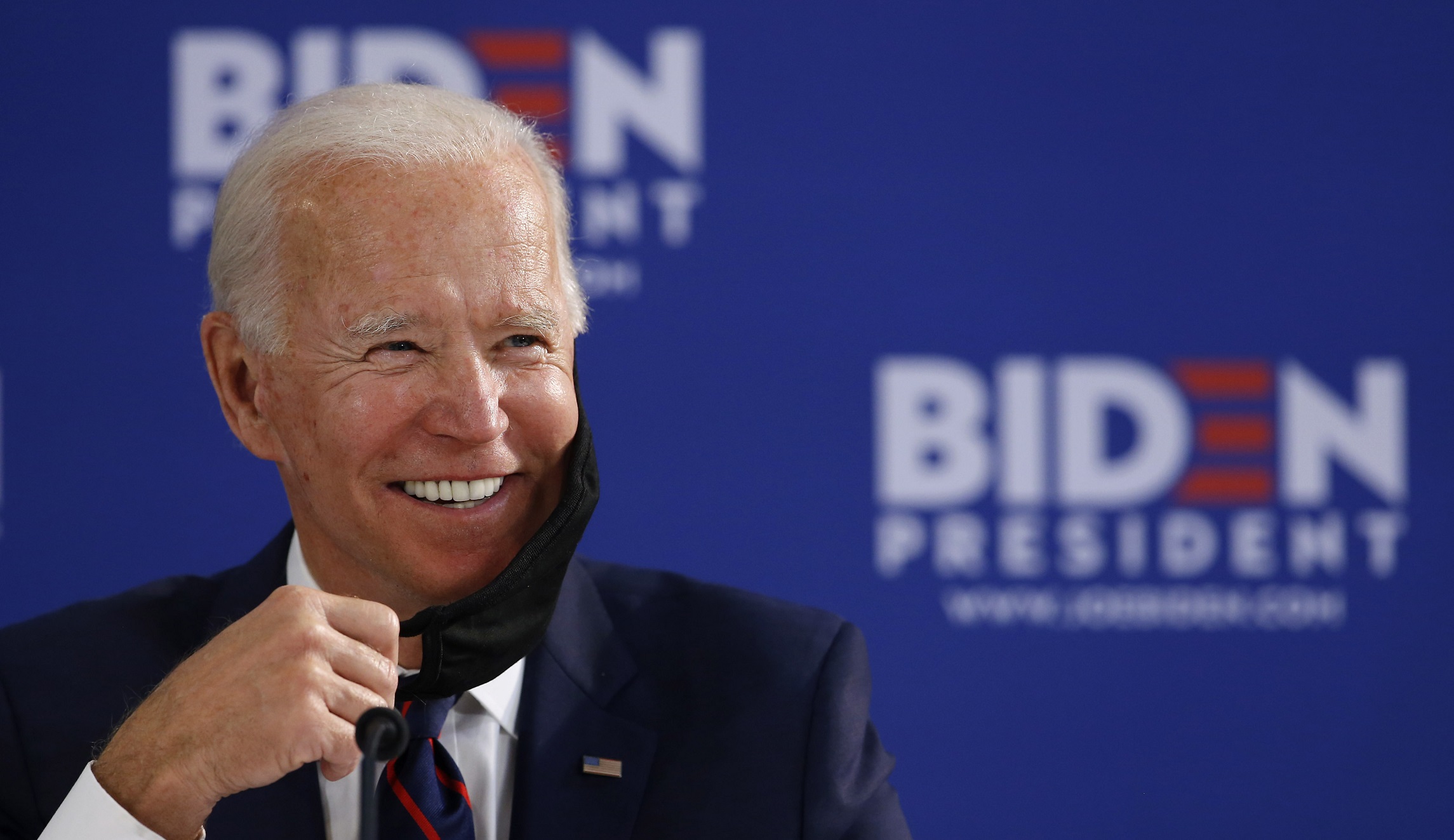
Biden’s first day might include a bailout for the wealthy

During his presidential campaign, Joe Biden ran on the “cancellation” of $10,000 in student debt for all college graduates, and further relief for those making less than $125,000. Now that he has been projected to win the White House, pending recounts and legal challenges, we may soon find out whether Biden intends to follow through on these promises for a federal student loan bailout.

If he does, he’d be prioritizing the interests of the well-off and well-educated during a time of national crisis — one that’s hurting the working class the most. It’s hard to see any scenario where that’s a responsible use of taxpayer dollars.

There are a few different ways this could play out.

If Democrats win a narrow Senate majority in the Georgia runoffs, Biden could work to pass some form of student debt relief through a majority vote on legislation. Alternatively, while it would likely face legal challenges, Biden could try to cancel some student debt that is owed to the federal government via executive order.

“At a minimum, Biden is expected to utilize executive action to extend the moratorium on federal student loan payments, interest, and collections, which currently is set to expire after December 31,” attorney Adam Minsky explains. “But advocates for student loan borrowers are pushing Biden to go further, and use executive action to enact sweeping student loan forgiveness.”

Top Democrats such as Sen. Elizabeth Warren and Senate Minority Leader Chuck Schumer have endorsed this approach.

The dubious legality aside, Biden would be wrong on the merits to go down this path.

There is no such thing as debt “forgiveness” or “cancellation.” When proposals call for “cancellation,” what they really mean is that taxpayers pick up the tab. The debts don’t just disappear — they get passed on to all of us.

With that in mind, this transfer of wealth would create clear winners and losers. And while Biden may claim to be a “progressive,” the winners from this policy would disproportionately be well-off, well-educated people, while the losers would include working-class taxpayers.

After all, while it may seem like higher education is now a ubiquitous part of adult life, only one in three adults over age 25 have a four-year college degree. This subgroup of society earns substantially more, on average, than non-college-graduates. (Hence why people go to college!) Naturally, they also hold all student debt.

Keep in mind that Democrats are overlooking the moral hazard their bailouts would create.

It’s a part of human nature that we make different decisions when we aren’t on the hook for the consequences of our actions. For example, having car insurance makes one more likely to be comfortable parking their car somewhere potentially unsafe — if something goes wrong, they won’t have to bear the full cost of replacing the car. In the same way, prospective college students will be less frugal in both their choice of college and choice of major if they believe future politicians will just bail them out of having to pay the price.

So, a Biden executive order “canceling” student debt might be framed by Democrats as relief for the struggling, but it would really amount to a massive transfer of wealth from average folks to a disproportionately well-off subgroup of society, all while encouraging future students to make less financially sound decisions.

You don’t have to take my word for it. Just consider this graph from the liberal-leaning Urban Institute:

eddebtpie_revised.jpg

The Urban Institute concludes, “debt forgiveness plans would be regressive—providing the largest monetary benefits to those with the highest incomes.” Is that really what Democrats stand for now?

If inaugurated, Joe Biden will face a national health crisis and serious economic programs. To prioritize a taxpayer bailout for the well-off and well-educated in this context would be an irresponsible start to his presidency.

Brad Polumbo (@Brad_Polumbo) is a Washington Examiner contributor and host of the Breaking Boundaries podcast.

Related Content
