Trump Cabinet’s addiction experience shapes federal recovery policy

Published August 26, 2026 7:00am ET | Updated August 26, 2026 9:59am ET


EXCLUSIVE — Familial experience with addiction among policymakers at the highest levels of the Trump administration is shaping new federal policies on drug and alcohol recovery.

Kathryn Burgum, co-chairwoman of the Great American Recovery initiative and wife of Interior Secretary Doug Burgum, told the Washington Examiner in an exclusive interview that a new overhaul of federal recovery programs would not have been possible but for the multiple individuals within the Cabinet who have either struggled with addiction or had family members with substance abuse problems.

The reform effort, which the administration has called the Great American Recovery initiative, was created by an executive order President Donald Trump signed in January.

Kathryn Burgum co-leads the program with Health and Human Services Secretary Robert F. Kennedy Jr. Since the program began, the pair have announced $800 million in addiction and mental health grants as well as a variety of new programs through HHS and other departments to help states improve access to treatment, stable housing, and family connections for those struggling with addiction.

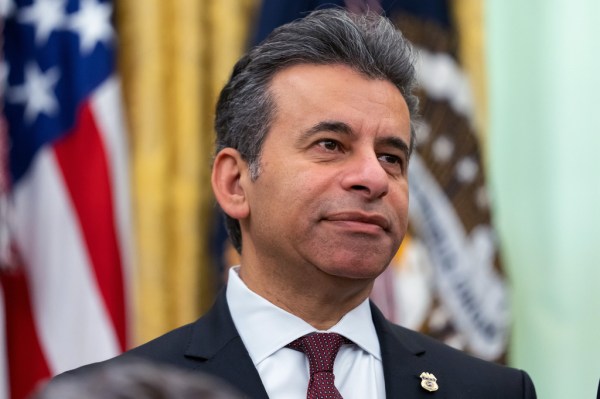
President Donald Trump looks to Interior Secretary Doug Burgum and his wife Kathryn at an event on addiction recovery in the Oval Office of the White House, Thursday, Jan. 29, 2026, in Washington. (AP Photo/Allison Robbert)

Burgum said the initial idea for the national recovery project was hers, expanding work she had done as first lady of North Dakota to reduce the stigma against addiction that often prevents people from seeking treatment.

After a two-decade struggle with alcohol addiction that began in high school, and being 24 years sober, Burgum shared her addiction story publicly after her husband’s election to help improve the quality of and access to addiction recovery services in her state.

She said she wanted to take the idea to the federal level “because we have an administration at the highest level deeply affected by addiction.”

Kennedy has openly discussed his 42 years of sobriety after a 14-year heroin addiction. Others close to the White House have also had family experience with addiction that influences the importance of the project.

Vice President JD Vance featured his mother’s opioid addiction prominently in his memoir Hillbilly Elegy and hosted a celebration for her in the White House in April 2025 to celebrate her 10 years of sobriety.

White House chief of staff Susie Wiles’s father, former NFL player and sports broadcaster Pat Summerall, also struggled with alcoholism for decades before beating his addiction and remaining sober until his death in 2013.

Trump’s eldest brother, Fred Trump Jr., died of a heart attack in 1981 at the age of 42 after years of alcoholism. Steve Witkoff, Trump’s special envoy to the Middle East, also lost his son to an overdose that he suffered while seeking treatment at a rehab center in Los Angeles.

“I just felt like now is the time where we might be able to make a significant difference in how we approach and treat addiction,” Burgum said. “I talked to Susie Wiles about it, and then before I knew it, it became an executive order.”

The number of people in Trump’s orbit with addiction and recovery experience mirrors the national statistics.

More than 46 million adults in the United States struggle with addiction, according to the National Institutes of Health, making up about 20% of the population. But Burgum said the consequences of addiction ripple through families and communities, having wider effects than on the individual struggling with substance misuse.

According to the NIH, almost 19 million children, or about 1 in 4, in the U.S. live with at least one parent or primary caregiver who struggles with drugs or alcohol.

A 2020 study found that roughly 113 million people in the U.S. have been directly or indirectly harmed as a result of another person’s alcohol abuse, and another 46 million from drug abuse. The harmful incidents measured in the study included traffic accidents, vandalism, physical harm, financial problems, and family or marriage struggles.

“Including those people that are struggling and those that are impacted, that’s half of America,” Burgum said. “It’s so pervasive.”

The initiative incorporates national drug and alcohol recovery into the greater Make America Healthy Again model by treating addiction as a chronic disease, as opposed to a mental health disorder.

That framing has received criticism from doctors, who argue it reduces the complexity of addictive behavior and does a disservice to non-substance disorders, such as sex addiction or excessive gambling.

RFK JR. TARGEST PARENTAL ADDICTION TO REDUCE FOSTER CARE

But Burgum, who calls addiction a “chronic, lifelong relapsing brain disease,” contends treating addiction like other chronic illnesses reduces the shame and stigma that often prevent people from seeking the help they need to recover.

“The stigma is what kills people, and so when I decided to talk about it, I thought, you know, if it helps one person, it’ll be worth it,” Burgum said.