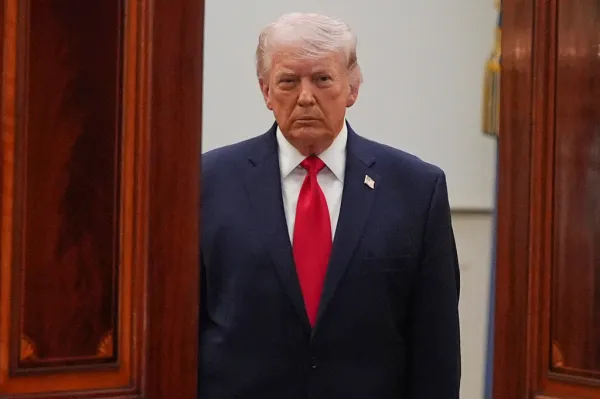
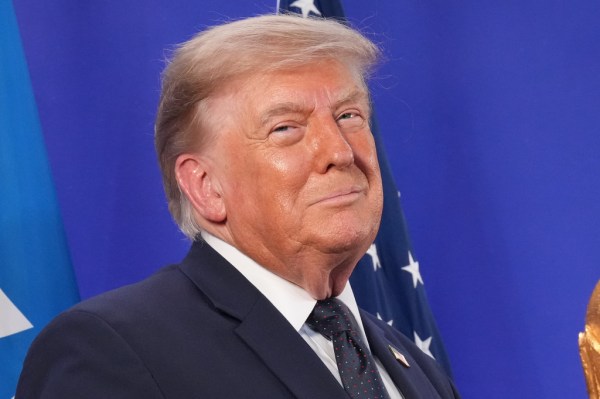
The Trump administration announced nine new drug price reduction deals with midsize pharmaceutical companies in an effort to continue lowering prescription drug costs ahead of the November midterm elections.
President Donald Trump said Monday during an Oval Office event that the new deals are “as big as it gets medically.”
Recommended Stories
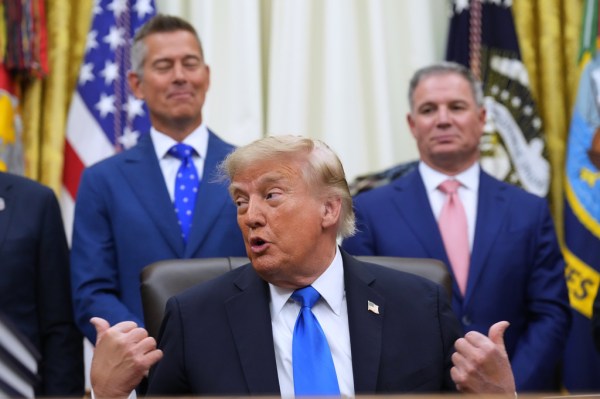
“It’s the largest drug discount, the largest price reductions in the history of medicine,” Trump said. “I would say that’s pretty big.”
The nine companies are Alcon, Astellas Pharma, BeOne Medicines, BridgeBio, CSL, Kyowa Kirin, Sun Pharma, Teva Pharmaceuticals, and UCB.
They joined 17 larger drugmakers in signing most-favored-nation drug deals with the Trump administration, agreeing to reduce the prices at which their drugs are sold in the United States to the same level as the lowest on the market in other developed countries.
Trump said the nine new companies have agreed to “offer all of their drugs to state Medicaid programs at most-favored-nation prices” and offer all new medications to U.S. consumers “at the lowest cost anywhere in the world.”
Pharmaceutical prices fell by 0.8% in July and are down 3.1% from last year, the steepest annual decline in more than 60 years, according to the most recent Consumer Price Index report.
Chris Klomp, senior adviser to Health and Human Services Secretary Robert F. Kennedy Jr. and chief negotiator of the MFN deals, said the drop in drug prices is a result of the drug pricing deals as well as TrumpRx, the aggregator website.
“These are real impacts for everyday Americans in their pockets,” Klomp said. “It’s affordability. It’s the president fighting for affordability. It’s the president honoring the promise to fight for affordability and doing it in one of the most conspicuous places possible, which is at the pharmacy counter.”
Trump also said the companies are committing “billions of dollars to research and development in the United States.”
The president credited the threat of tariffs on foreign imported drugs and what he called his “America First” trade policy for getting pharmaceutical companies to invest in drug production in the U.S.
He also said the pharmaceutical companies that signed on to Monday’s deal are committing to contribute a combined 290 metric tons of active pharmaceutical ingredients to the U.S. strategic reserve.
“By stockpiling such materials in vast quantities, we can ensure Americans are never left without them in the event of an emergency,” Trump said.
Dr. Heidi Overton, a White House health policy adviser and Trump’s nominee for Food and Drug Administration commissioner, said the administration’s goal ought to be maintaining dominance in cutting-edge research in addition to onshoring drug manufacturing.
“We want every part of clinical research, clinical trials done here in America to both protect our national security and to make it more affordable,” Overton said. “And under your leadership, we can do both.”
Administration officials have been pressuring Congress to codify MFN drug deals into law so that the reductions in prices cannot be undone by another administration.
AMERICANS CARE MORE ABOUT HEALTHCARE AFFORDABILITY THAN GAS OR GROCERIES
Trump said he does not imagine that the next president “would be brave enough” to reverse his policies and inevitably raise prescription prices.
“But it’s still good to have it codified, have it approved by Congress,” Trump said.