Inside Israel’s ‘war room’ of rivals

Published September 7, 2026 6:00pm ET


“There are decades where nothing happens; and there are weeks where decades happen,” Vladimir Lenin allegedly said. In the Middle East, entire centuries have effectively unfolded since Hamas and other Iranian-backed terror groups invaded Israel on Oct. 7, 2023, and sparked a war that forever altered both the region and the world itself.

In their new book, In the War Room: The Inside Story of Israel’s Fight Against Hamas and the Iranian Axis, authors Yonah Jeremy Bob and Elliot Kaufman examine what is arguably Israel’s most personal war to date. 

Israel is no stranger to war. Indeed, the Jewish state’s rebirth in 1948 was marked by gunfire and invasion by multiple armies. Israel has had to fight no fewer than a dozen conflicts since, each of varying intensity. Many have been short. Israel’s 22-day-long Operation Cast Lead against Hamas in 2008, or the 34-day war against Hezbollah in 2006, are representative of this. 

The brevity of these conflicts reflects an important fact: Israel is a small country, both in population and size, and its military is reliant on reservists. Simply put, it can’t afford to fight wars of long duration. The costs, economic and otherwise, are too high. Or so it has long been thought.

But the past is not always a prologue. 

Israel’s latest war has been its most taxing in half a century. And the rules of the game have been rewritten. 

What was initially known as the October 7 War or the Simchat Torah War has morphed into a series of wars that have stretched on for nearly three years. A war against Hamas, Iran’s foremost proxy in Gaza, eventually expanded into a war against the Islamic Republic itself.

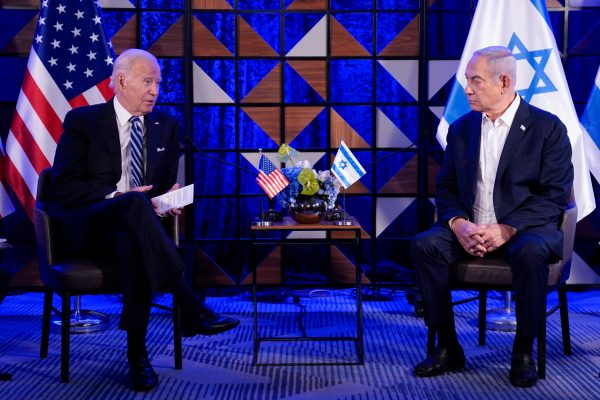
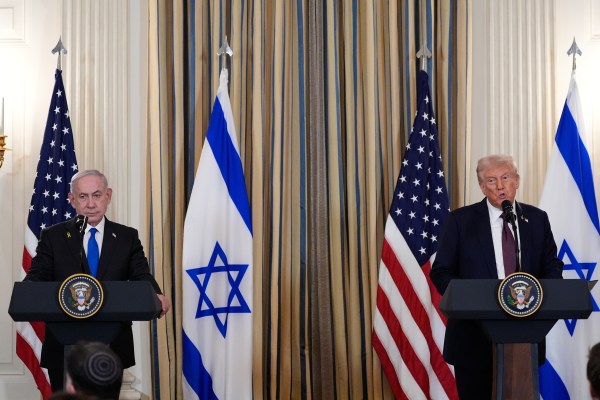
Occupants of the Oval Office have changed. Israel has eliminated so many top leaders of Hezbollah, Hamas, and Iran that it’s difficult for even the most astute analyst to keep track. But through it all, one man has continued to hold the reins of power.

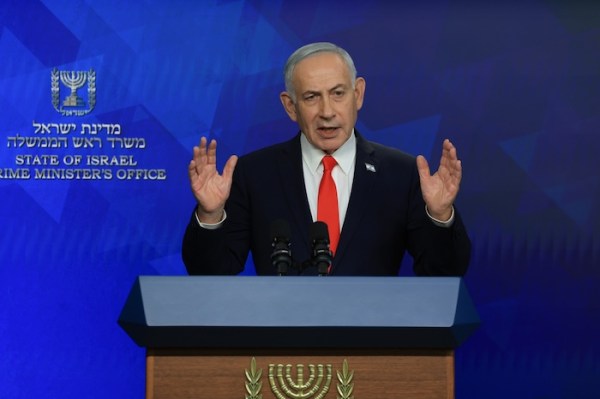
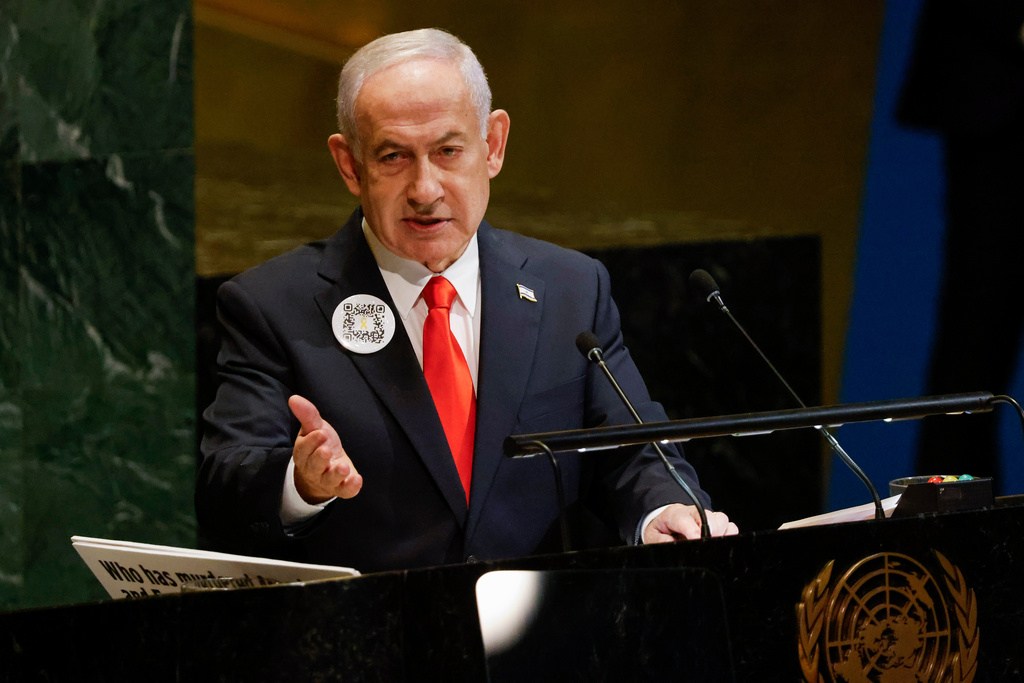
Israel’s Benjamin Netanyahu is a political survivor par excellence. A saying, popular among pollsters and prognosticators alike, advises to “never count Bibi out.” It’s a smart bit of advice.

Israel’s longest-serving prime minister has overseen the war, from its frightful beginnings in the early morning hours of Oct. 7 until today.

But Netanyahu has often faced severe constraints, as In the War Room ably documents.

Netanyahu, the head of a parliamentary democracy, has contended with a real team of rivals, one that was often composed of political opponents both from the past and the future. Moreover, Israel is also reliant on good relations with great powers, America foremost among them.

If, as Wiliam Tecumseh Sherman famously said, “war is all hell,” waging war with such a complicated backdrop must be another type of torture all together.

Other books have been published telling the story of the tragedy of Oct. 7 and Israel’s response. But In the War Room is arguably the first work to offer a real behind the scenes account of decision making at the highest levels of government.

The picture that emerges is suitably complicated. Those looking to bash or cheer Bibi, Israel, Donald Trump, or Joe Biden are sure to be disappointed. The authors are not looking to score points.

And far from being the reckless warmonger that the United Nations, Hamas, and Tucker Carlson portray him to be, Netanyahu is shown to be extraordinarily cautious. Bibi, it is clear, can and will gamble, but he’s going to do his homework before he bets the house.

For longtime observers of Israel, this is no surprise, but Bibi’s caution, particularly in the war’s opening stages, is noteworthy. The authors carefully weigh the costs of that caution. Inaction, after all, can have consequences of its own.

Kaufman and Bob chronicle Netanyahu’s transformation and travails as a war leader, from his testy relationship with Yoav Gallant, the country’s former defense minister, to his battles with the Biden administration over Israel’s response to the worst slaughter of Jewish civilians since the Holocaust.

Kaufman and Bob interviewed dozens of leading U.S. and Israeli figures, and it shows. Yet it is also clear that they weren’t led around by their many sources.

Readers will benefit from both their access and their dispassionate approach. In the War Room bristles with revelations and insider information. Those looking for juicy tidbits and fly-on-the-wall anecdotes will not be disappointed.

SEAN DURNS: BRINGING THE MIDDLE EAST TO A BOIL

The authors provide revelatory information about Israel’s pager operation against Hezbollah, the strikes on Iran’s nuclear program, Washington’s pressure on Jerusalem, and much else. This is the most well-rounded and well-balanced portrait of the war to date.

As Dwight Eisenhower remarked, “Every war will astonish you.” In Israel, that much hasn’t changed.