
Undecided voters in Maine, Texas, and Ohio who want to see their Senate candidates debate head-to-head before the midterm elections may be out of luck.
The trio of battleground toss-up contests, which could determine whether Republicans keep control of the Senate, are the remaining competitive races this cycle without a televised debate on the calendar. The sagas have devolved into a perennial tug-of-war, in which candidates accuse one another of ducking the camera lights and, by extension, the voters.
Recommended Stories
In Texas, Democrat James Talarico has agreed to three televised debates from late September to mid-October. Republican rival Ken Paxton has not agreed to any but has stated an intent to participate in at least one.
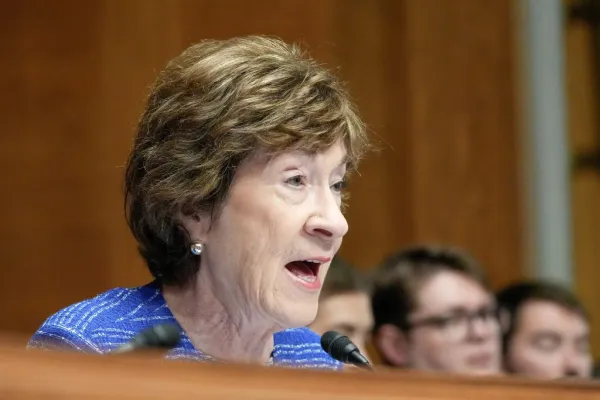
In Maine, it is the Republican, Sen. Susan Collins (R-ME), who has accepted invitations to four televised debates in the coming weeks. Democratic challenger Troy Jackson has not agreed to any and has instead invited Collins to appear at his town halls.
In Ohio, neither Sen. Jon Husted (R-OH) nor former Democratic Sen. Sherrod Brown has agreed to a debate. In 2024, Brown and now-Sen. Bernie Moreno (R-OH), who ousted Brown, both expressed desires to face off on the debate stage but ultimately never did.
In contrast, the equally contentious and competitive Senate races in Alaska, Georgia, Iowa, and Michigan have already held or agreed to hold at least one debate.
Paxton, who has not participated in a debate since being elected Texas attorney general in 2014, will not debate “because he answers to his billionaire handlers,” Talarico said in a statement. The state representative and his campaign have even cut digital ads provoking Paxton to “prove us wrong” that “your billionaire handlers will finally let you onstage” and saying Talarico is “not chicken.”
The Collins campaign made an offer to the Jackson campaign to hold next week’s debate any day Monday through Thursday but had yet to receive a response, according to Collins spokesman Shawn Roderick.
“Troy still hasn’t committed, despite eagerly participating in more than four gubernatorial debates and additional forums earlier this year and telling reporters more than a week ago that he’d debate ‘tomorrow,’” Roderick said in a statement, referencing his prior bid this cycle for Maine governor and a Senate primary debate. “Why won’t he debate now that he’s running for the Senate?”
The New Hampshire Senate race, another competitive seat, will hold its party primaries Tuesday.
The debate jockeying can also be a power struggle for media hosts as much as it is for candidates. National, state, and local outlets, which can involve both broadcast and print reporters, will extend invitations to both sides for a proposed date, time, and place. But unless they can get both candidates to agree to show up, they could lose out on hosting a debate to competing outlets.
It was commonplace in years past for Senate races to feature multiple televised debates in the weeks and months leading up to the November general election. But less so is the case nowadays, with candidates viewing the risks as outweighing the benefits and frequently opting for only one debate, if any.
THUNE SAYS REPUBLICANS AT RISK OF LOSING SENATE MAJORITY: ‘I WORRY ABOUT THAT’
In the 2010 cycle, the five most competitive Senate races featured a combined 17 general election debates, an average of a little more than three debates per contest, according to a Brookings Institution analysis. By 2020, that number had dwindled to seven, averaging just over one debate per race.
“In our hyperpolitical world, how campaigns — and candidates — conduct themselves matters,” Brookings wrote in its 2022 analysis. “They thus do democracy a service when they buck the trend and meet on the debate stage — a message they can champion as Americans fret over the future of the nation’s politics and governance.”
