All traditions must be created. Conservatism, as we know it, is a tradition created after 1945. It rested on two pillars. Each was a synthesis, constructed for the needs of its time. Its ideology was the “Burke to Kirk” syllabus, a heritage of liberty from Edmund Burke to Russell Kirk. Burke and Kirk were patricians, “elitists” as we would now say. The intellectual license to govern still needed a popular stamp. The “fusionism” of Frank Meyer identified the tripartite voter alliance that could win elections at home and the Cold War abroad: social conservatives, free-marketeers, and a forward foreign policy.
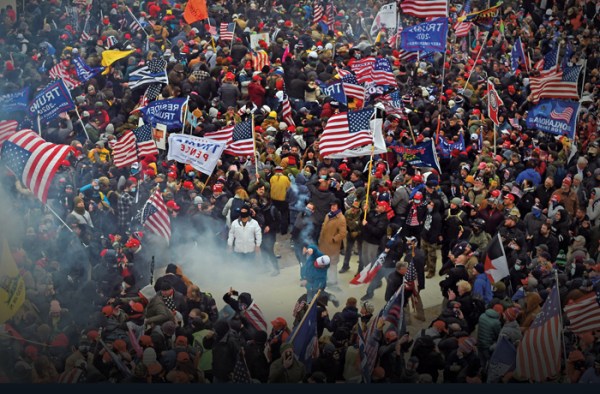
This alliance peaked in the 2000 elections and the patriotic unity that followed the 9/11 attacks. It started to crack in 2003, with the misconceived and unpopular Iraq War. It came apart entirely after the crash of 2008. Since then, we have seen the emergence of a “New Right” in America. Some of the New Right’s roots are in the Old Right: The rise of Donald Trump raised the ghosts of Andrew Jackson, the Know Nothings, the Old Right, and Pat Buchanan’s 1990s presidential campaigns. But the New Right is also innovative and future-oriented. It coalesced around Trump in 2016 and currently orbits the second Trump White House with an eye on the 2028 succession. It has assembled the elements of what I would call a “second fusionism.”