

Earlier this month, President Trump signaled the second part of his administration’s efforts at criminal justice reform would focus on helping formerly incarcerated people reenter society. Now, a bipartisan group of lawmakers is working to make one of those reforms law.
On Tuesday, Sens. Brian Schatz, D-Hawaii; and Mike Lee, R-Utah; along with Reps. Danny Davis, D-Ill.; and Jim Banks, R-Ind.; reintroduced legislation, termed the REAL Act, that would restore Pell Grant eligibility to those behind bars. Lifting the Clinton-era ban originally passed in 1994 is exactly the kind of reform that that Trump should focus on in his drive to make American great again.
Recommended Stories



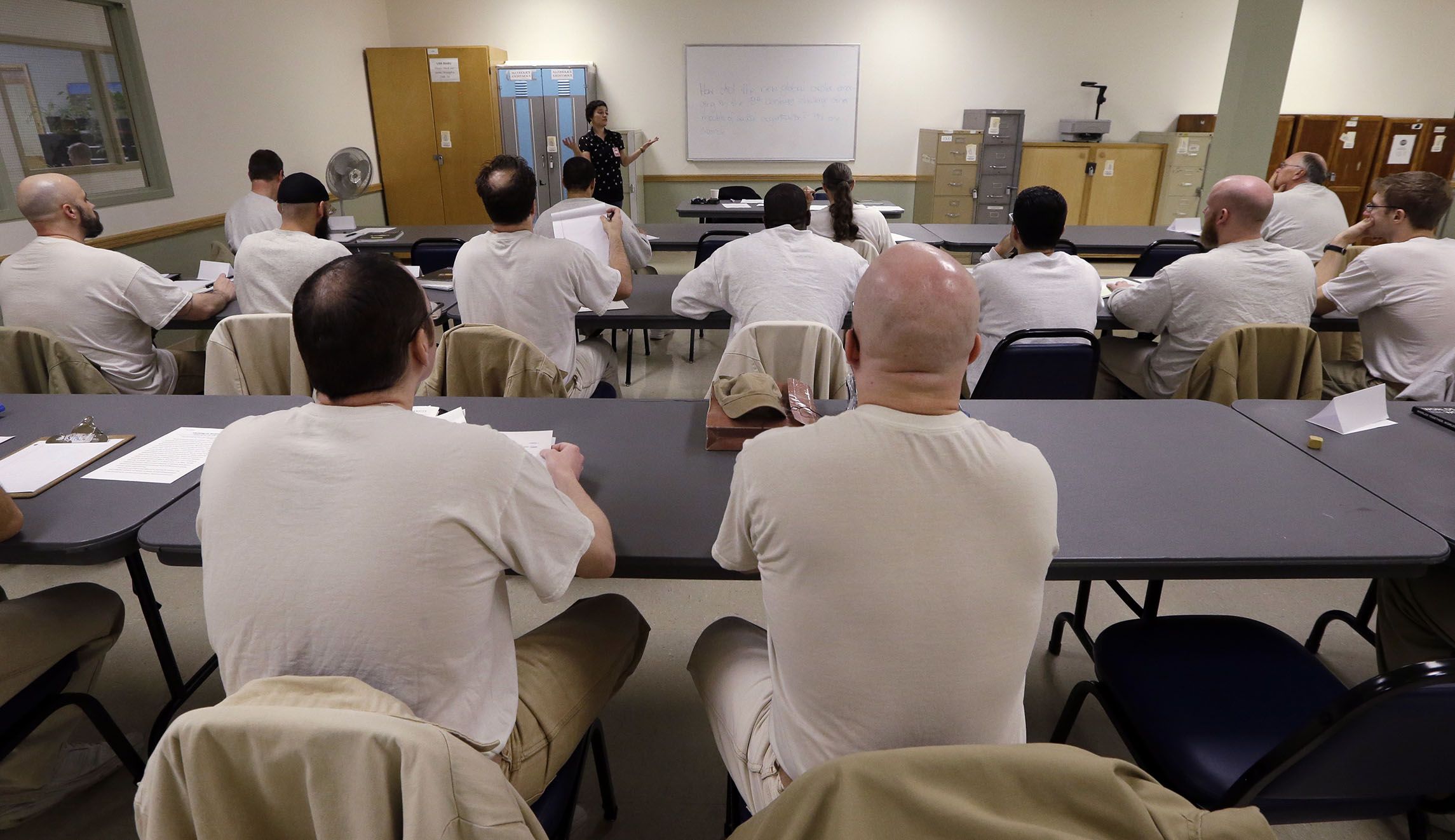
Most people currently in federal and state prisons will eventually be released. According to a report from the Vera Institute of Justice and the Georgetown Center on Poverty and Inequality, more than half, about 64%, already have a high school diploma or GED certificate at the time of their incarceration, making them academically eligible to enroll in post-secondary education. Many more will complete their secondary education from prison. For most, education opportunities in prison stop there. One reason is the federal ban on Pell grants for those behind bars — only 2% will ever be awarded even an associates degree.
Repealing the ban would dramatically increase access to educational opportunities: of the nearly 1.5 million people in prison, an estimated 65% are eligible for Pell grants, according to the Vera institute.
Recidivism decreases when inmates are better prepared to find work after their release. Trump is right to try to fix that, and his actions in this regard are a strong example of real leadership.
