
A joyful season opener for the National Philharmonic

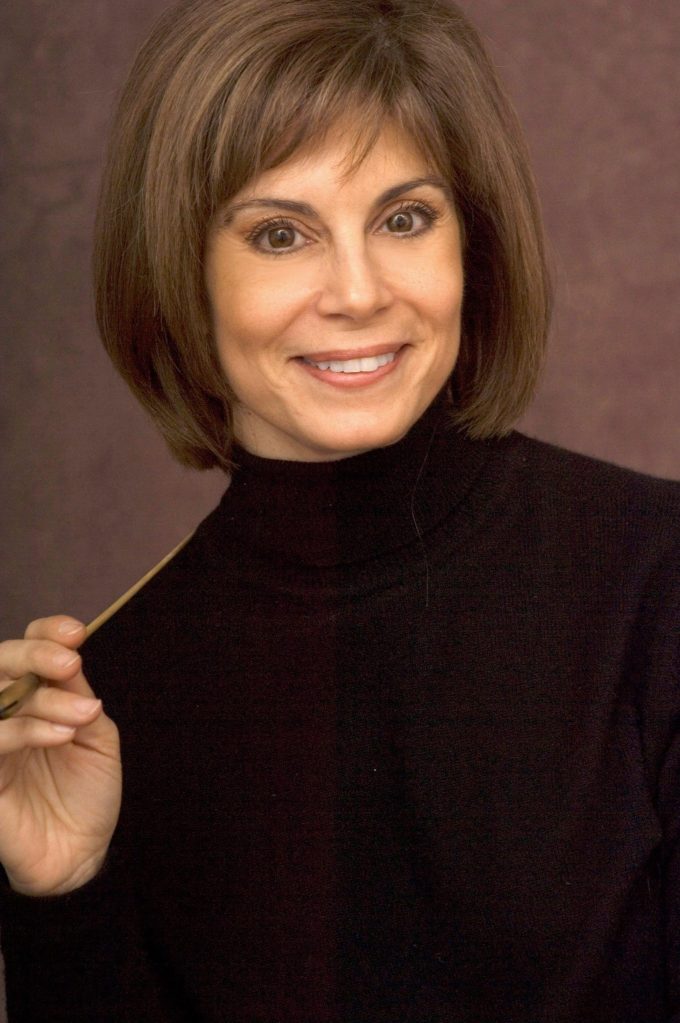
Of all the great works in the Beethoven canon, there is never an inappropriate time to perform his Symphony No. 9, “Choral.” For this reason, it is an auspicious beginning to the National Philharmonic’s 2011-2012 Season. Performing in its home at the Music Center at Strathmore this weekend, the orchestra, as well as the National Philharmonic Chorale, will be led at the podium by JoAnn Falletta, music director of the Buffalo Philharmonic, substituting for Piotr Gajewski.

“The [National Philharmonic] is the kind of organization that draws great artists from a wide region, and I like that,” said Falletta, herself a guest conductor of many of the world’s finest symphony orchestras. In North America alone, she has conducted more than 100 orchestras.

Onstage
National Philharmonic Orchestra Season Premier
Where: Strathmore, 5301 Tuckerman Lane, Bethesda
When: 8 p.m. Saturday, 3 p.m. Sunday
Info: $32 and up, ages 7 to 17 free; 301-581-5100; nationalphilharmonic.org

“I like the chemistry of people coming together to make music; people from different areas and backgrounds,” she continued. “I always think there’s a certain sort of vibrancy to that.”

Valletta remembered that when the philharmonic invited her to conduct the Beethoven Ninth, she was thrilled.

“This is the most famous piece in the classical repertoire,” she noted. “The melody of the last movement [“Ode to Joy”] is so universal that everyone knows it.”

Not everyone may know, however, that Beethoven’s greatest work is one of optimism recalling the demise of Napoleon while looking toward a future filled with the hope of peace and brotherhood. The climax features the nearly 200-voice National Philharmonic Chorale along with vocal soloists Esther Heideman, Patricia Miller, John Aler and Kevin Deas.

Corigliano’s emotional “Red Violin” Concerto is also on the program and will be performed by violinist Michael Ludwig, who was recently praised by Strad Magazine for his “effortless, envy-provoking technique … sweet tone, brilliant expression and grand style.” Following the score of the 1998 film of the same name, the “Red Violin” Concerto musically evokes the story of a magnificent but haunted violin and the people it affects over a span of three centuries.

“This is a contemporary, but very beautiful piece,” Falletta affirmed. “It shows that [concertos] written just a few years ago can be extremely moving, and very lyrical. And romantic, too.”

Related Content