

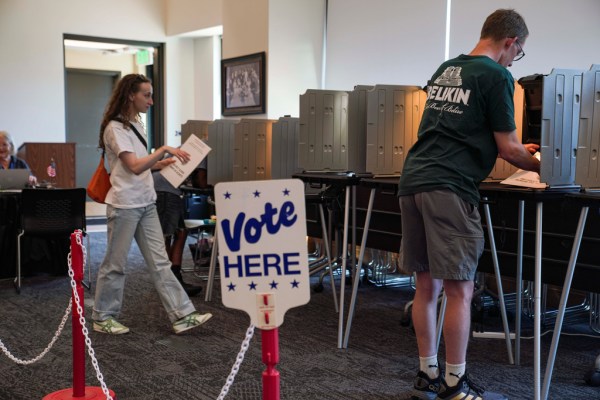
The 2026 midterm elections will be analyzed in terms of winners, losers, and competing policy agendas. Yet an election result does not answer a more fundamental question: Did voters embrace the winning party, or did they simply reject the alternative? And what about the eligible voters who chose neither?
This distinction is central to a phenomenon political scientists call negative partisanship: political behavior driven more by opposition to the other party than by enthusiasm for one’s own. A vote can be an endorsement, but it can also be an act of rejection. Treating the two as interchangeable risks misunderstanding the electorate.
Recommended Stories

Print subscriber? Click here to login/register your account
Digital subscriber? Click here to login/register your account.