

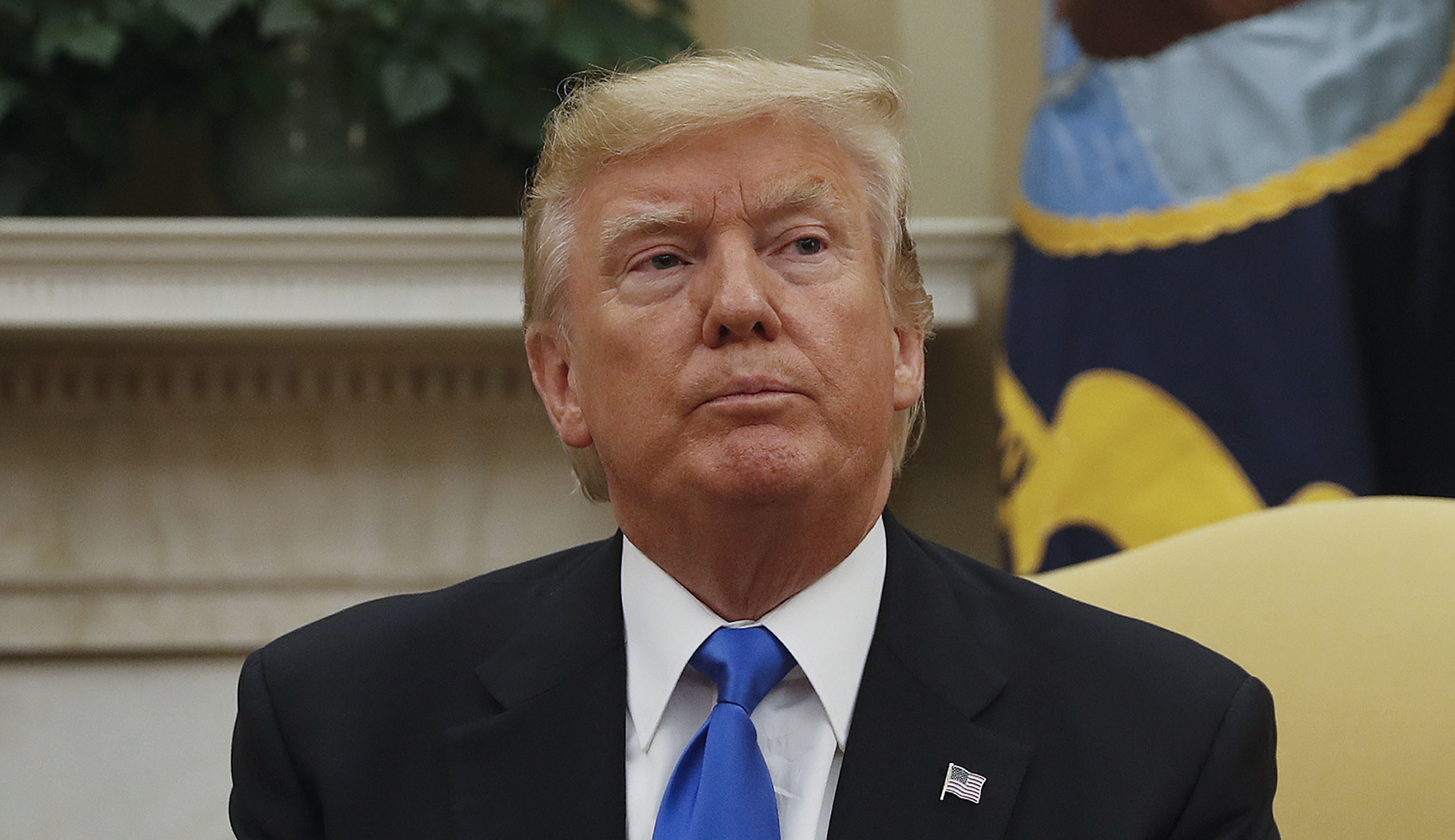
The Senate passed a bill on Thursday that would slap sanctions on Russia for meddling in 2016 election, clearing the bill for President Trump, who has sent mixed signals about whether he will sign it.
The bill overwhelmingly passed by a 98-2 vote.
Recommended Stories


“This bill will give us the strongest possible hand to stand up against the aggressions of Russia,” said Sen. Ben Cardin, of Maryland, who is the top Democrat on the Senate Foreign Relations Committee. “Russia attacked us on our Democratic institutions,” has invaded Ukraine “and is participating in war crimes in Syria.”
The bill includes the provisions from a Senate-passed measure plus changes made by the House, which passed it overwhelmingly earlier this week.
The bill also sanctions North Korea over its nuclear program and Iran for its ballistic missile program and sponsorship of terrorism.
Final passage was delayed for weeks after Senate Foreign Relations Committee Chairman Bob Corker, R-Tenn., said he wanted to have a say in the North Korea sanctions, which were added by the House. The two chambers worked out a deal late Wednesday in which Corker agreed to pass the House bill in exchange for House consideration of additional Senate legislation sanctioning North Korea.
Trump has not pledged to sign the bill but it has near unanimous congressional support and lawmakers could potentially override a veto.
Trump has been working to rehabilitate U.S. relations with Russia, but Democrats and Republicans are eager to punish the country for its involvement in hacks impacting the 2016 election.
The bill makes it difficult for Trump to wave sanctions against Russia by requiring congressional approval first.
“This bill will prevent President Trump from relaxing sanctions on Russia without congressional review,” Sen. Sherrod Brown, D-Ohio, said. “We are all concerned about that.”
Sen. Armed Services Committee Chairman John McCain, R-Ariz., said the bill would send a strong message to Russia “that we will not tolerate attacks on our Democracy.”
Russia has long denied meddling in the U.S. election, which involved mostly hacking into Democratic Party email servers and failed attempts to glean information from voting systems.
Russian President Vladimir Putin on Thursday threatened to retaliate if the sanctions are enacted.
The bill would codify into law the sanctions placed on Russia by former President Barack Obama before he left office. It adds new sanctions on “key sectors of Russia’s economy,” according to the Senate Foreign Affairs Committee, including mining, metals, shipping, and railways.
The sanctions would also target “corrupt” Russian individuals, such as those perpetuating human rights abuses or supplying weapons to Syrian President Bashar Assad.
