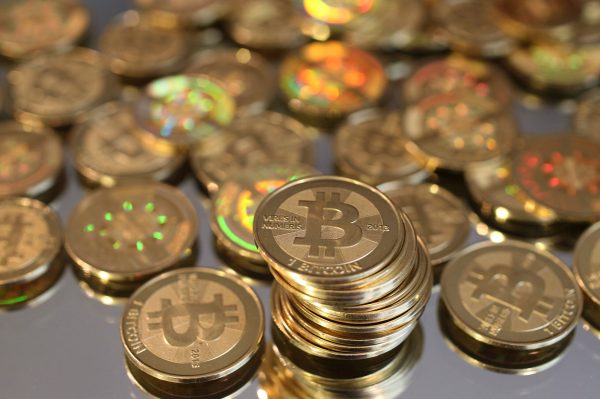
“Bitcoin” is the most widespread, cryptographically-secure Internet currency. It was created in 2009 by someone (or someones) who referred to themselves as “Satoshi Nakamoto.” Once it was released into the wild, the bitcoin currency ecosystem operated on a public, inalterable schedule. We know exactly how many bitcoins there are in existence today (12,446,725) and how many there will eventually be in total: when the 21 millionth bitcoin is minted, the plates automatically self-destruct. (This is a metaphor, of course. There are no minting “plates,” and nothing’s going to actually explode.) If you want to read the whole Wikipedia entry on bitcoin, have at it.
The genius of bitcoins is that they’re completely untraceable. Cash-money is anonymous and liquid, but even it has limitations—it must be used in face-to-face encounters; dollars have serial numbers on them, and if The Dark Knight is any guide, paper notes can be surreptitiously marked in many ways. But if cash is liquid, bitcoin is totally frictionless. As such, it is the first piece of computer technology to pose a fundamental challenge to the nation-state. That’s because the minting of legal tender is one of the base functions of government. And the person (or persons) who created bitcoin did so with the explicit goal of undermining the idea of sovereign governments.