

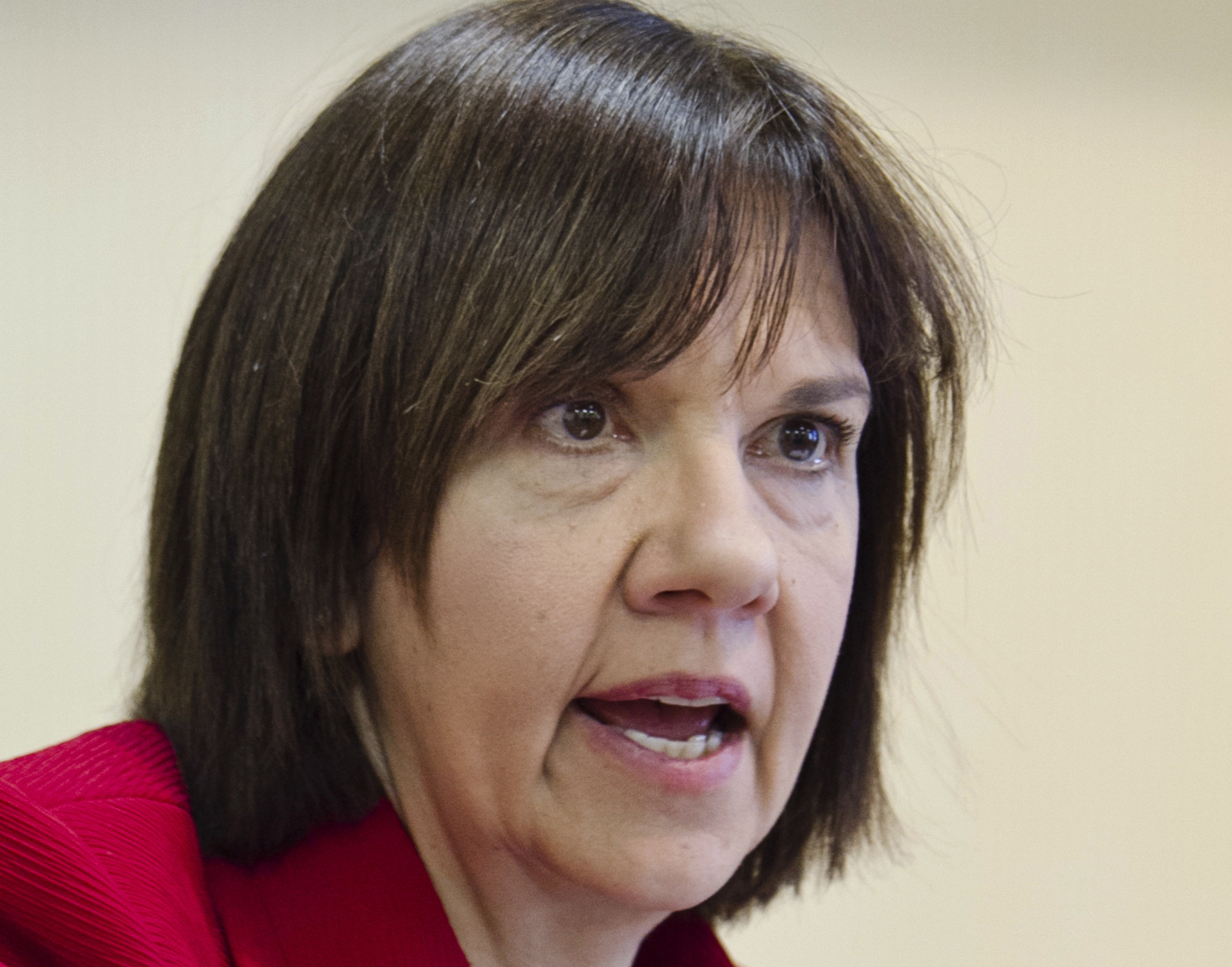
Federal Energy Regulatory Commissioner Cheryl LaFleur said Friday it’s hard to envision a “big” energy debate taking place on the Hill going into a presidential election year.
The former chairwoman of the nation’s five-member utility regulator appeared to be downplaying prospects for passing a comprehensive bill this year, as the Senate’s Republican energy committee chief, Lisa Murkowski of Alaska, says she is aiming to do by the close of the year.
Stay informed.Stay ahead.
Join Washington Examiner for unlimited access to the news, analysis, and commentary that matter most.
Already a member? Log in
“I would love to see a big debate on the Hill about what we’re going to do about [energy], rather than just defunding what you don’t like,” but “it’s hard to envision [that] right now in this presidential year,” LaFleur said, addressing a forum at the National Press Club.
LaFleur served as the head of the nation’s utility regulator until April, when she stepped down under a deal worked out between the White House and Republicans after the nomination a Norman Bay, the president’s pick to lead the commission, was held up.
LaFleur will continue to serve on the federal agency’s five-member panel as a commissioner, with Bay now taking the helm. GOP senators held up Bay’s nomination over concerns that he had been too heavy-handed with industry in his former role as the commission’s head of enforcement.
La Fleur would not get specific about the areas of legislation that she would like to see passed, saying only that she was aware of several bills being introduced by Murkowski and others in the last few weeks.
Energy & Natural Resources Committee chairwoman Murkowski dumped 17 pieces of legislation last week and launched into hearings in an effort to pass a comprehensive bill by the end of the year.
Some of the bills address FERC rules on transmission and other policies.
“I think a lot has happened since the last big piece of legislation, and I think some of that debate would be very healthy,” LaFleur said. “What I see being talked about more is special purpose tweaks to the laws to fix things that might be bundled into an omnibus” bill, she added
“We’re certainly hearing a lot more about [energy legislation] in the last few weeks than we have for the several years since I’ve been in D.C., so you have to think it’s more likely than before,” LaFleur said. “But it’s still early in the process.”
