

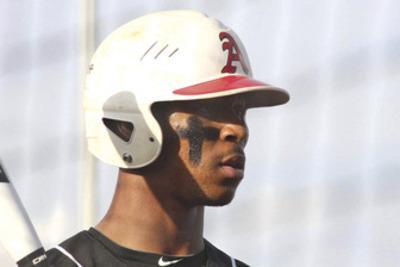
Major League Baseball tried for years to rein in the chaos that had become its annual draft. There was no lottery here. If you finished with the sport’s worst record, you usually earned the first crack at the best player. The problem was that far too often a small-market club was unsure whether it actually could afford to sign the top talent. So while the draft process in the NFL, NBA and NHL played out purely on a scouting basis, baseball became a more complicated game of “Who is the best player we think we can actually sign?”
Recommended Stories


After trying to coerce its teams into following suggested guidelines — known in the industry as “slots” — league officials finally dispensed with the pretense during last year’s round of collective bargaining talks with the MLB Players Association and instituted a salary cap system. Some clubs, like Houston and the Chicago White Sox, often followed those slots explicitly and were rewarded with barren farm systems, while teams like the Nationals, Yankees and Red Sox threw bonus money around like it was candy. This year, teams must stick close to a given slot number on high draft picks or pay a heavy tax and even lose future draft picks.
Will the new system work? The first round began Monday, and the event lasts until Wednesday, so that remains to be seen. But teams still can choose a lesser player in the first round and save their cash for later on the off-chance a talented player drops. They just aren’t spending as much to do so anymore, and in the end that really only helps one thing: the owners’ bottom line.
– Brian McNally
