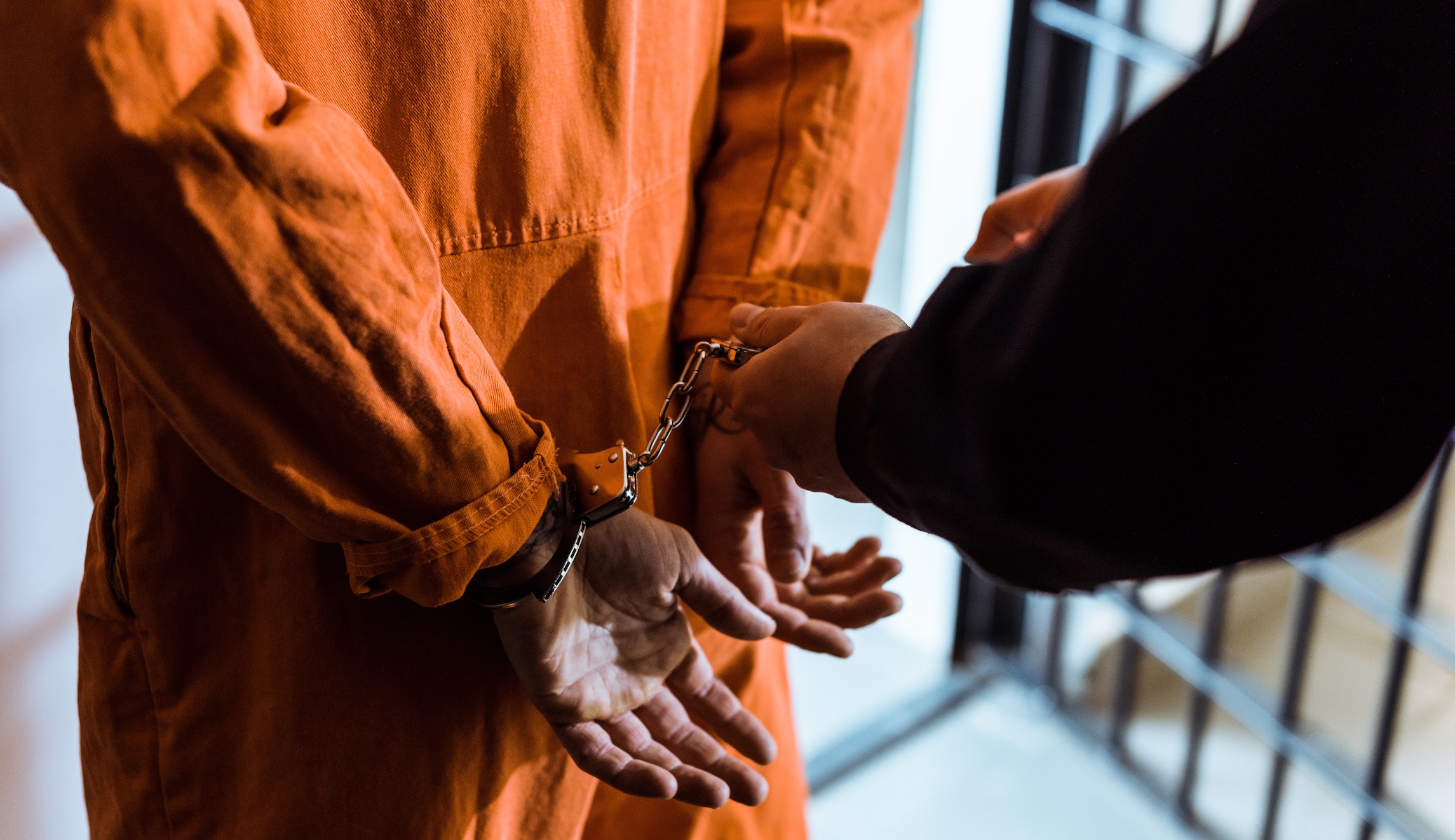
There is a humanitarian crisis in our nation’s prisons and jails. Many Americans likely don’t know or care about this crisis, but they should. A recent report showed that half of all American adults has had an immediate family member serve time in prison or jail. And the rest of us are paying for these facilities and the salaries of those who commit abuses. We can’t afford to look away anymore, because the people we’re ignoring are our friends, neighbors, and families.
Every day there’s another story. In Alabama, the Justice Department recently concluded that the level of violence, sexual abuse, and weapons in that state’s prisons has created conditions that violate the Constitution. Arizona’s governor was forced to convene a task force to determine why broken cell locks, which led to the death of a state prisoner and assaults on corrections officers, were neglected for years.
In Florida, a dozen former and current employees at one prison confided to a local newspaper reporter that some of their colleagues had physically abused and starved prisoners. Last month, a mentally ill woman was forced to give birth to a child while left alone in an isolation cell of a Florida jail. And in Ohio, a 36-year-old veteran being held on drug charges committed suicide earlier this month, becoming the ninth person to die in Cleveland’s notoriously inhumane Cuyahoga County jail during the past year.
What is going on? Why is this happening?
As someone who has served time in federal prison and now runs a nonprofit organization fighting for sentencing and prison reform, I see two main reasons for the barbaric conditions in our nation’s prisons and jails.
The first is that many people believe that those who commit crimes deserve whatever happens to them. When they say, “Don’t do the crime if you can’t do the time,” that includes anything that might happen to you while you are locked up. After all, it’s your fault you are there.
A friend of mine is a high school social studies teacher, and she asked me to speak to her class about my experience both as a federal lobbyist and a federal prisoner serving time for public corruption charges. I gave my spiel and asked the class to ask me any questions they had on their mind. We discussed a lot of important issues before one boy raised his hand and asked if I ever “got it in the butt.”
A bunch of kids in the class laughed. I admitted that others had asked the same question, albeit with a little more tact. But I asked them to think about the issue for themselves. Specifically, I asked them if it would be OK if someone like me, sentenced to 20 months for a nonviolent offense, was raped in prison. Why, in fact, would it be OK for that to happen to anyone serving time for any crime? No judge sentences anyone to a term of rape, torture, or other physical or mental abuse. Being away from one’s family, friends, and community, often with only limited and expensive options for staying in touch, is supposed to be the punishment. Sadly, these high school kids were not unlike many adult Americans who don’t care how bad life behind bars can be.
For every person who doesn’t care how horrifying prisons are, there are others who just don’t know. Ignorance is the second reason why our prisons and jails are filled with abuse. Unlike almost every other area of government action, there is very little oversight of these government institutions and employees. We know sunlight is the best disinfectant, but our prisons and jails are the darkest places in our country. Complaints from people inside prison and their families often go unheeded. Abuses are swept under the rug. We’ve passed laws that make it nearly impossible for prisoners to sue and get relief when their rights are violated, too.
It is time for every prison and jail in this country to be subject to vigorous, independent oversight. States could allow citizen volunteers to have access-on-demand to prisons, as is the case with Pennsylvania’s Prison Society. Or states could create an independent ombudsman with the authority to oversee the conditions of confinement and treatment of prisoners, as affected family advocates are proposing in Texas, Florida, and elsewhere. Whatever the mechanism chosen, we must address the humanitarian crisis taking place in our nation’s prisons and jails before it gets even worse.
Kevin Ring is president of Families Against Mandatory Minimums, a criminal justice reform advocacy organization. A former congressional staffer, Ring was sentenced in 2011 to 20 months in prison on corruption charges connected with his work for lobbyist Jack Abramoff.
