

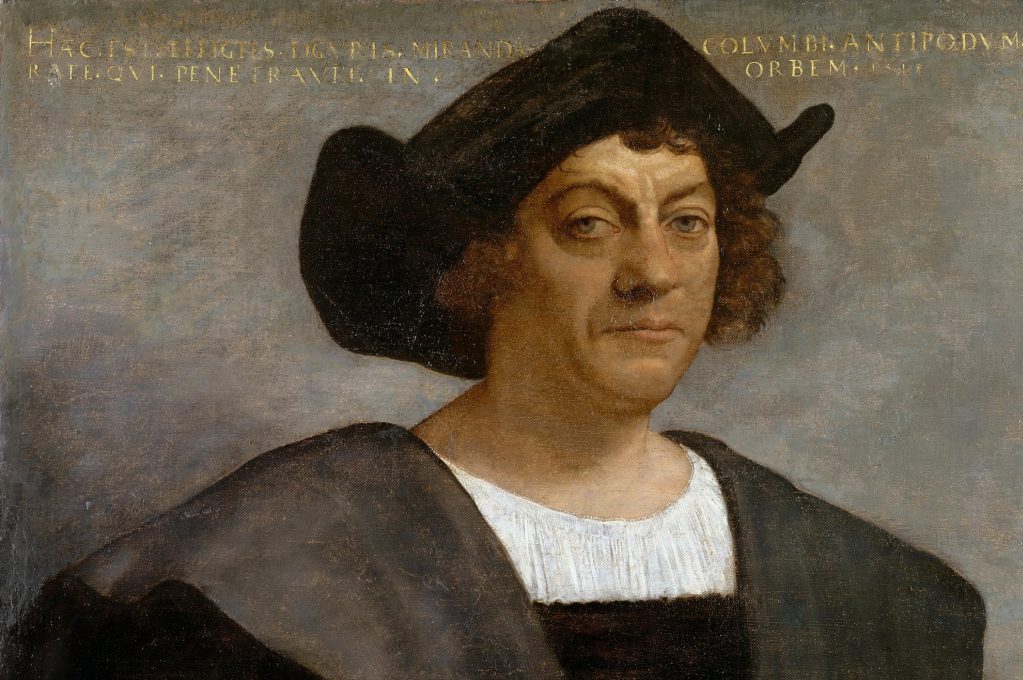
When Christopher Columbus first made landfall on an unknown Caribbean island, Henry VII sat on the throne of England. Nicholas Copernicus was a young man studying at the University of Krakow, and decades away from publishing his theory of a heliocentric universe. Martin Luther was a 9-year-old boy.
The kingdoms of Castille and Aragon had only recently united through marriage, and now comprised most of what we now know as Spain. This was the context of Columbus’ famous voyage on behalf of the Spanish crown. The unification that it brought about, between the Old World and the New, was then and still is one of the most consequential achievements by any single man since the modern era began.
Stay informed.Stay ahead.
Join Washington Examiner for unlimited access to the news, analysis, and commentary that matter most.
Already a member? Log in
