

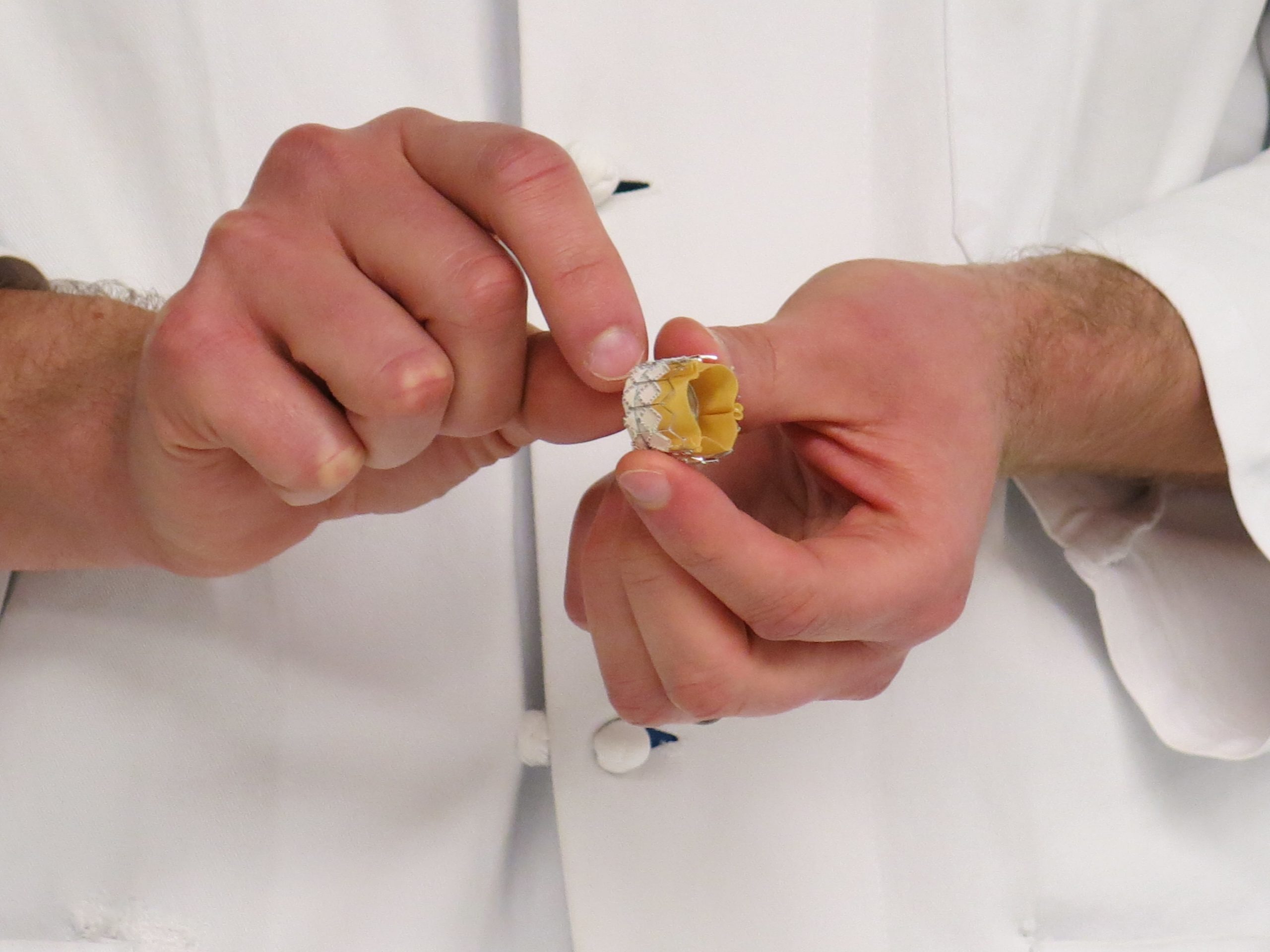
High-risk medical devices aren’t studied enough before and after hitting the market, according to new research that questions a popular bill that would speed the process of approving such devices.
Recommended Stories


The Food and Drug Administration generally wants device companies to conduct two robust clinical trials to examine high-risk equipment. But a new study of nearly 30 such products found the number and quality of pre- and post-market studies varied widely.
The devices examined include stents, heart valve and hip implants and catheters.
The finding comes amid a major push by the House Energy and Commerce Committee to get the 21st Century Cures Act signed into law.
The bill, which passed the House by a wide margin last month and is now before the Senate, creates a new approval pathway for breakthrough medical devices that treat life-threatening diseases. Critics took aim at the fast pathway.
“I am not exactly sure that this pathway is really needed,” said Joseph Ross, associate professor at Yale University and the senior author of the study. “I don’t think the regulatory burden is so high that we need to reduce evidentiary standards.”
A July op-ed in the New York Times questioned whether the breakthrough pathway will allow devices to be approved on anecdotal information rather than hard scientific studies.
“The 21st Century Cures Act would subject millions of Americans to unsafe or untested medical devices,” according to cardiologists Rita F. Redberg and Sanket S. Dhruva.
The bill’s proponents hit back hard. Nothing in the bill would change the agency’s approval standards, and the FDA can still pull unsafe devices, according to an op-ed written by the device group Advanced Medical Technology Association.
“The legislation explicitly states that this information may be used to supplement clinical trial data, not supplant the rigorous agency standards already in place,” according to another editorial by Marc Boutin, chief executive of the National Health Council, a coalition of patient groups and health-related organizations.
The new study of high-risk devices took aim at the implementation of those approval standards.
Researchers looked at the 28 products approved by the FDA from 2010 to 2011. There were 286 clinical studies of these devices, with 82 before approval and 204 after.
Researchers found that about half of the premarket studies didn’t compare the device to the current method of treatment.
In addition, five of the 28 devices didn’t have any post-market trials and only three or fewer studies were identified for 46 percent of the devices, the study found.
The FDA usually asks for at least one post-approval study of a high-risk device, but there is no hard-and-fast rule.
Ross said he would like to see additional studies on a device that had only one premarket study.
The study found a major problem with the length of time it takes to get a post-approval trial finished. About 13 percent were completed three to five years after FDA approval.
Ross said such trials should be wrapped up sooner, especially if the evidence used to approve a device wasn’t robust.
The FDA told the Washington Examiner that some post-approval studies are longer than three to five years so the time shouldn’t be worrisome. The agency said it uses a variety of sources to rigorously review and monitor devices, such as medical device safety reports sent by device manufacturers.
AdvaMed told the Examiner it supports rigorous post-market surveillance, but it is important to balance that burden against the needs of patients.
“Requirements that are too burdensome will discourage development and dissemination of new treatments and cures,” the group said.
The group said the use of unique device identifiers that put universal barcodes on products to identify them quickly and electronic medical records could further strengthen post-market regimens.
