

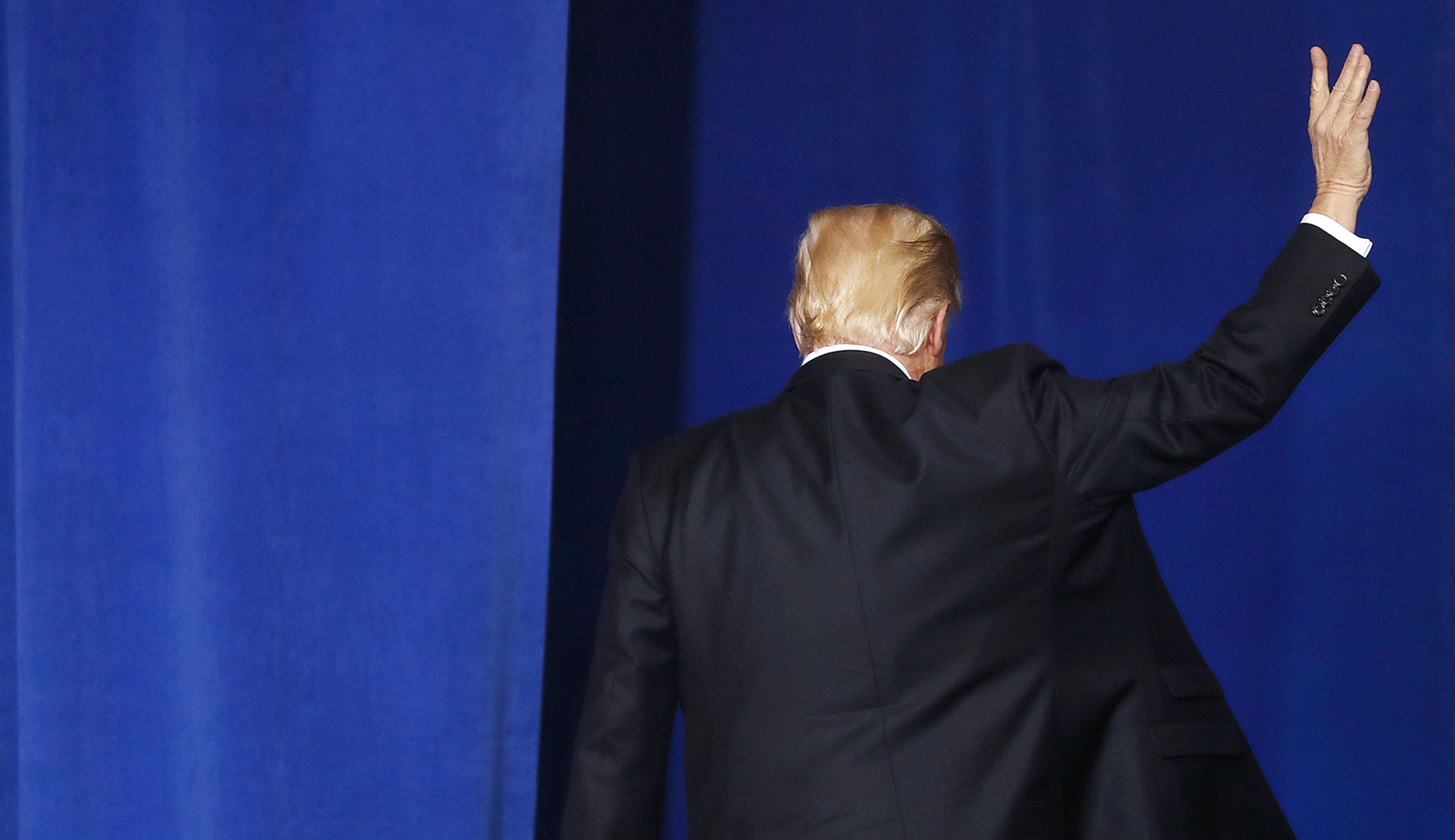
As conservatism takes its new shape in the face of President Trump’s takeover of the Republican Party, old alliances have been fractured, and multiple fights have broken out about what conservatism should look like. Many of those who waded into the debate have assumed, not without justification, that recent political developments have shattered limited-government conservatism and that any future conservatism is likely going to be less libertarian than that which preceded Trump. But there are a number of good reasons to believe that limited-government conservatism will make a comeback.
Trumpism has managed to expose deep fissures that had been growing for a long time on the Right, and every so often, a commentator will come out and say something that triggers a round of opinion pieces on what conservatism is or really should be about. Fox’s Tucker Carlson kicked a hornet’s nest earlier this year when he offered a blistering critique of capitalism. More recently, a fight has broken out after Sohrab Ahmari, writing in First Things, used National Review’s David French as a foil to essentially make the case for a more aggressive conservative posture in the culture war. I don’t want to relitigate the fight at this late stage, but it did strike me that many of the responses to the Ahmari-French skirmish morphed into meditations on what conservatism might look like after Trump, with the assumption that it’s likely to be different than it was before.
Stay informed.Stay ahead.
Join Washington Examiner for unlimited access to the news, analysis, and commentary that matter most.
Already a member? Log in
