

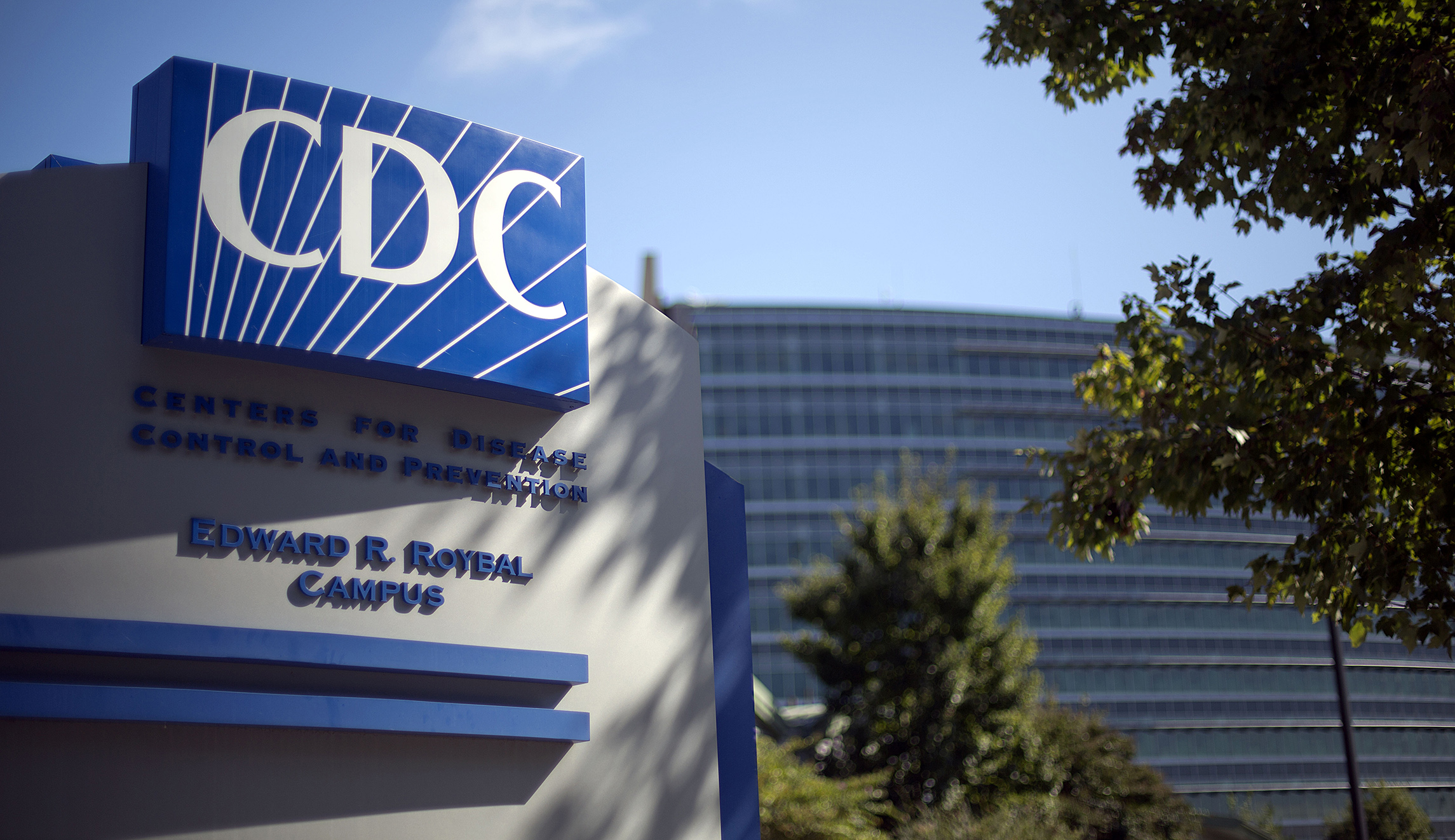
The Centers for Disease Control and Prevention met with a vaccine advisory panel Friday to outline possible changes to its COVID-19 vaccine schedule, including lengthening the time between when first and second doses of mRNA vaccines are given.
Surveillance data presented suggest there have been higher rates of heart inflammation among certain age groups, especially in young males.
Recommended Stories



“[The data] are fairly convincing that an extended interval is not only potentially safer from a myocarditis standpoint, but also potentially more effective,” said Dr. Grace Lee, advisory panel chairwoman and medical officer at the Lucile Packard Children’s Hospital, Stanford.
Research findings from Canada and England were presented suggesting that extended time periods between doses lowered rates of myocarditis and pericarditis, two forms of heart inflammation associated with mRNA vaccination. Data also suggested that the extended time increased vaccination effectiveness.
“The longer interval resulted in lower myocarditis rates, whereas the shorter interval had higher myocarditis and pericarditis rates,” said Dr. Bryna Warshawsky of the Public Health Agency of Canada.
NEW FREEDOM CONVOY CROWDFUNDING CAMPAIGN NETS $2 MILLION IN ONE DAY
The current vaccine schedule states that a second Pfizer dose is recommended at 21 days following the initial vaccine, while the second Moderna dose is recommended at 28 days after the first shot.
Dr. Walid Gellad, a professor of medicine from the University of Pittsburgh, listened to the presentation and said the discussion has been a long time coming.
“I have been talking about this for months, and always disappointed [Advisory Committee on Immunization Practices] would not discuss this,” Gellad tweeted. “It is so refreshing to hear this discussion happen now — something should have happened before, but glad happening now, no matter which way things go.”
I have been talking about this for months, and always disappointed ACIP would not discuss this.
It is so refreshing to hear this discussion happen now – something should have happened before, but glad happening now, no matter which way things go.https://t.co/ZQLaFgGA7l
— Walid Gellad, MD MPH (@walidgellad) February 4, 2022
The panel endorsed changing the interval between jabs to eight weeks. The CDC has not yet decided on whether to accept the recommendation and change policy.
If accepted, the change would also push back booster doses, which are currently recommended around five months after receiving a second dose.
The possible policy shift could also affect people who are reluctant to get vaccinated. Around 33 million in the United States between 12 and 39 alone remain unvaccinated.
CLICK HERE TO READ MORE FROM THE WASHINGTON EXAMINER
The CDC told the panel it is planning to change its vaccine guidance for people who are immunocompromised. Currently, those with compromised immune systems are recommended to get three doses of an mRNA vaccine within two months, and a fourth dose in five months. The change would move up the fourth dose to three months instead of five.
View the entire panel discussion here:
