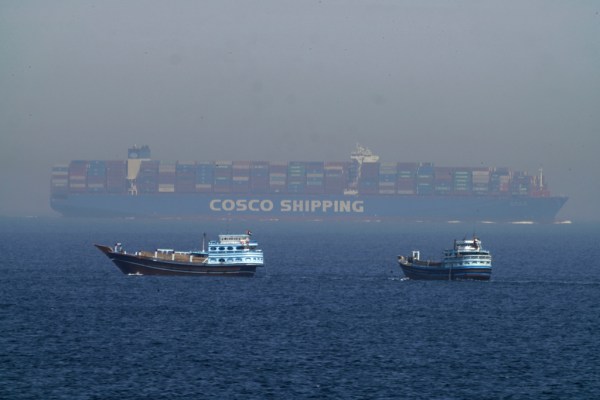
The American Petroleum Institute on Monday called on the Commerce Department to show deference to affected industry groups when it considers exemptions to President Trump’s 25 percent tariff on steel, just moments after Commerce issued guidance saying it would consider exemptions for products that are “unmet by domestic production or on specific national security considerations.”
“We support an exclusion process from the Department of Commerce that is both transparent and flexible,” API CEO Jack Gerard said. “We expect the department will acknowledge various market realities and take into consideration the complex supply chains of the U.S. oil and natural gas industry and the need for specialty steel not available domestically for many of its projects.”
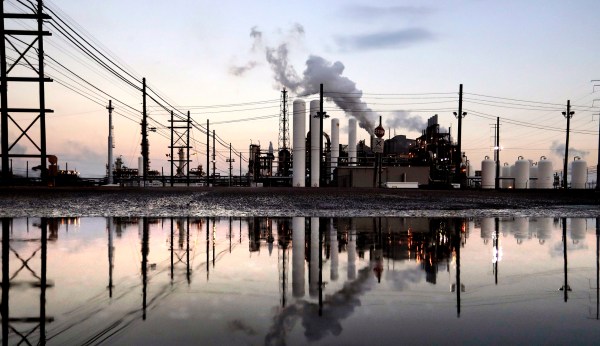
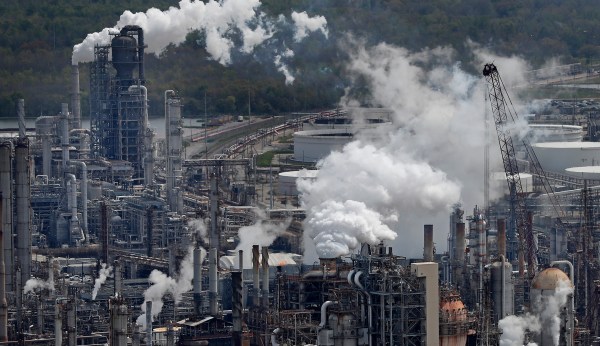
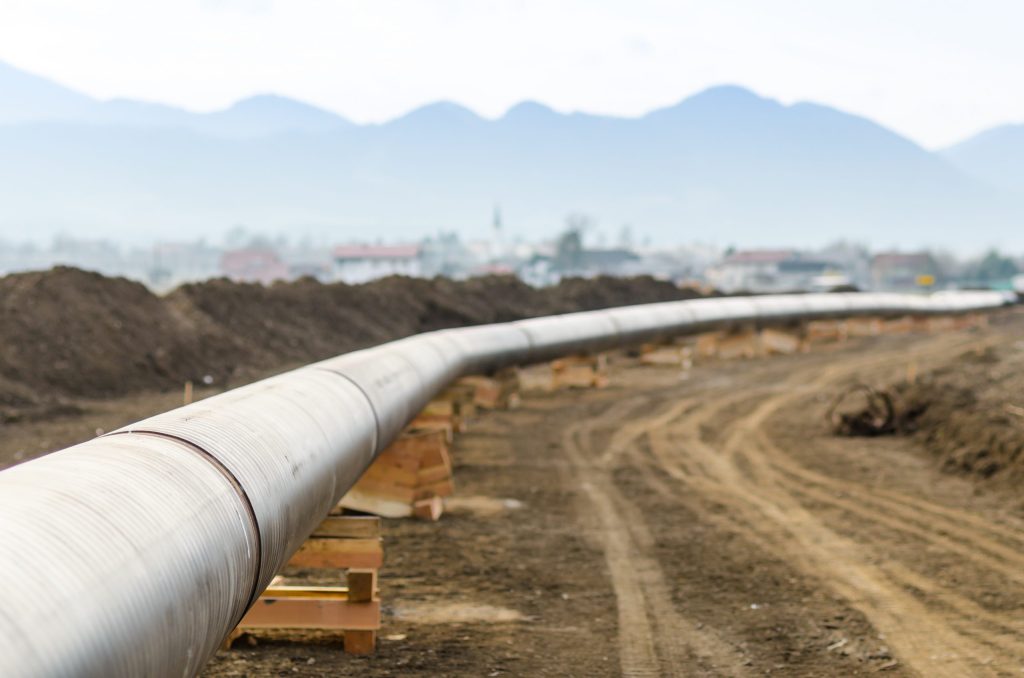
The oil and natural gas industry relies heavily on global steel imports, including steel for drilling, onshore and offshore production facilities, pipelines, liquefied natural gas terminals, refineries and petrochemical plants, Gerard said. Tariffs are paid by importers, and exemptions would allow importers to avoid passing the costs of those tariffs on to other companies that buy those products.
Industry officials say the type of steel used in pipelines and other energy infrastructure is a niche market, and most domestic steel producers have left the pipeline market because of its high cost. That could bode well for the industry based on the new guidance, which said steel products may not be hit by tariffs if they are “not produced in the United States in a sufficient and reasonably available amount.”
API, the largest trade group representing the oil and natural gas industries, organized a meeting Thursday at the White House, where industry officials pressed the White House on its trade policies.
Other energy industry groups, meanwhile, say they are worried about Commerce using a per-product evaluation process for a tariff exemption, rather than allowing an entire industry to seek an exclusion from paying more for overseas steel.
“We appreciate the Commerce Department’s commitment to review exclusion requests promptly,” Cathy Landry, a spokeswoman for the Interstate Natural Gas Association of America, told the Washington Examiner. “We are concerned, however, that failure to allow broader exclusions — and to instead require each company to apply for product-specific exclusions — could result in delays and uncertainty.”
Other groups have the same worry.
“If the application process is on a per-product basis, we’re fearful small- and medium-sized businesses will bear the brunt of the increased costs,” Neal Kirby, spokesman for the Independent Petroleum Association of America, which represents independent oil and natural gas producers, previously told the Washington Examiner. “Similar to additional government regulations, these businesses don’t have the resources or manpower to apply for a waiver for each imported steel and aluminum product they rely on.”
Commerce released its guidance on Monday in the form of an interim final rule.
“An exclusion will only be granted if an article is not produced in the United States in a sufficient and reasonably available amount, is not produced in the United States in a satisfactory quality, or for a specific national security consideration,” the Commerce Department said in its filing in the Federal Register.
Under the process, people or companies that use steel in their business or supply steel to users in the U.S. may apply for an exemption, Commerce said. But people and companies that oppose a proposed exclusion can also submit objections.
According to the guidance, Commerce Secretary Wilbur Ross can decide to give an exemption after consulting with other Cabinet secretaries.
The administration said applicants must make separate exemption requests for each product. An exclusion granted by the Commerce Department applies only to the applicant, unless the agency decides to approve a “broader application of the product-based exclusion to apply to additional importers.”
Commerce says it will decide on an exclusion request within 90 days.