

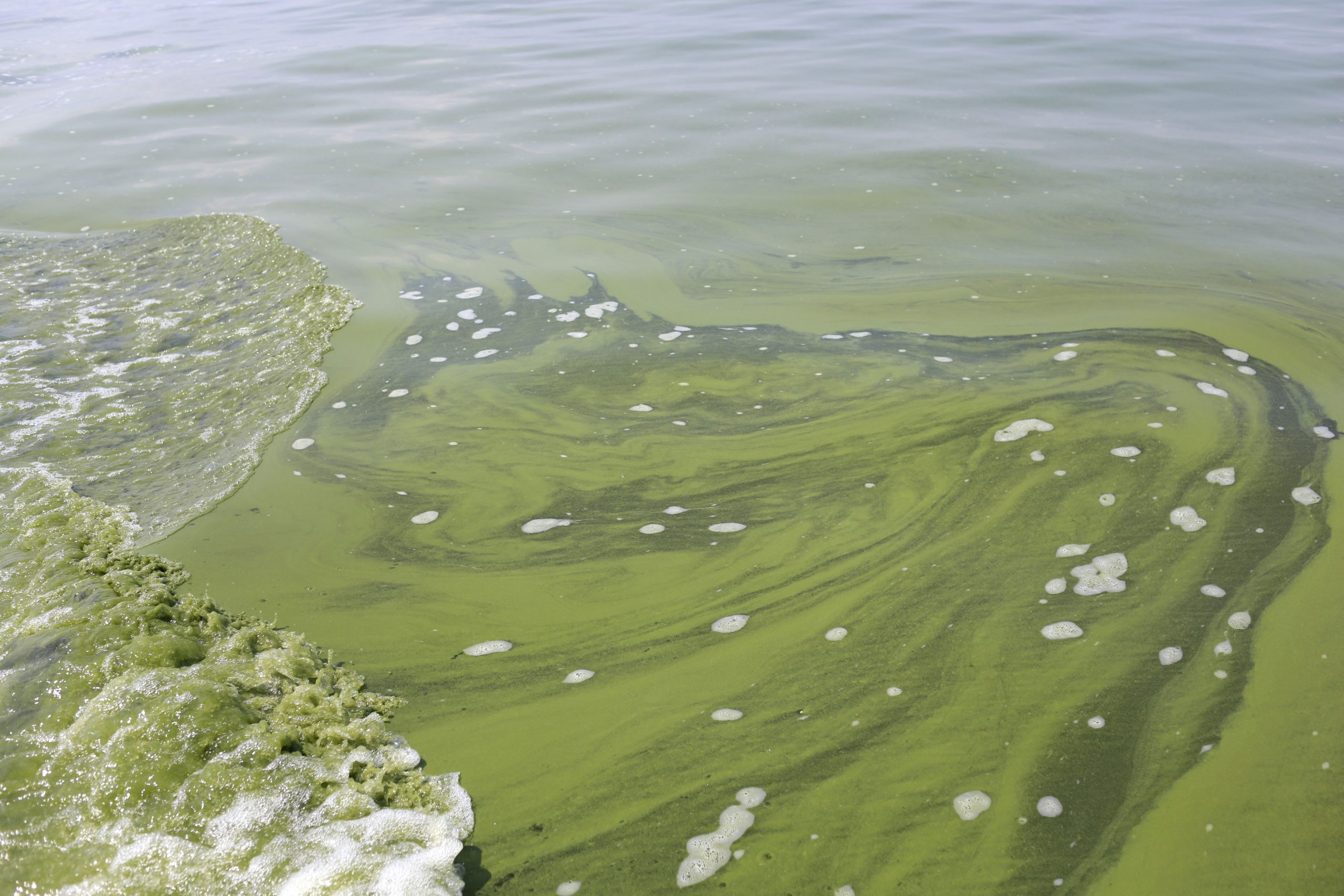
The Environmental Protection Agency teamed up with Canada Monday to cut phosphorus pollution in Lake Erie by 40 percent to minimize fish-killing “dead zones” and toxic algae blooms that caused a drinking water scare in Toledo, Ohio, two years ago.
“To protect public health, we must restore the Great Lakes for all those who depend on them,” said EPA Administrator Gina McCarthy. “The first step in our urgent work together to protect Lake Erie from toxic algae, harmful algal blooms, and other effects of nutrient runoff, is to establish these important phosphorus limits. But establishing these targets is not the end of our work together. We are already taking action to meet them.”
Recommended Stories


Phosphorus is primarily caused by the widespread use of fertilizer in agriculture.
Increased levels of the chemical can cause algae to multiply, which can cause deadly blooms that release harmful toxins that can get into drinking water, as was the case two years ago in Toledo.
The new targets will minimize the extent of low oxygen “dead zones” that result from algal blooms in the central basin of Lake Erie, the EPA said in a joint statement with Canadian Environment and Climate Change Minister Catherine McKenna.
The targets “will help maintain algae growth at a level consistent with healthy aquatic ecosystems” and reduce “algae biomass at levels that do not produce toxins that pose a threat to human or ecosystem health.”
