

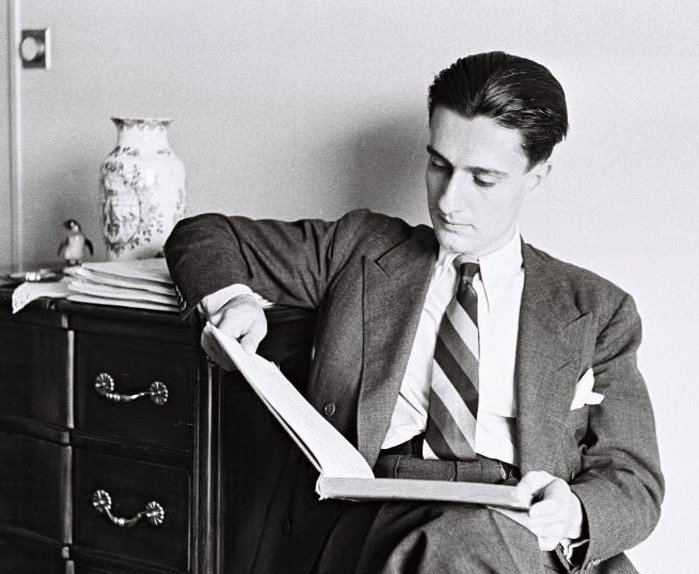
One of the greatest pianists who ever lived, Dinu Lipatti, was born 100 years ago yesterday, on March 19, 1917. Lipatti was a child prodigy, a virtuoso pianist and a Romanian who died at 33, just 15 years after his career began. Of course there are many child prodigies who become virtuoso pianists; a number of them have died young, and no doubt there are several who came from Romania. What sets Lipatti apart is that he gave the single greatest piano performance ever recorded.
In 1641, a virtuoso violinist named Johann Schop wrote a tune called “Werde munter, mein gemüte”—”be cheerful, my love.” Eighty years later, in 1723, Bach heard it, liked it, and rewrote it as his 32nd cantata, “Herz und mund und tat und leben”—”Heart and mouth and deed and life.” Herz und mund und tat und leben is famous for its final movement, one of the two or three most famous songs ever written, generally known by the English title, “Jesu, Joy of Man’s Desiring.”
Stay informed.Stay ahead.
Join Washington Examiner for unlimited access to the news, analysis, and commentary that matter most.
Already a member? Log in
