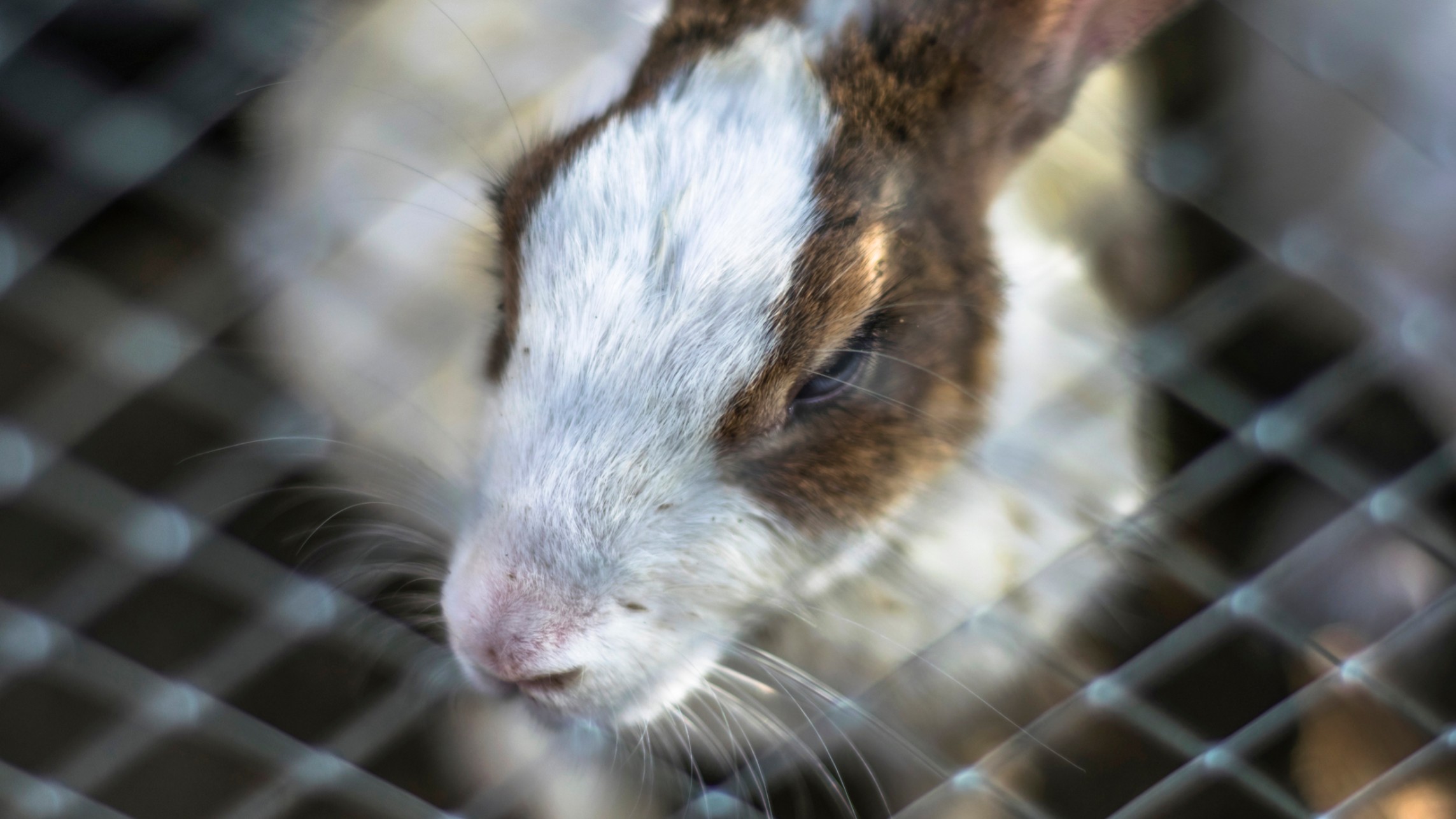
Americans are united against animal testing for cosmetics

The recent bicameral introduction of the new Humane Cosmetics Act by a bipartisan group of legislators, including Sens. Martha McSally of Arizona, Cory Booker of New Jersey, Rob Portman of Ohio, and Sheldon Whitehouse of Rhode Island, is a refreshing example of unity in an otherwise difficult political climate.

A September 2019 poll conducted by SurveyUSA reveals that when it comes to cosmetics, U.S. voters are all bunny-huggers and proud of it. Nearly eight in 10 respondents said that they would support a federal law that would prohibit animal testing for cosmetics. When broken down by self-reported party affiliation, 83% of Democrats, 72% of Republicans, and 80% of Independents support or strongly support such a law. And challenging the notion that this is a conservative vs. liberal issue, 71% of respondents who said they would support a federal ban identified as “very conservative.”

Likewise, the poll revealed that there is no generational divide: 76% of those aged 50-64 said they are against animal testing for cosmetics, followed by 75% of those 65 and over, 72% of 34- to 49-year-olds and 65% of those aged 18-34. This multigenerational and cross-party agreement shows an alignment of science, ethics, and economics, united to end what is now an outdated and unnecessary practice.

Seventy years ago, product testing was in its infancy, and these early safety tests relied on animals. It was in 1944 that Food and Drug Administration toxicologist Dr. John Henry Draize invented the now-infamous Draize tests to evaluate the safety of cosmetics, dripping substances into the eyes of restrained rabbits and rubbing them into their shaved backs. Not only are such tests gruesome, but they are expensive, and they’ve never been very good at predicting human response. Because anatomy and physiology vary among different species, reactions to products vary, too. Indeed, rabbits and other animals historically used in safety testing are notoriously poor predictors of human irritation and toxicity potential.

Animal tests have increasingly been replaced with quicker, cheaper, and more reliable non-animal methods. Product safety can now be done effectively and reliably using simple organisms such as bacteria, or tissues and cells from humans and sophisticated computer models or chemical methods as well as by using existing ingredients already established as safe for human use.

The European Union’s final prohibition on the sale of new animal-tested cosmetics came into effect in 2013. With six years of hindsight, we now can clearly see that, despite some dire predictions, Europeans still have a wide variety of safe and innovative cosmetics available to them. U.S. exports of cosmetics to the EU were not damaged — in fact, trade increased. Between 2010 and 2016, when EU laws restricting animal testing were phasing in, U.S. cosmetics exports to the EU rose by 46%.

Many countries, including Norway, Switzerland, India, Guatemala, New Zealand, Turkey, and Israel, have enacted laws similar to those of the EU. And in Canada and Brazil, legislation has moved or is moving through national legislatures. Individual states have also responded to this growing international trend with California, Nevada, and Illinois recently passing laws that restrict the sale of new animal-tested cosmetics, all of which go into effect in 2020. Multiple other states, including New York, Hawaii, Maryland, and Virginia, have seen cruelty-free cosmetics legislation introduced and debated. These state efforts have served as a catalyst to bring stakeholders to the table and helped inform a way forward for the national approach reflected in the new Humane Cosmetics Act. The bill represents a more polished version of past bills bearing the same name, informed in part by lessons learned from international regulations and individual state actions.

Cruelty Free International and The Body Shop know first-hand that progress is possible when companies, consumers, advocates, scientists, and lawmakers work together to find creative solutions to reach a common goal. It’s time for Congress to pass the Humane Cosmetics Act.

Jessie Macneil-Brown is global head of activism for The Body Shop, a global ethical beauty brand founded in 1976. Monica Engebretson is North American campaign manager for Cruelty Free International.

Related Content
