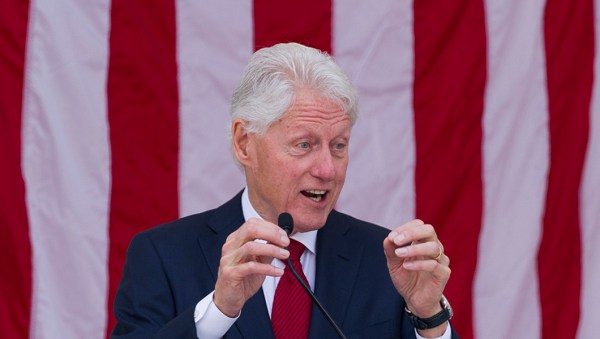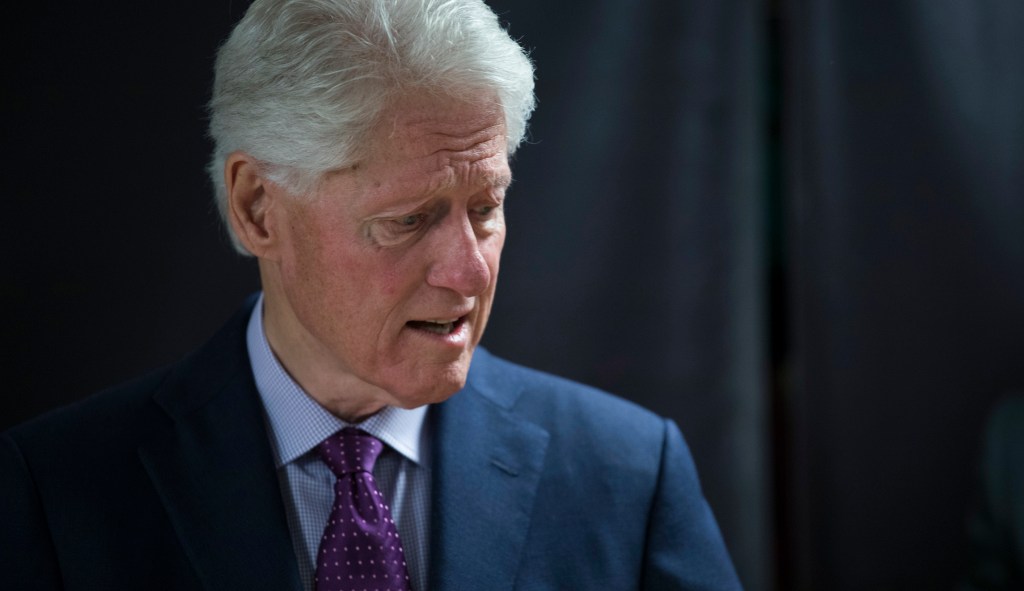
Pressed by NBC’s Craig Melvin to answer tough questions about his affair with Monica Lewinsky this week, Bill Clinton put up a tone deaf performance abound with smirks and deflections that was widely panned. But Melvin didn’t even broach the allegations of nonconsensual sexual misconduct women have leveled against Clinton over the years, enough to leave any #MeToo conversation with Bill Clinton incomplete.
Many in the media, of course, have given Clinton a pass for too long, so Melvin’s willingness to push the former president on Lewinsky, who was on the wrong end of a glaring power imbalance, was welcome and refreshing. But if you’re going to talk to Bill Clinton about #MeToo, the allegations of rape and assault are not an optional part of that conversation.
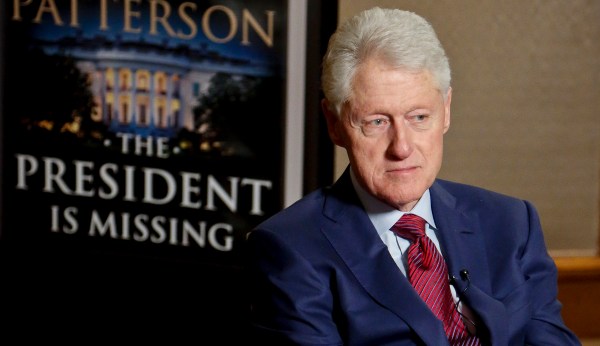
Juanita Broaddrick claims Clinton, then the attorney general of Arkansas, raped her in a Little Rock hotel room four decades ago. “There was no remorse,” Broaddrick told Buzzfeed in 2016. “He acted like it was an everyday occurrence. He was not the least bit apologetic. It was just unreal.” (Last November, at the height of #MeToo, Michelle Goldberg penned a viral column for the New York Times headlined, “I Believe Juanita.”) Then there’s Kathleen Willey and Paula Jones. Willey claimed Clinton groped her breasts and placed her hand on his genitals during an Oval Office meeting in 1993. Jones accused Clinton of exposing himself to her in a hotel room in 1991.
At the heart of the Clinton allegations is the very kind of abusive power dynamic #MeToo has tackled, which is why the 42nd president’s name has surfaced so many times since the movement sprang forth last fall. Melvin deserves credit for pressing Clinton on his relationship with Lewinsky, which is salient in the context of #MeToo. But it’s the media’s job to hold powerful people accountable, confronting our leaders with the toughest questions imaginable, and Lewinsky, sadly, is only one part of the story when it comes to Bill Clinton’s alleged mistreatment of women.