Arizona shows why nonpartisan redistricting panels are bunk

People don’t seem to be reacting too negatively to the Supreme Court’s liberal wing deciding that Arizona’s nonpartisan redistricting panel can stand. Voters established the panel by referendum in 2000, after all, under a state constitution that delegates legislative power to the people through the referendum process.

As for the panel, that’s another matter entirely. In an age when partisan redistricting is blamed for uncompetitive elections, a lack of official accountability, extremism and political rancor, nonpartisan panels are widely praised and frequently promoted as the best way of returning fairness to redistricting. Arizona serves as a nice demonstration that this is all bunk.

RELATED: Supreme Court says independent commissions can draw congressional districts

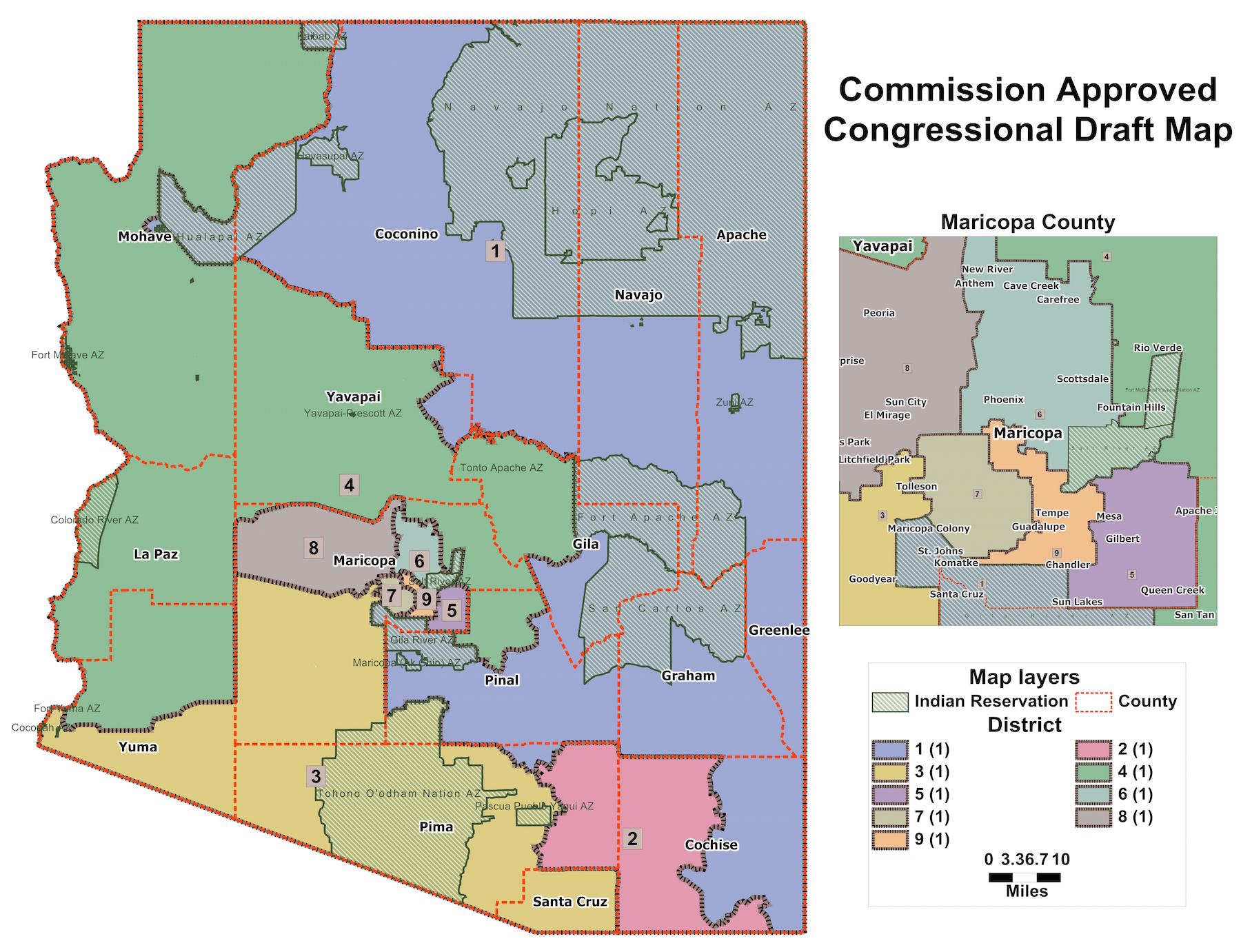
Arizona’s “nonpartisan” panel produced one of the worst partisan gerrymanders in America today — Democrats could not have drawn a more favorable map for themselves if they’d actually controlled the state legislature and drawn it themselves to maximize their potential outcomes.

Just look at the results for House for the winning Republicans in Arizona in 2014. There was one fair-fight seat — the eighth district, which was 50-50. The other Republican winners got 70 percent, 76 percent, 65 percent, 70 percent.

Meanwhile, one Democrat (in Metro Phoenix) got 75 percent, and the rest won with 53 percent, 56 percent, and 55 percent, against opponents of varying quality. And of course, former Democratic Rep. Ron Barber was on the losing end of that 50-50.

This suggests an effort to pack Republican voters into as few districts as is geometrically and geographically possible, in order to maximize Democratic potential in the state. In short, the nonpartisan redistricting panel drew a partisan Democratic gerrymander. So look out when good-government reformers come to town promising to fix the system with a nonpartisan panel.

Related Content
