

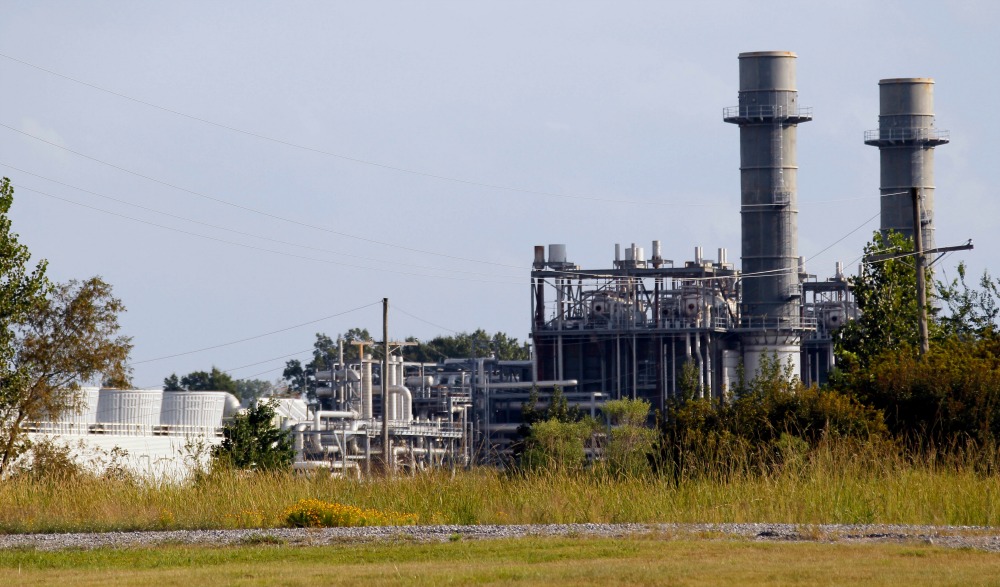
Carbon dioxide emissions continue to fall in the United States due to a switch from coal to natural gas derived from shale, the federal government reported Monday.
The Energy Information Administration, the Energy Department’s independent analysis arm, looked at what’s behind the recent declines in greenhouse gases, despite growing demand for electricity.
Recommended Stories


One of the major factors is the switch from coal-based electricity to highly efficient gas-fired power plants. “Overall, the fuel-use changes in the power sector have accounted for 68 percent of the total energy-related [carbon emissions] reductions from 2005-15,” the agency reported.
“Energy-related [carbon dioxide] emissions can be reduced by consuming less petroleum, coal and natural gas, or by switching from more carbon-intensive fuels to less carbon-intensive fuels,” it said. “Many of the changes in energy-related [carbon dioxide] emissions in recent history have occurred in the electric power sector because of the decreased use of coal and the increased use of natural gas for electricity generation.”
The agency also says more natural gas use by residential and commercial end-users has also brought down emissions, along with increased efficiency.
In 2015, above-average temperatures during the fall and winter months also cut emissions by lowering demand for electricity and fossil fuels for heating, it reported.
The economy also accounts for lower emissions, it explained. “The largest annual decline in energy-related CO2 emissions in the past decade occurred in 2008–09 during the recession,” it said. But the U.S. economy has grown since then, and emissions have continued to fall.
“Adjusted for inflation, the economy in 2015 was 15 percent larger than it was in 2005, but the U.S. energy intensities and carbon intensities have both declined,” it says. “On a per-dollar of gross domestic product (GDP) basis, in 2015, the United States used 15 percent less energy per unit of GDP and produced 23 percent fewer energy-related CO2 emissions per unit of GDP, compared with the energy and emissions per dollar of GDP in 2005.”
