

U.S. and Iranian officials are ruling out a further extension of an interim agreement on Iran’s nuclear program.
Recent public statements by high-level officials from both nations increase the pressure on negotiators to get a deal that will pass muster from lawmakers in both countries by a self-imposed March deadline, leading to a final agreement by June 30.
Recommended Stories


“If we’re not able to make the fundamental decisions that have to be made over the course of the next weeks, literally, I think it would be impossible to extend,” Secretary of State John Kerry told NBC’s Meet the Press in an interview broadcast Sunday.
“I don’t think we would want to extend at that point. Either you make the decisions to prove your program is a peaceful one, or if you’re unable to do that, it may tell a story that none of us want to hear.”
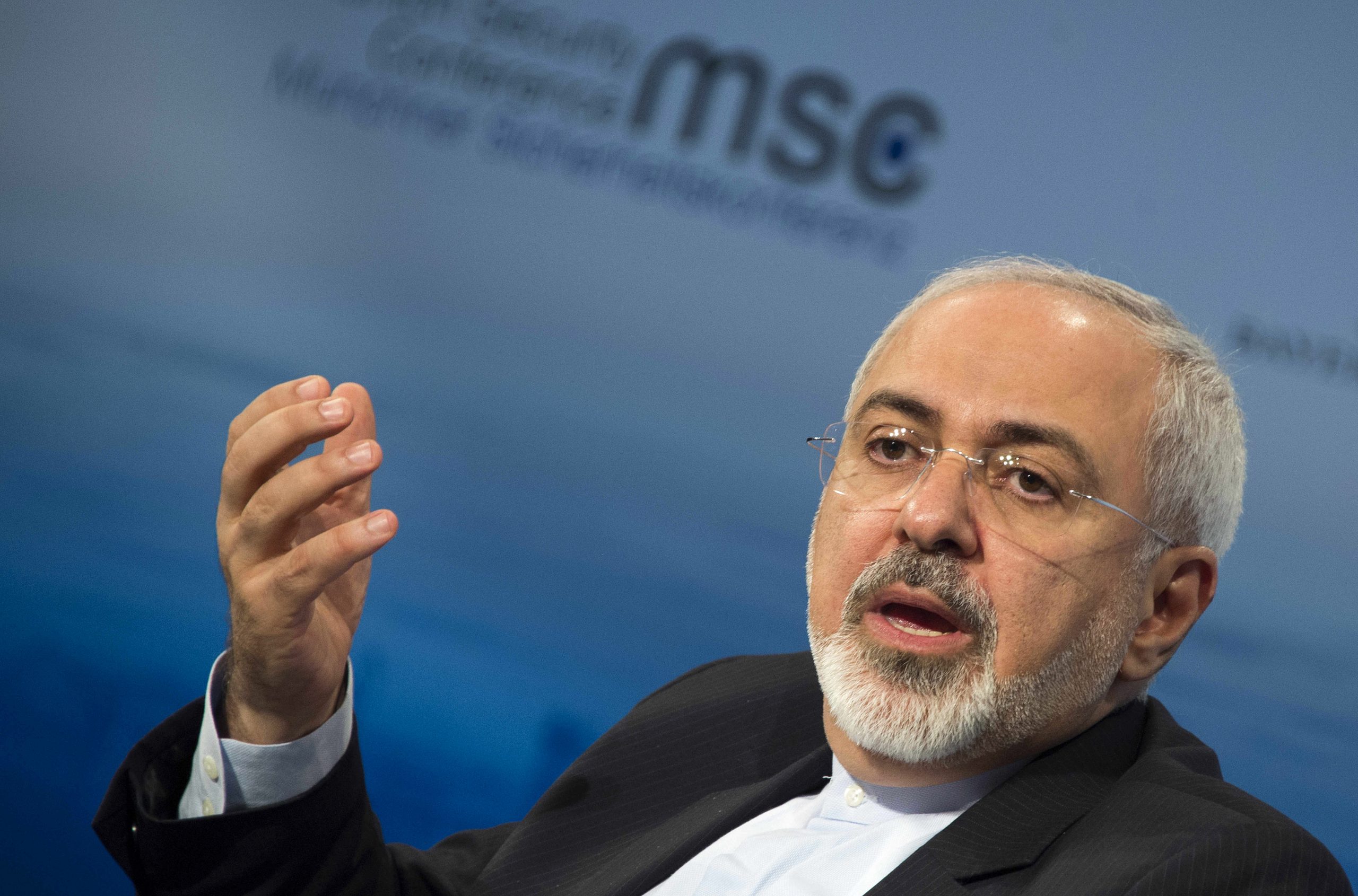
Iranian Foreign Minister Mohammad Javad Zarif echoed those comments in a speech Sunday to the Munich Security Conference, saying: “This is the opportunity to do it. We need to seize this opportunity. It may not be repeated.”
Aside from the pressure to replace a November 2013 agreement that was only supposed to last six months with a permanent deal to limit Iran’s nuclear program, negotiators from the “P5+1” group — the U.S., Britain, France, Germany, Russia and China — must also contend with concerns in both Washington and Tehran about the details of a possible deal.
Supporters of new sanctions legislation pending in Congress have agreed to hold off on a vote until after the March 24 deadline for a framework agreement to give negotiators time to work, but have warned they would not accept a deal which does not prevent Iran from developing a nuclear weapon.
And Iran’s parliament has moved to accelerate the pace of nuclear enrichment in response to any move toward new sanctions in Washington.
Iran’s supreme leader, Ayatollah Ali Khamenei, ratcheted up the pressure Sunday in a speech to air force commanders, saying he wants both a framework for a deal and the details worked out at the same time.
He later tweeted: “US keeps saying that no deal is better than a bad deal; we agree. No deal is better than a deal that’s against our nation’s interests.”
