

In the span of a week, the nation has shut down, with millions of businesses closing up shop and a growing number of workers stuck wondering when they’ll receive their next paycheck. For now, a national quarantine is necessary. President Trump bought the nation about a month to prepare with his China travel ban; the federal bureaucracy squandered it, failing to develop adequate testing and tying the hands of health professionals trying to venture on their own.
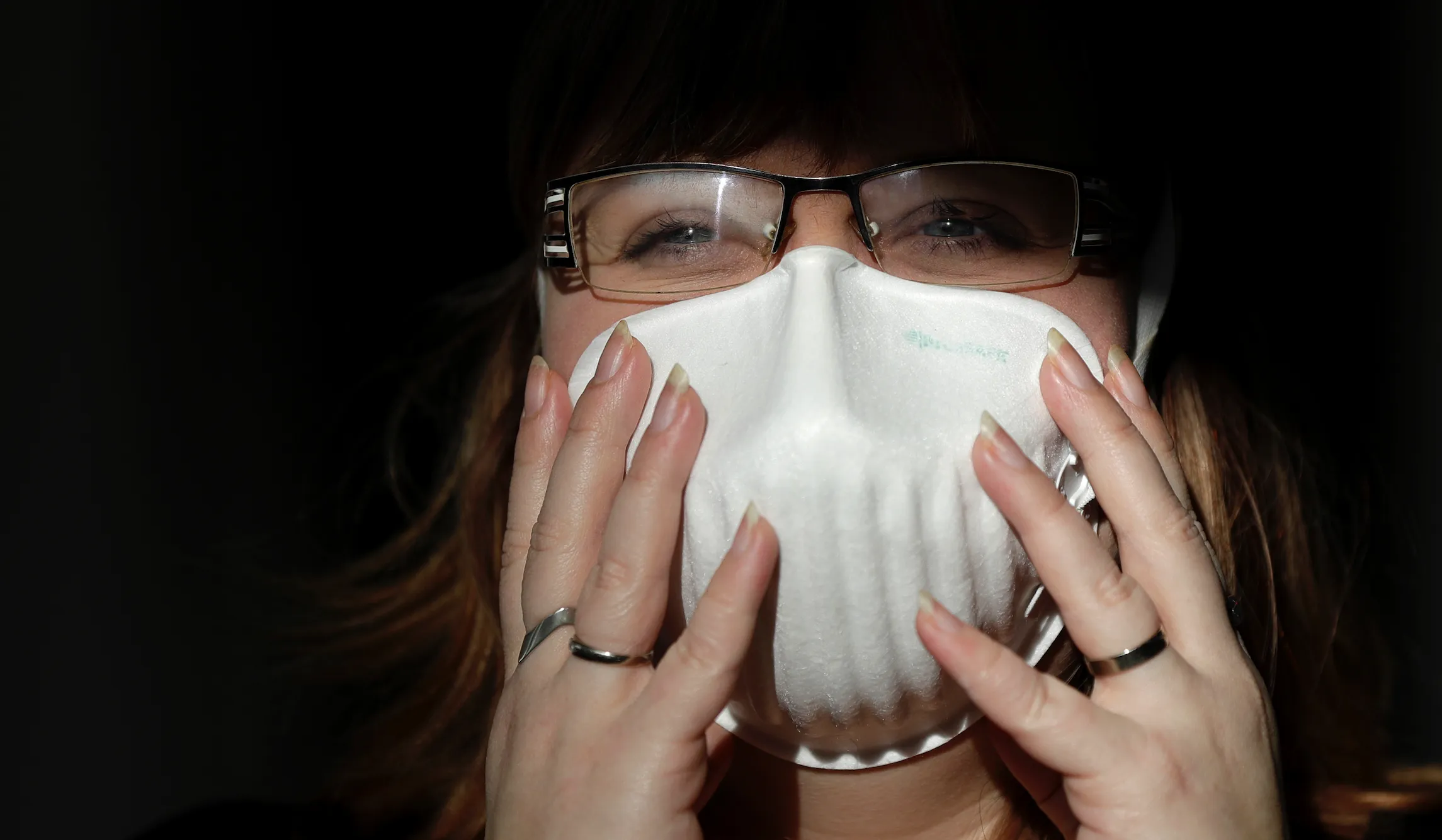
But recent days, however dour they’ve been, have provided promise. Although our coronavirus testing has lagged woefully behind the rest of the developed world, the numbers have steadily increased, with New York Gov. Andrew Cuomo leading the way by securing 16,000 tests daily. Even more remarkable, 3M announced that they’ve ramped up production of vital N95 respirator masks to 100 million per month globally, 35 million of which are produced domestically. Meanwhile, the public has proved remarkably resilient, mostly obeying shelter-in-place orders and practicing social distancing.
Recommended Stories


The coronavirus panic now isn’t just about the pandemic itself but the economic destruction it will cause. Goldman Sachs now predicts that the economy will shrink by nearly a quarter from April through June of this year. Morgan Stanley estimates it will contract by 30%. There’s no question that a depression lies ahead, but it may be less apocalyptic than financial assessments currently guess.
There is a world of steps between our current national shutdown and going back to life as before. Using other nations as a blueprint, it’s increasingly clear that we can find a balance without blowing up our healthcare capacity.
Things might stay like this for another month. Quarantining will help determine who has been carrying the virus, and that will help determine who needs testing. As the weeks go on, our redirection of resources may allow civilians to acquire enough medical-grade masks to resume business — not as normal, but at least enough to let a decent segment of the economy start up again.
South Korea and Japan ameliorated their coronavirus outbreak with ample testing, but research now provides further insight as to why they’re back in business. The National Institutes of Health found that just half of the population wearing face masks resulted in half the prevalence of influenza, and 80% of the population wearing masks “essentially eliminated the influenza outbreak.” Coronavirus is nearly twice as infectious as the seasonal flu, but these numbers still prove a solid point: The use of masks would liberate asymptomatic people to leave their homes and conduct a great deal of their ordinary business with much lower risk.
In three months, your favorite nightclub may not be open, and your local schools certainly won’t. But, with enough masks and testing distribution, your hair salons and bank branches could be back in action. Even restaurants and movie theaters could reopen, albeit with new occupancy rules allowing greater distancing regulations.
It’s hard to see the other side of the tunnel, but it’s simply untenable to believe that the nation will continue a total quarantine into the summer. Sure, workers who can work at home will likely remain out of the office, but only so as to reduce the risks of those who have to work on location.
So, no, we won’t be going back to the way things were before any time soon, but things also won’t stay this bad for long.
