
Everyone who is anyone in the 2016 presidential race is attacking Marco Rubio.
The Floridian isn’t leading in any of the most-watched GOP primary polls — national, Iowa, New Hampshire or South Carolina. Yet with first votes less than six weeks away, he is being treated almost as if he is the front-runner. Almost daily, Rubio is taking fire from Republican rivals and their super PACs, critics in the conservative, liberal and mainstream media, and the Democrats — multidirectional hits that neither Donald Trump nor Hillary Clinton are being subjected to.
Recommended Stories

“Rubio is the biggest threat to every major candidate in both parties,” said Jim Dornan, a Republican consultant in Washington who is not aligned with any candidate. “His campaign’s challenge is to not let these attacks throw them off their game plan.”
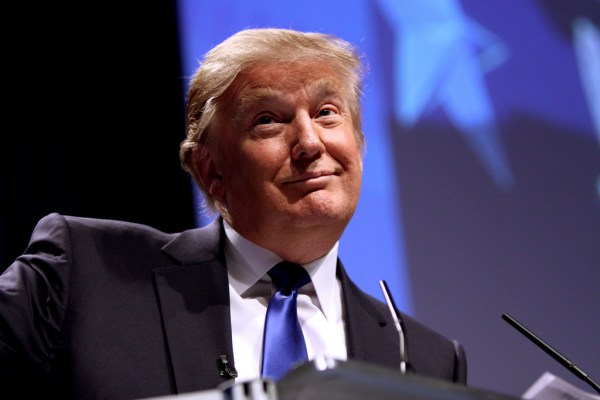
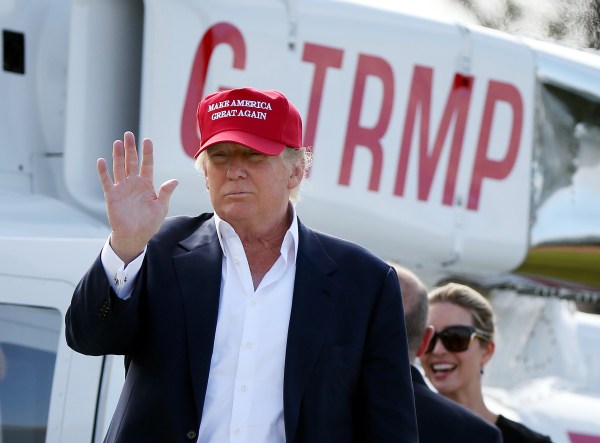
Trump, the celebrity businessman from New York, leads the national GOP primary polls, with Sen. Ted Cruz of Texas surpassing him in Iowa and gaining on him in South Carolina. Rubio is running third in all three categories of survey, and second in New Hampshire, according to the polling averages, although Cruz and New Jersey Gov. Chris Christie are nipping at his heels in the Granite State. But no candidate has been forced to run the gantlet like Rubio.
RCP Poll Average for Marco Rubio InsideGov
Particularly since the Dec. 15 televised debate in Las Vegas, Rubio has dodged jabs from Cruz, Christie, Trump, and Sen. Rand Paul of Kentucky. He’s navigated attacks from Right to Rise USA, the super PAC backing former Florida Gov. Jeb Bush, and Keep the Promise I, a super PAC supporting Cruz. Rubio was the subject of two critical front-page stories in the Washington Post, and absorbed blows from conservative talk radio hosts who prefer Cruz and Trump.
That’s just a sampling of the flack he’s taken from the media and from within his own party. It doesn’t even account for the hits coming from the left. The Rubio campaign said Tuesday that it wasn’t surprised that the senator’s opponents are piling on, and expressed confidence that he was was prepared to handle it.
“Obviously the other Republican candidates have seen Marco do great in the debates. And the media and Democrats know that Marco would be very tough to beat in a general election,” Rubio campaign spokesman Alex Conant said. “While we’re happy to compare Marco’s positions with our opponents’, we’re focused on running a positive campaign focused on Marco’s agenda for a new American century.”
It’s a testament to the strength of Rubio’s potential.
The first-term senator and former Florida state house speaker, 44, can’t be pigeonholed into any one faction of the Republican voting coalition, and appeals to most of them. Probably no other Republican could unite the party in a general election against Clinton, 68, the likely Democratic nominee, or pull extra votes from traditional Democratic constituencies like Hispanics and younger voters, as much as Rubio, a fluent Spanish speaker of Cuban descent, could, according to polling data.
In the RealClearPolitics average of hypothetical matchups between Rubio and Clinton, he leads her by 1.5 percentage points, 46.2 percent to 44.7 percent. Rubio is the only top tier GOP candidate beating Clinton head-to-head.
Turning all of this potential into results, and advancing in the polls between now and Feb. 1, when Iowa holds first votes, is Rubio’s challenge, especially because no other Republican is facing a similar pressure. Rubio has to deflect attacks and counterpunch without losing command of the narrative of his campaign is all about, looking defensive, and being knocked off message of why he is running and what he would do if elected president.
“What’s most important is that you demonstrate not only to your opponents, but to the media and to voters, that you have the ability to fight through it all,” said Kevin Madden, a Republican strategist in Washington who dealt with similar challenges four years as an adviser to eventual GOP nominee Mitt Romney. “Your message has to resonate.”
The threat of this full court press to cause Rubio problems shouldn’t be underestimated, even for a candidate with his charisma and communication skills.
Generally the master of the first four prime time GOP debates, the fifth in the series, cablecast Dec. 15 by CNN, wasn’t Rubio’s best performance. He was the only candidate on stage to field attacks from multiple opponents, not to mention challenging questions from the debate moderators. Any other candidate might have been thrilled to escape with Rubio’s performance. But Rubio didn’t look in control the way he had in previous debates.
Cruz, who only had to fend off attacks from Rubio, did. That could explain why a Quinnipiac University poll conducted last week found that 40 percent of Republican voters who watched or listened to the debate said Cruz did the best job, regardless of whether they are supporting him for the nomination. Trump was rated as having done the best job by 20 percent; Rubio by 12 percent and Christie by 11 percent.
The Republicans debate twice next month; the second meeting is set for Des Moines on Jan. 28, just four days before the Iowa caucuses.
Rubio allies recognize the dangers that lie ahead for him, but continue to feel good about his prospects. They expect him to draw fire from multiple directions for the duration of the campaign given that he appears to stand in everyone’s way, whether they be Bush and Christie in the so-called establishment faction of the party, or, in the conservative wing, Cruz. The key, his supporters say, is not to get blown off course or distracted him from his message.
So far, Rubio partisans and neutral Republican strategists say that he’s handled the political firing squad well, demonstrating the kind of discipline, temperament and poise in dealing with attacks that are necessary to maneuver in this tough environment. “Rubio has a very even-tempered affect, which is a great strength here,” said GOP strategist Stuart Stevens.