Rich-state Democrats think you’re a ‘moocher’ if you’re poor

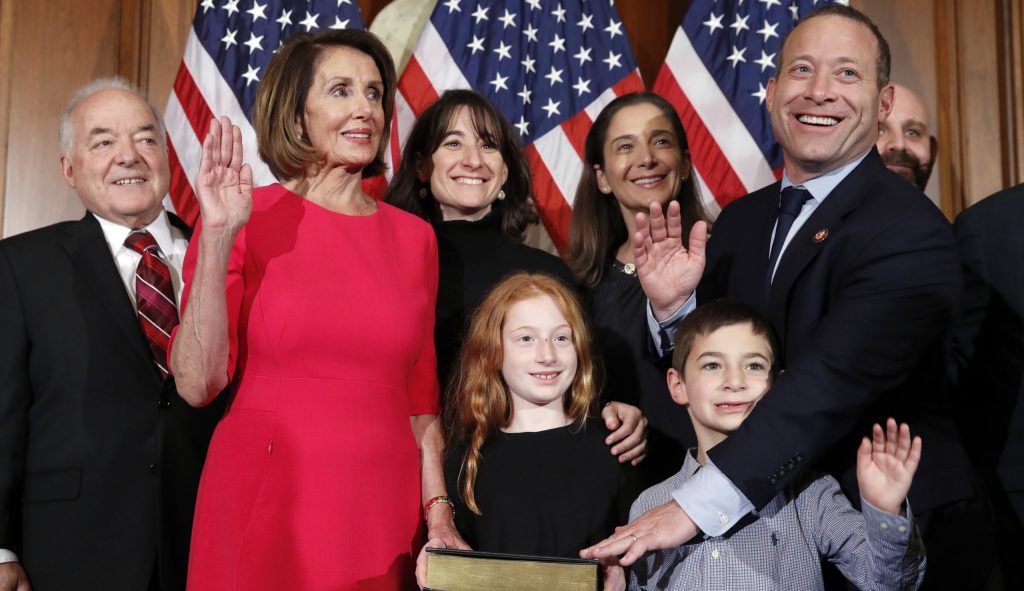
Josh Gottheimer represents the 13th-wealthiest Congressional district in the country. Commuting distance from Wall Street, Gottheimer’s New Jersey district has a median household income above $110,000, according to the U.S. census.

That makes it understandable that his priority in the Democrats’ massive tax-and-spend bill is a tax cut that goes almost entirely to rich people. What’s baffling is Gottheimer’s yearslong campaign to demonize poor people as moochers and attack the states that allow poor people to live there.

Gottheimer’s comments Tuesday were just the latest of the genre. He even introduced a bill he called the “anti-moocher bill” that would punish states for having too few high earners and too many poor people.

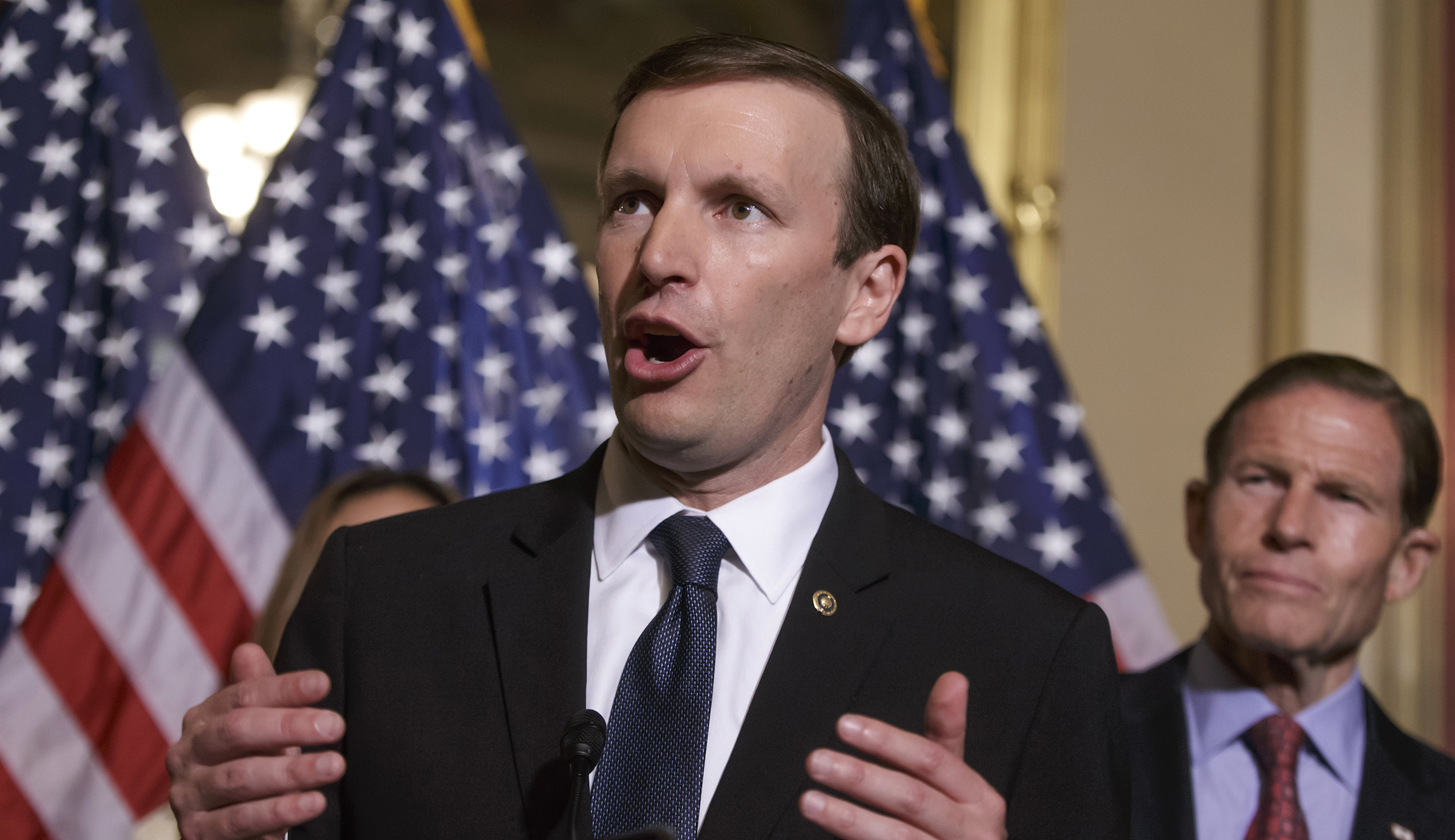
In this crusade against poor people, Gottheimer has plenty of fellow Democratic allies, such as Connecticut Sen. Chris Murphy, who last year made it clear that he really hated states without a bunch of rich bankers.

Murphy and Gottheimer, by talking about “moocher” states, try to pretend this has to do with state governments as if those billions they cite in their charts and tweets are transfers between state governments and the federal government.

But they’re not. What Murphy, Gottheimer, and other anti-“moocher” Democrats are counting is the flow of cash between individuals and the U.S. government. The money flowing from New Jersey to Washington is income taxes. The money flowing from Washington to New Jersey is overwhelmingly benefit payments, such as Social Security, Medicare, Medicaid, food stamps, or other aid.

The IRS collected about $11.3 billion in income, payroll, excise, and other taxes from the people of Mississippi in 2019, or $3,788 per capita. From New Jersey, it was $140 million, or $15,791 per capita.

So why would New Jersey pay more in federal taxes per capita than Mississippi? Because New Jersey has more very high earners, and the U.S. tax code (despite what you may have heard) imposes a very large portion of the tax burden on very high earners.

In New Jersey, about 10.8% earn more than $200,000. In Mississippi, only 2.3% earn more than $200,000. So that explains the difference in federal revenues per capita between New Jersey and Mississippi. It’s not that Mississippi’s government is being stingy in some way — it’s that Mississippi just doesn’t have as many high earners.

Now consider the other side of the ledger. The Social Security Administration sends $64.8 million a year to individuals in Mississippi, and $102 million to individuals in New Jersey. Per capita, Mississippi is getting $21.77 from SSA, while New Jersey is getting only $11.58 per capita. Why? Because Mississippi has more old people and more poor people.

So when Democrats from rich states, such as Josh Gottheimer and Chris Murphy, attack “moocher” states, they are attacking poor people for being poor and everyone else in that state for not being really rich.

And that’s by design. New Jersey is the least free state by some measures on real estate. These regulations are barriers to entry that keep out poor people. If New Jersey wants a more equitable balance of payments, it could loosen its regulations, aggressively expand affordable housing, and thus have more poor people.

Finally, there’s the irony of Gottheimer calling poorer low-tax states “moochers” while he lobbies to expand federal subsidies to rich high-tax states. That’s what the state-and-local tax deduction is: a federal subsidy to high-tax states.

Related Content