

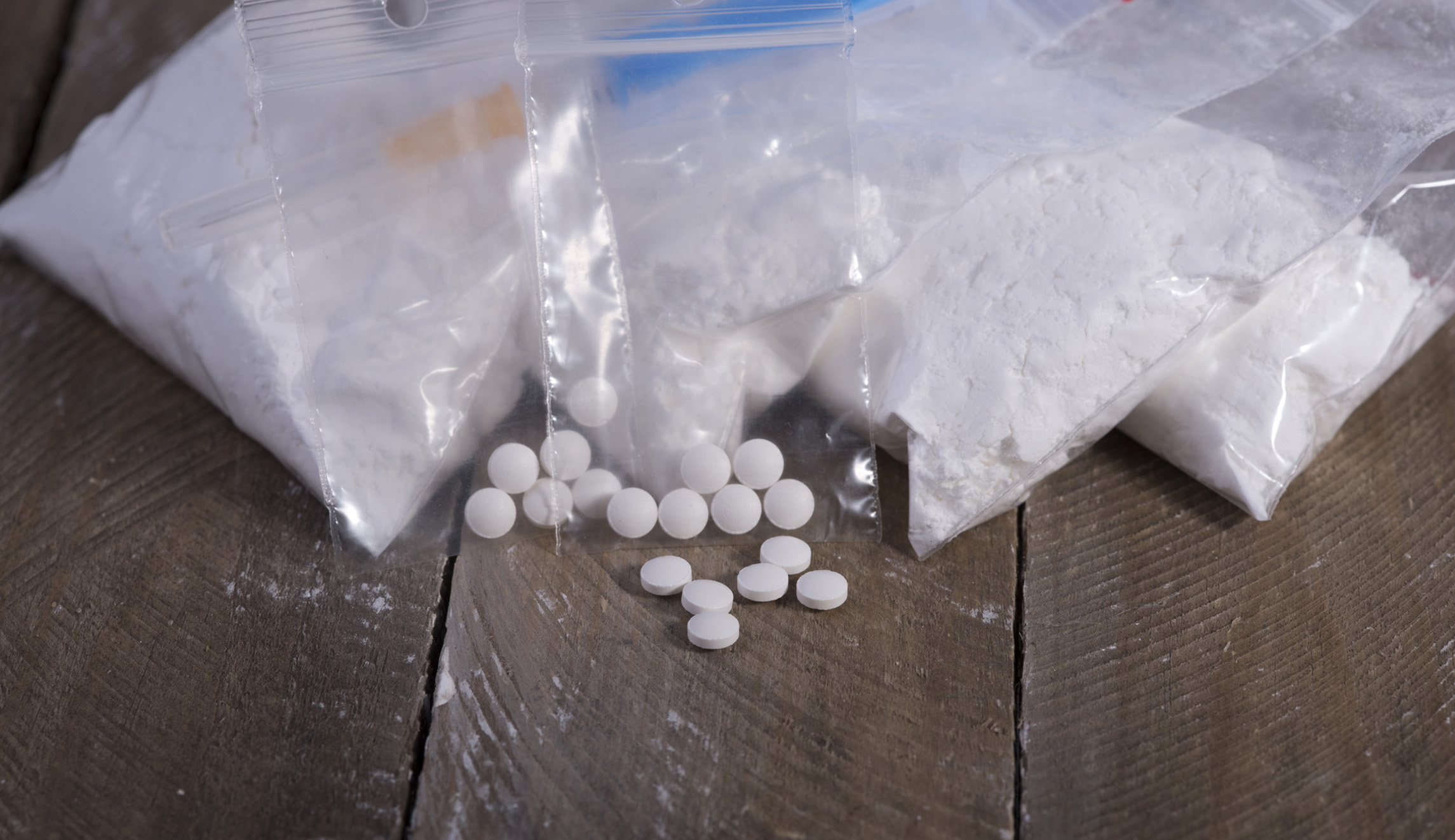
A new partnership in Maryland is aimed at bringing awareness about illicit drugs and preventing fatal overdoses, the state’s lieutenant governor announced.
Lt. Gov. Boyd Rutherford announced the Rapid Analysis of Drugs (RAD) program Monday morning, a new initiative bringing together the Maryland State Police, the Maryland Department of Health and the National Institute of Standards and Technology.
Recommended Stories


“Collaborations at the nexus of public health and public safety are critical to preventing drug overdoses and deaths,” Rutherford said in the release. “This is important work – especially given the increased intentional and unintentional use of fentanyl, which accounted for nearly 93% of all opioid-related deaths and 83% of all fatal overdoses in the first six months of the year.”
The program will allow the organizations to “identify dangerous illicit drugs and better understand the overdose risk to individuals living with substance abuse disorders,” according to the release.
RAD will aid law enforcement officials to test heroin, drug paraphernalia, prescription opioids, and fentanyl “collected by law enforcement and harm reduction programs to identify the composition and potency of those drug samples,” the release reads.
“The Rapid Analysis of Drugs program provides Maryland with an opportunity to substantially increase its ability to monitor the drug supply in the state,” Secretary Dennis Schrader of MDH said in the release. “The information provided by the program will help us to communicate the dangers of these drugs even more effectively and ultimately save more lives.”
Officials hope the new program “will improve law enforcement agencies’ understanding of the drug market and ability to work with harm reduction programs to educate individuals who use drugs to stay safe,” according to the release.
The program will utilize a Direct Analysis in Real Time (DART) Mass Spectrometer “which details the contest of the drugs within minutes,” according to the release.
“For police, there is no other drug detection test available in the field to provide almost instantaneous results with such high accuracy rates. The immediate feedback to the criminal investigators is invaluable,” said Col. Woodrow W. “Jerry” Jones III, superintendent of the state police in the release. “The innovative instrument also allows for enhanced collaboration with public health organizations.”
The Opioid Operational Command Center, in conjunction with the state’s Department of Health, announced 1,358 confirmed unintentional overdose deaths in the state in the first six months of 2020, seven more than the same period in 2020. Opioids, the release reads, accounted for 1,217 of those deaths.
