Pristina, Kosovo
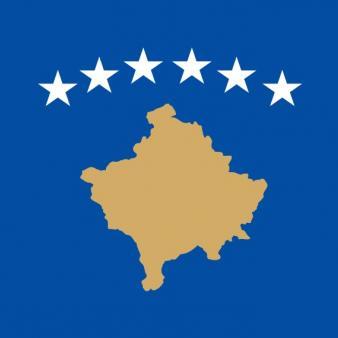
WHILE THE WORLD REACTS in horror to the atrocities in Mumbai, Balkan Muslims and Albanians (the latter both Muslim and Christian) understandably have their eyes on an older but equally feral enemy: Russian imperialism, acting through its Serbian pawn. Kosovar Albanians, in particular, are anxious about the future, repeatedly asking me, during a visit at the end of November, what President Barack Obama would do if Serbia, encouraged by Vladimir Putin, makes an armed attempt to regain full control over Kosovo. One can offer them little comfort, especially since the efforts of the Bush administration to reintroduce the entry of Georgia and Ukraine into NATO have been met by indignant repudiation by our European allies — with the Germans in the forefront of the reaction.
The problem of Serbian intentions is present in Bosnia-Herzegovina no less than in Kosovo. The Dayton Accords of 1995, which Democrats tend to acclaim as a great diplomatic achievement, left almost half of Bosnia in the hands of the mafia statelet known as the “Republic of Srpska” or “R.S.” International legitimization of this enclave, rather than recognition of the independent Kosovo Republic last February, provided the precedent for Russia’s theft of Abkhazia and South Ossetia from the Georgians. A united Bosnia-Herzegovina with a Muslim plurality, a single Kosovo with an overwhelming Albanian majority, are based in historical and cultural realities and recognized continuities. By contrast, the so-called “R.S.,’ Abkhazia, South Ossetia, and the looming inevitability of a system of special Serbian zones in Kosovo represent mere enclaves, erected to satisfy the aggressive demands of unfriendly neighbors.