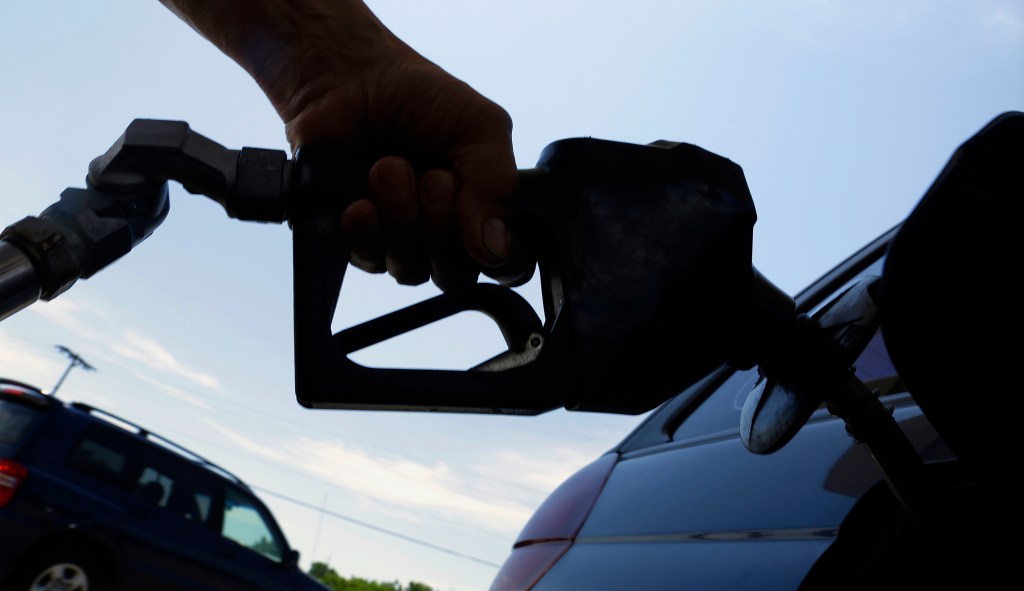
The Trump administration’s recently proposed revisions to fuel economy standards leave current fleet standards in place, but end future increases and close off California’s ability to establish its own, higher fuel-efficiency mandates. The proposed changes could mark the beginning of the end for the peculiar, yet well-intentioned policy of fuel-economy-by-government mandate. Note that I merely say “the beginning of the end,” because it could take years and ultimately Supreme Court decisions to foreclose the nation’s dependence on the current regulatory plan.
The regulatory juggernaut began in 1975, in the wake of a powerfully disturbing Arab oil embargo. Not long after the 1973-74 embargo hit, the U.S. imposed fuel efficiency standards and simultaneously froze fuel prices. Regulators were, in a sense, attempting to mandate the kinds of cars and trucks consumers would have to buy if gas prices continued their meteoric rise.